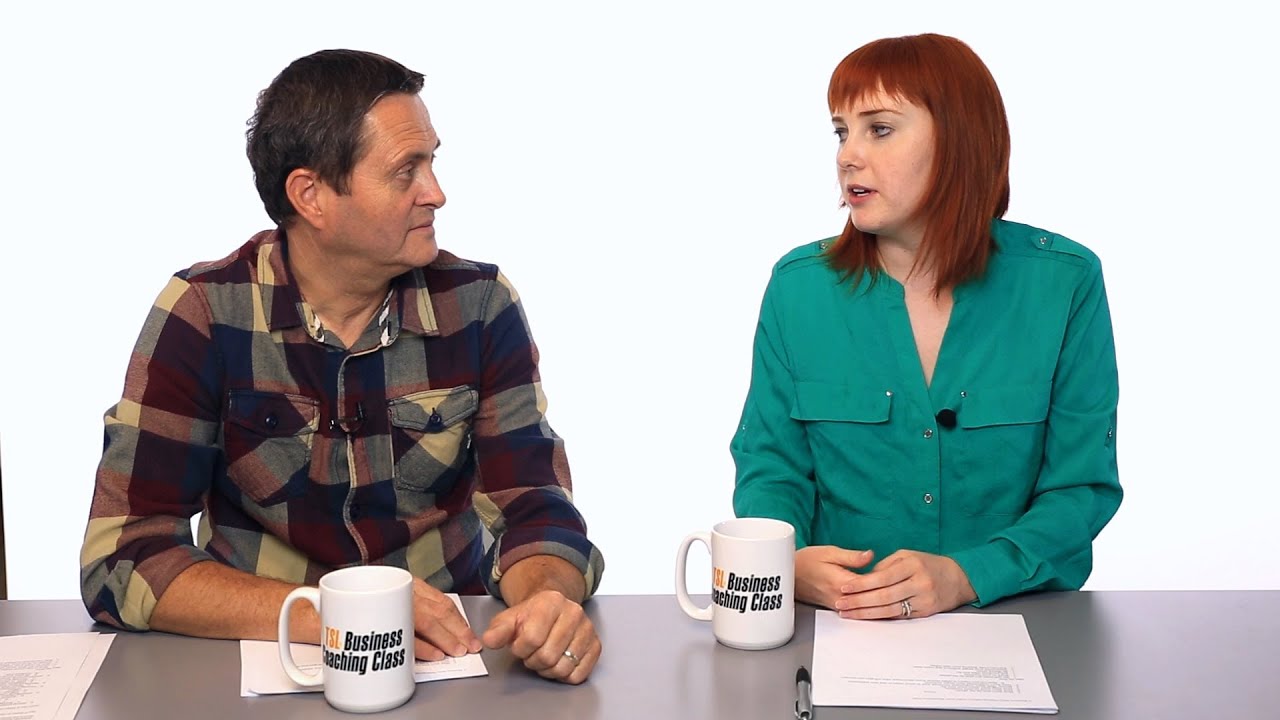
I spent the first two years of running my portrait studio feeling productive without actually moving the needle on revenue. I was busy, constantly busy, but when I looked at what I’d actually accomplished, most of it was noise. Browsing gear forums, tweaking my logo, reorganizing my hard drives. It took an outside perspective to make me realize that staying busy and working on your business are two completely different things, and confusing the two is what kills most photography businesses before they ever gain momentum.
In this The Slanted Lens tutorial, Jay P. Morgan and Adelaide Lawren break down the five most common reasons photography businesses fail. Watch the full tutorial on YouTube before or after reading this, because Jay’s delivery alone is worth your time. But what I want to do here is pull each point apart and give you something concrete to act on today, not eventually.
If any of these hit close to home, good. That discomfort is useful.
Step 1: Pick Up the Phone and Actually Call People
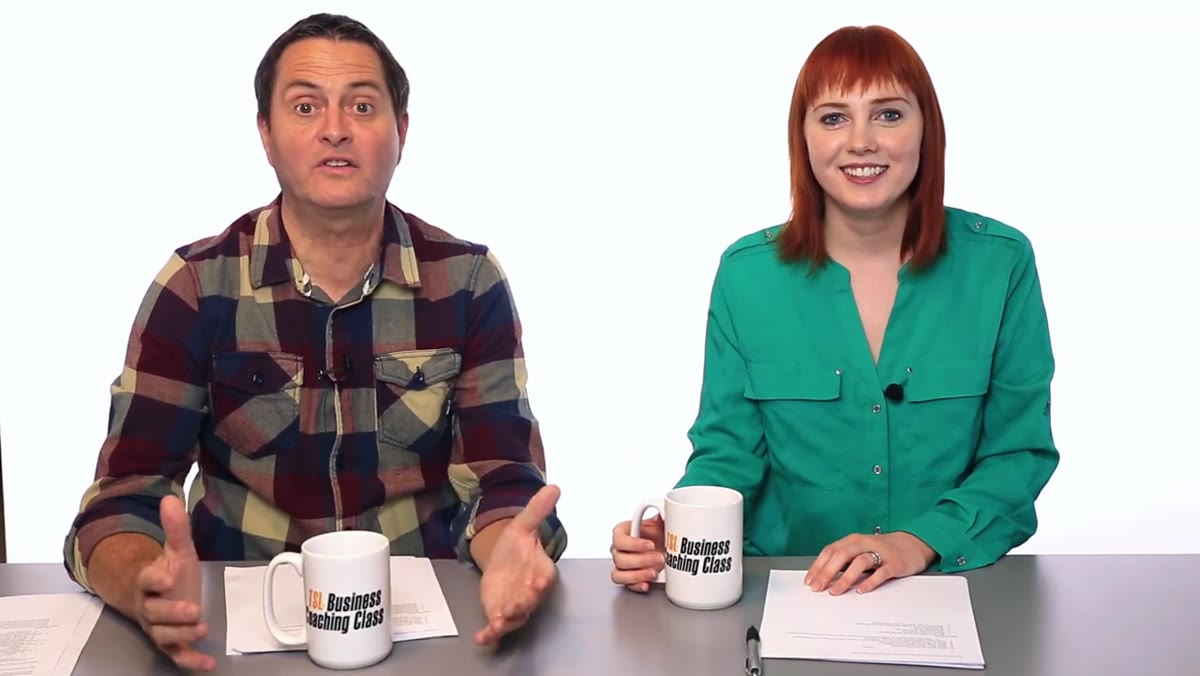 Jay P. Morgan explaining why photographers avoid calling clients
This is the first failure point Jay identifies, and it’s the one most photographers refuse to hear. Sending emails, posting on Instagram, refreshing your inquiry inbox, none of that replaces a direct phone call. Calls feel awkward, but they convert at a dramatically higher rate than passive outreach because they create real human connection instantly.
Jay P. Morgan explaining why photographers avoid calling clients
This is the first failure point Jay identifies, and it’s the one most photographers refuse to hear. Sending emails, posting on Instagram, refreshing your inquiry inbox, none of that replaces a direct phone call. Calls feel awkward, but they convert at a dramatically higher rate than passive outreach because they create real human connection instantly.
Start small. Make a list of five people in your target market who you already have a relationship with, past clients, local vendors, former colleagues, and call each one this week. Not to pitch, but to check in and mention what you’re working on. Most photographers skip this step entirely because it feels uncomfortable. That discomfort is the barrier between you and the photographers who stay booked.
Step 2: Track Where Your Hours Are Actually Going
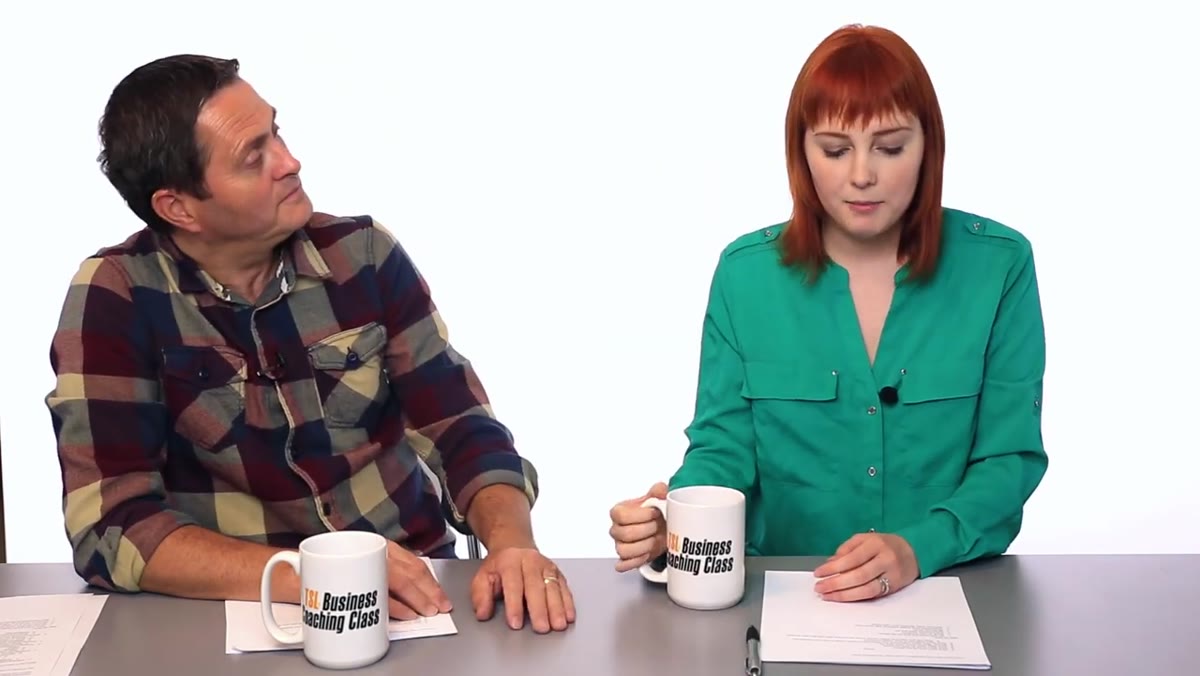 Adelaide discussing time-tracking and distraction habits
Jay references a story from Fstoppers where a photographer was convinced he worked hard, kept a time log to prove it, and discovered he spent most of his day on social feeds and gear browsing. It’s a brutal but common reality. Adelaide recommends a free time-tracking tool called Toggl, and I’ve used it myself when I suspected my studio days were less focused than they felt.
Adelaide discussing time-tracking and distraction habits
Jay references a story from Fstoppers where a photographer was convinced he worked hard, kept a time log to prove it, and discovered he spent most of his day on social feeds and gear browsing. It’s a brutal but common reality. Adelaide recommends a free time-tracking tool called Toggl, and I’ve used it myself when I suspected my studio days were less focused than they felt.
The process is simple. Open Toggl, name the task you’re starting, hit the timer, and don’t switch tasks until you stop it. Do this for one week without changing your behavior and just observe. Most photographers find that genuine business-building activities like prospecting, client follow-up, and marketing planning, get maybe two hours out of an eight-hour day. The rest is overhead, distraction, or gear research that doesn’t pay a single bill. Once you see the data, it’s hard to keep lying to yourself.
Step 3: Stop Keeping Quiet About What You Do
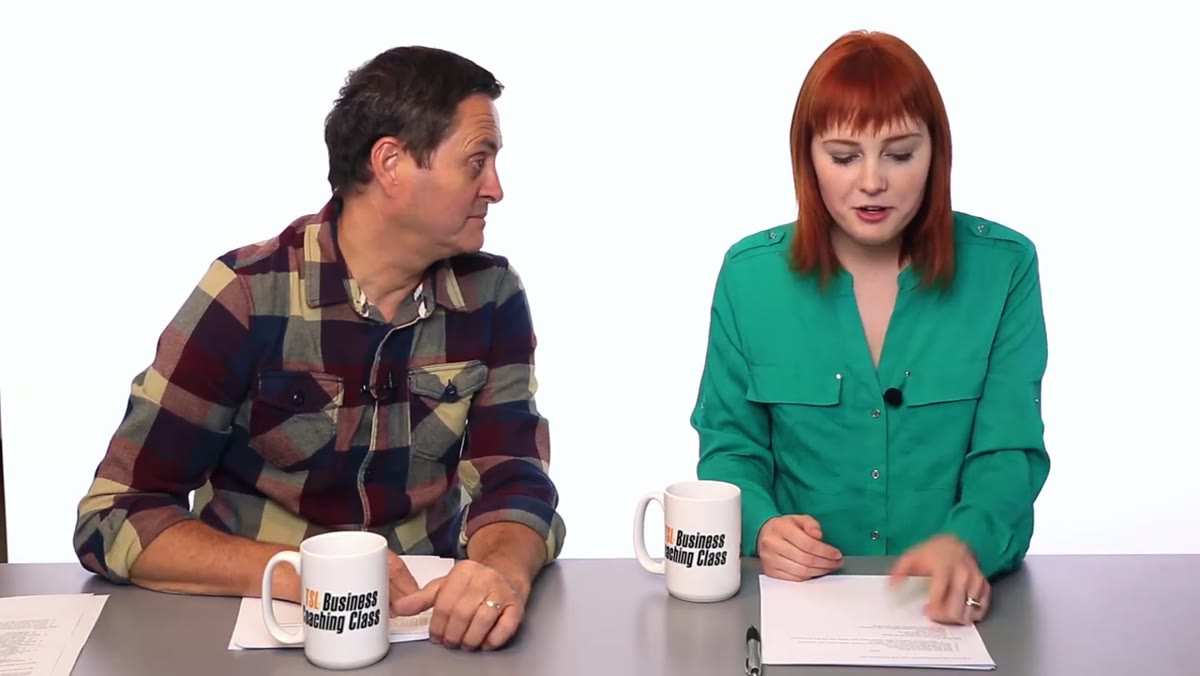 Jay and Adelaide role-playing a natural networking conversation
Jay acts out a networking conversation in the video, and even in a slightly exaggerated form, it lands. The point is simple: most photographers never tell anyone what they do. They show up to events, meet potential clients, and leave without mentioning their work once because it feels like bragging or selling.
Jay and Adelaide role-playing a natural networking conversation
Jay acts out a networking conversation in the video, and even in a slightly exaggerated form, it lands. The point is simple: most photographers never tell anyone what they do. They show up to events, meet potential clients, and leave without mentioning their work once because it feels like bragging or selling.
Practice a clean, two-sentence answer to “what do you do?” that invites a follow-up question. Something like: “I photograph families and personal brand clients here in Miami. I specialize in people who want images that actually look like them, not stock photos.” That’s it. You’re not selling, you’re opening a door. If they’re interested, they’ll walk through it. If they’re not, you haven’t lost anything. The photographers who stay top of mind are the ones who let people know they exist.
Step 4: Build a Daily Plan of Action Before the Day Starts
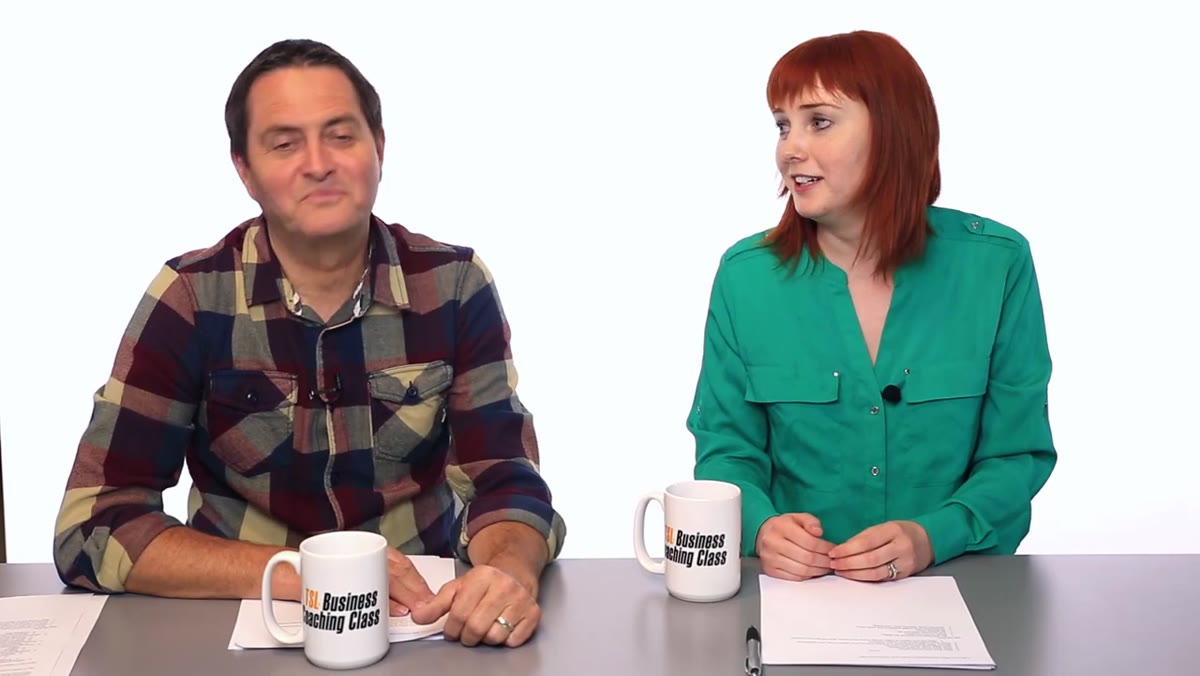 Jay explaining the importance of a structured daily business process
Jay and Adelaide both emphasize this: without a structured daily plan, business development tasks get pushed to “later” every single day until they simply stop happening. This isn’t about being rigid. It’s about protecting the hours that actually grow your business.
Jay explaining the importance of a structured daily business process
Jay and Adelaide both emphasize this: without a structured daily plan, business development tasks get pushed to “later” every single day until they simply stop happening. This isn’t about being rigid. It’s about protecting the hours that actually grow your business.
The night before each workday, write down three business-building tasks you will complete the next day. Not editing, not gear maintenance, but revenue-generating or relationship-building actions. Call a past client. Send a proposal. Research three new potential corporate clients in your area. When those three tasks are done, anything else is a bonus. I use a physical notebook for this because screens have too many rabbit holes. The constraint is the point.
Step 5: Create Accountability Structures You Can’t Easily Ignore
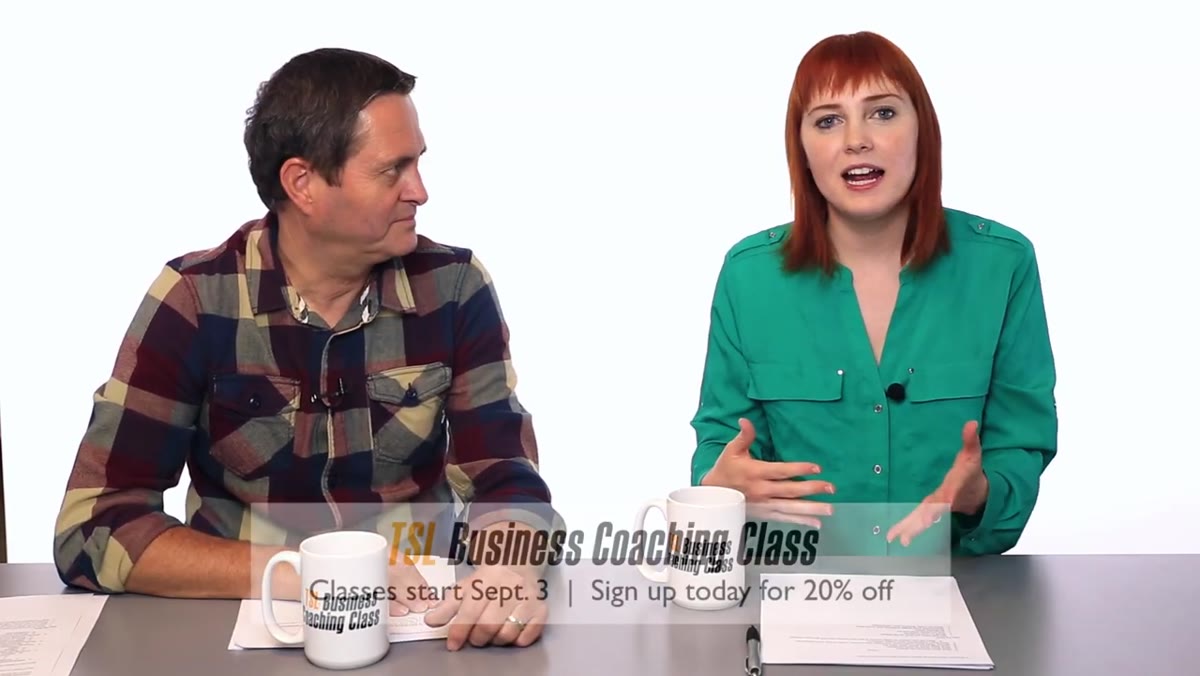 Adelaide describing a marketing and business plan with accountability
The underlying theme across every failure Jay identifies is accountability. Without it, photographers default to the comfortable and familiar, which is usually shooting and gear, not sales and marketing. The business plan you write once and never look at again is just journaling.
Adelaide describing a marketing and business plan with accountability
The underlying theme across every failure Jay identifies is accountability. Without it, photographers default to the comfortable and familiar, which is usually shooting and gear, not sales and marketing. The business plan you write once and never look at again is just journaling.
Accountability can come in a few forms. A business coach or structured course with deadlines. A mastermind group with other photographers where you report progress weekly. Or even a simple shared document with a trusted peer where you both log what you said you’d do and whether you did it. The format matters less than the social commitment. When someone else is watching, even loosely, follow-through rates climb dramatically. Build that into your workflow, not as an afterthought but as a calendar event that cannot move.
What I’d Add From My Own Studio
Jay’s five reasons are accurate, and I’ve watched them sink photographers I respect. But there’s a layer underneath all of them that I’d push you to examine: most of these avoidance behaviors come from not having clarity on who you’re trying to reach and what you’re offering them.
When I was afraid to pick up the phone, it was partly because I didn’t know what I’d say. When I let my days drift, it was partly because my to-do list was too vague to act on. Tracking my metrics obsessively, something I do every single week now, forced me to define success in concrete numbers: inquiry rate, conversion rate, average booking value. Once I had those numbers, I had a map. The discomfort of calling someone or posting consistently got smaller because I knew exactly what I was working toward. Get specific before you get busy.
The single most important thing Jay P. Morgan says in this video is also the simplest: pick up the phone. Not metaphorically, literally. Call a past client today. Tell them what you’re working on. Ask if they know anyone who might need your work. That one action, done consistently, will outlast every algorithm change and marketing trend that comes through your feed.
Watch the full tutorial on YouTube and pay attention to the tone Jay brings to this. He’s not being harsh for the sake of it. He’s being honest because most photographers are talented enough to succeed and just need to stop getting in their own way.
Comments (1)
This is the kind of content that keeps me coming back.
Leave a Comment