I had a client inquiry last month from a corporate brand looking for headshots. Their first question wasn’t about my style or my turnaround time. It was: “Can you do this faster than AI?” Not cheaper. Faster. That question sat with me for a few days because it told me exactly where some clients’ heads are right now — and it confirmed that the photographers who don’t get clear on their value are going to feel this shift harder than anyone.
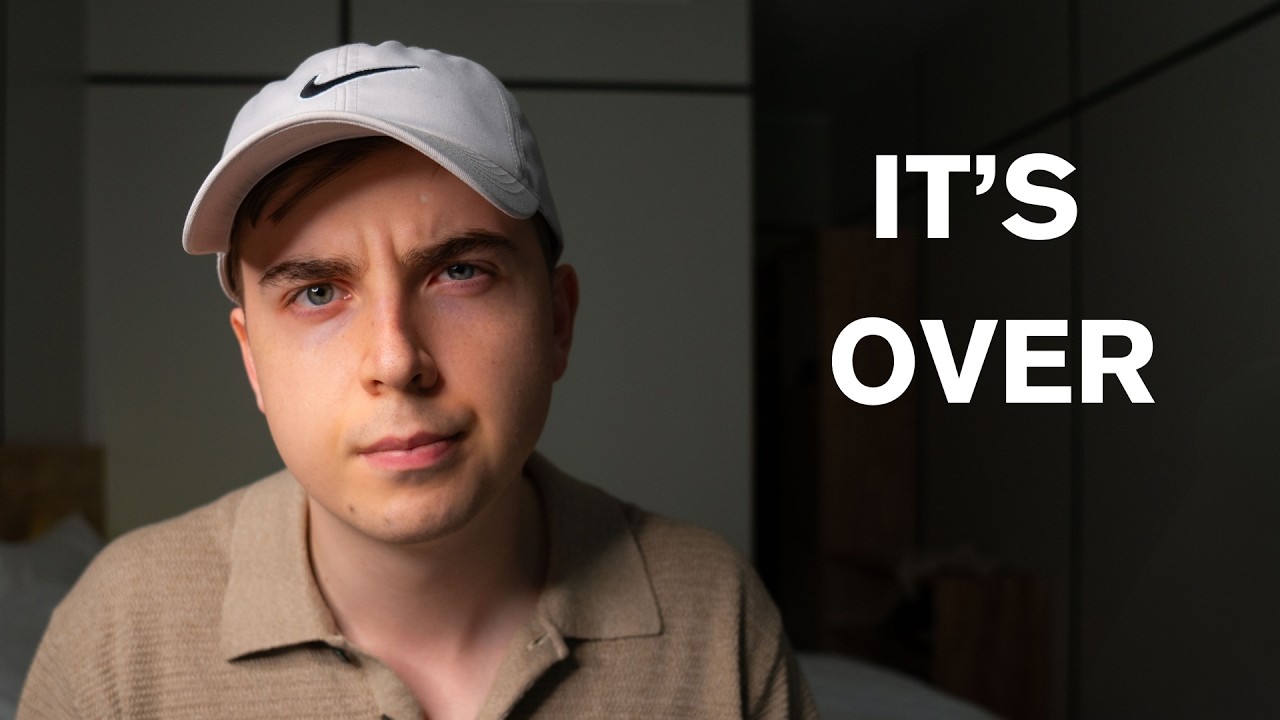
That’s why this video from Hugo Korhonen landed the way it did. It’s not doom-and-gloom about AI. It’s a clear-eyed look at what actually changed, what clients still need from us, and how to reposition before the market forces you to.
The Shift Is Real, But It’s Not What Most Photographers Think
Hugo opens by acknowledging something a lot of photographers are dancing around: AI-generated imagery has reached a quality level that genuinely competes with certain types of commercial photography. Product shots, stock-style images, generic brand content. If you’ve been relying on volume-based, commoditized work, that pipeline is legitimately under pressure.
But here’s the reframe he makes early in the video that I think is the most important point: this isn’t a story about cameras losing. It’s a story about generic losing. AI is extremely good at producing technically competent, emotionally flat images at scale. What it cannot do is show up, build trust, and capture something that actually happened between real people in a real moment.
That distinction matters enormously if you’re running a portrait or event business. My studio is built on repeat clients and referrals, and not one of those relationships started because someone saw a technically sharp photo. They started because someone felt something.
What Clients Are Actually Buying From You
This is where Hugo’s video gets specifically useful for photographers who are trying to figure out how to respond. He breaks down what people hire human photographers for, and it’s worth sitting with this list.
Clients hire photographers for experience, trust, and transformation. Not just deliverables. A brand doesn’t just want images, they want to feel confident that their visual identity is in capable hands. A family booking a portrait session isn’t buying JPEGs, they’re buying a memory-making event. A couple hiring a wedding photographer is hiring someone to be present for one of the most emotionally loaded days of their life.
AI can produce output. It cannot hold space. It cannot redirect a nervous client. It cannot make a grandmother laugh right before you press the shutter.
I track my studio’s metrics pretty closely, and the single strongest predictor of a referral is not the quality of the final gallery. It’s whether the client described the session itself as enjoyable in their follow-up survey. The experience is the product. The photos are proof that it happened.
How to Change Your Positioning Before You Have To
Hugo’s advice here is direct: stop leading with technical credentials and start leading with the transformation you deliver. This means changing how you write your website copy, how you talk in consultations, and what you show in your portfolio.
Practically, this looks like a few specific things.
Your portfolio should lead with emotional resonance, not technical variety. If someone lands on your website and the first thing they feel is “wow,” you’ve already done more than most photographers’ SEO strategy ever will. Pick images that make people feel something in the first three seconds.
Your consultation framing should center on the client’s goal, not your process. Instead of explaining your editing style, ask what they want to feel when they look at these photos in ten years. That question changes the entire dynamic of the conversation and immediately separates you from anyone quoting turnaround times.
Your marketing content should document your client experience, not just your final images. Behind-the-scenes moments, client reactions, stories from sessions. Hugo is clear that this kind of content builds the trust that converts strangers into bookings, and it’s the content that AI literally cannot replicate because it requires you to exist in the world.
Where I’d Push Back, Just Slightly
Hugo’s framework is strong, and I apply most of it directly. But I want to add one nuance from my own experience: the emotional experience argument only works if you can actually back it up operationally.
I used to tell clients they’d have a seamless, stress-free experience. Then I’d occasionally drop the ball on communication between booking and session day, and the experience felt mismatched from the promise. It cost me a client I really wanted to keep. After that I built out a detailed onboarding and touchpoint sequence, and my retention numbers went up noticeably.
Hugo’s video is right that the differentiation is experiential. But experience is a system, not a vibe. If you’re going to compete on it, you need to deliver it consistently, which means having actual processes behind the promise. The emotional positioning is your front door. Your systems are the house.
The One Thing to Take Away From This
The photographers who will feel AI as a threat are the ones still trying to compete on output. The ones who will grow are the ones who make themselves irreplaceable at every stage of the client relationship, not just at the moment they click the shutter.
Watch Hugo Korhonen’s full video for the complete breakdown, especially the section starting around the 3:36 mark where he gets specific about what clients want from photographers today. It’s worth 10 minutes of your time.
Comments
Leave a Comment