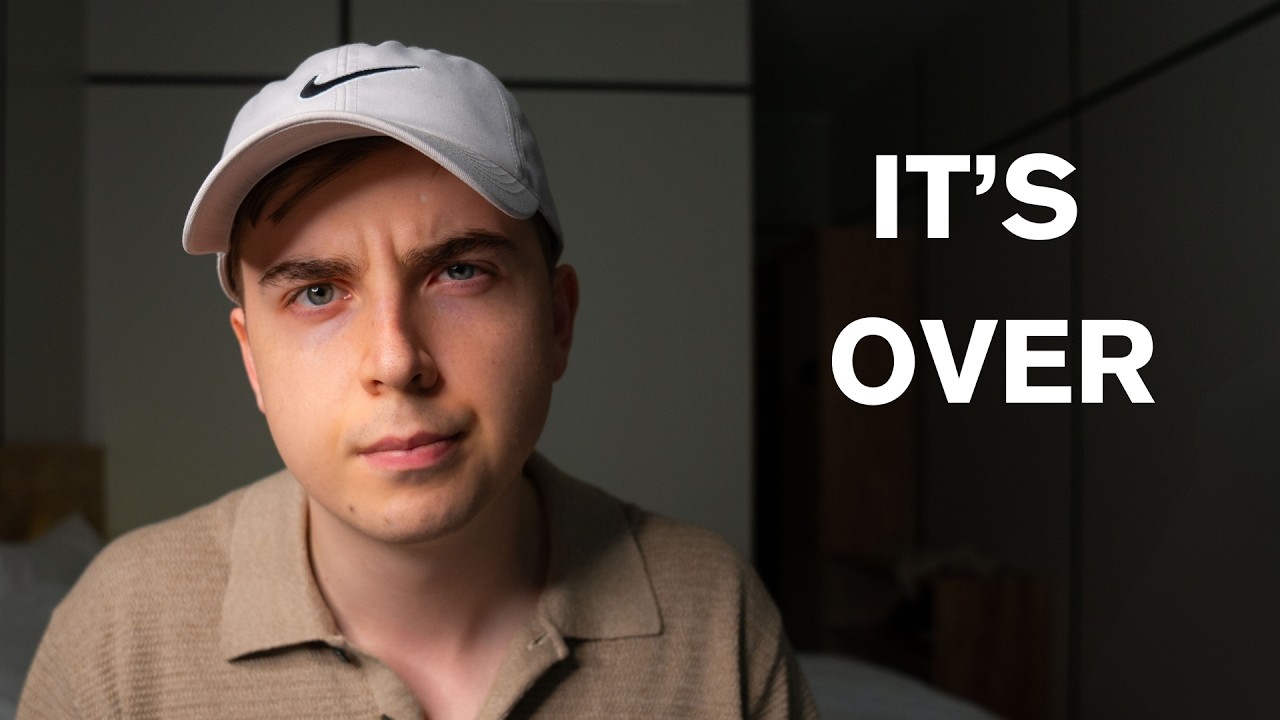
I’ve been running my portrait studio long enough to remember when a razor-sharp image with flawless exposure was the whole pitch. You put your technically cleanest work in your portfolio, and clients hired you because they could see the craft. That equation worked for years. Then AI image generation got good. Really good. And now I watch photographers pour everything into producing technically immaculate images, not realizing that perfection has quietly become a liability rather than a selling point.
This is the shift that photographer Hugo Korhonen breaks down in a tutorial that stopped me mid-scroll. Watch the full tutorial on YouTube before or after reading this, because the framing he puts around this problem is worth sitting with. My walkthrough below pulls out the actionable pieces and adds what I’ve seen play out inside my own studio.
The core argument is this: when AI can generate a technically perfect photograph in seconds, technical perfection no longer signals skill. It signals a machine. That changes what your portfolio needs to do, what your clients are actually looking for, and how you should think about your own editing process from this point forward.
Step 1: Accept That Technical Perfection Is No Longer Your Differentiator
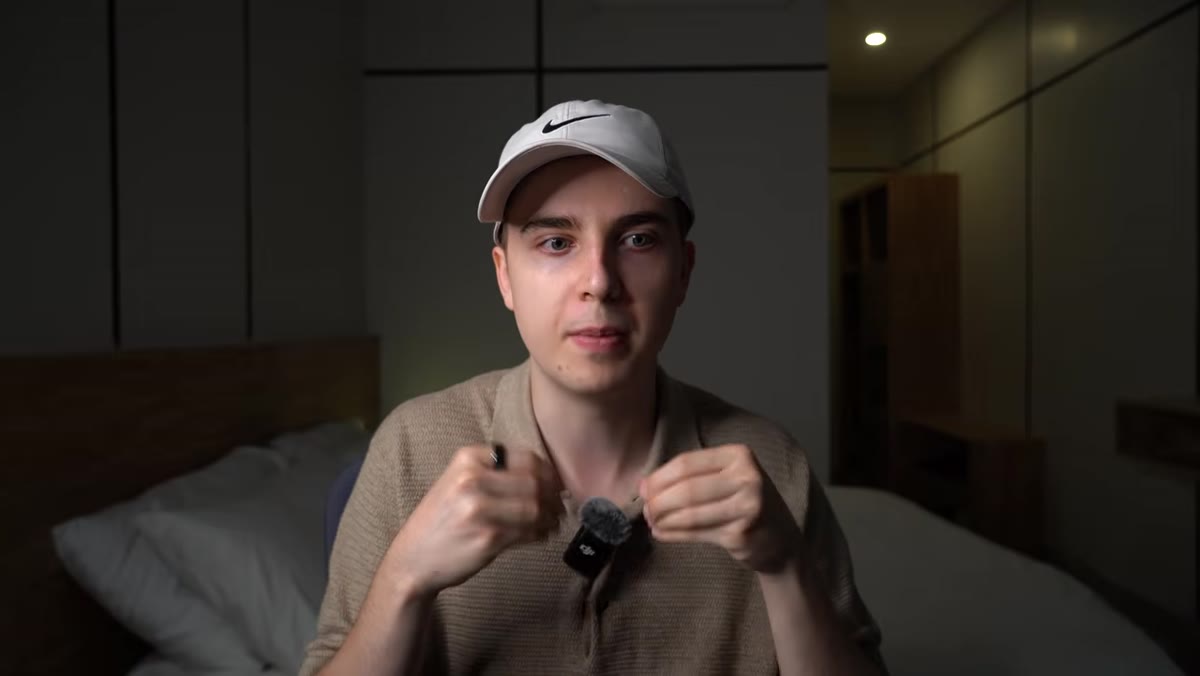 Photographer explaining why perfection now signals AI
The first move is a mindset shift, and it’s a harder one than it sounds. Korhonen is direct about this: nobody is walking away from your gallery thinking, “Wow, the ISO choice on that shot was impeccable.” Not a single client has ever booked a session because your histogram was clean. What this means practically is that you can stop optimizing your portfolio around sharpness, perfect exposure, or noise-free shadows. Those were never the things moving the needle with buyers, and now chasing them can actively work against you.
Photographer explaining why perfection now signals AI
The first move is a mindset shift, and it’s a harder one than it sounds. Korhonen is direct about this: nobody is walking away from your gallery thinking, “Wow, the ISO choice on that shot was impeccable.” Not a single client has ever booked a session because your histogram was clean. What this means practically is that you can stop optimizing your portfolio around sharpness, perfect exposure, or noise-free shadows. Those were never the things moving the needle with buyers, and now chasing them can actively work against you.
For my own portfolio review process, this meant going back through my featured images and asking a different question: does this photo look like something a human experienced, or does it look like something a computer rendered? Any image where the answer leaned toward “rendered” came out of the rotation, regardless of how technically clean it was.
Step 2: Identify What Clients Actually Want Right Now
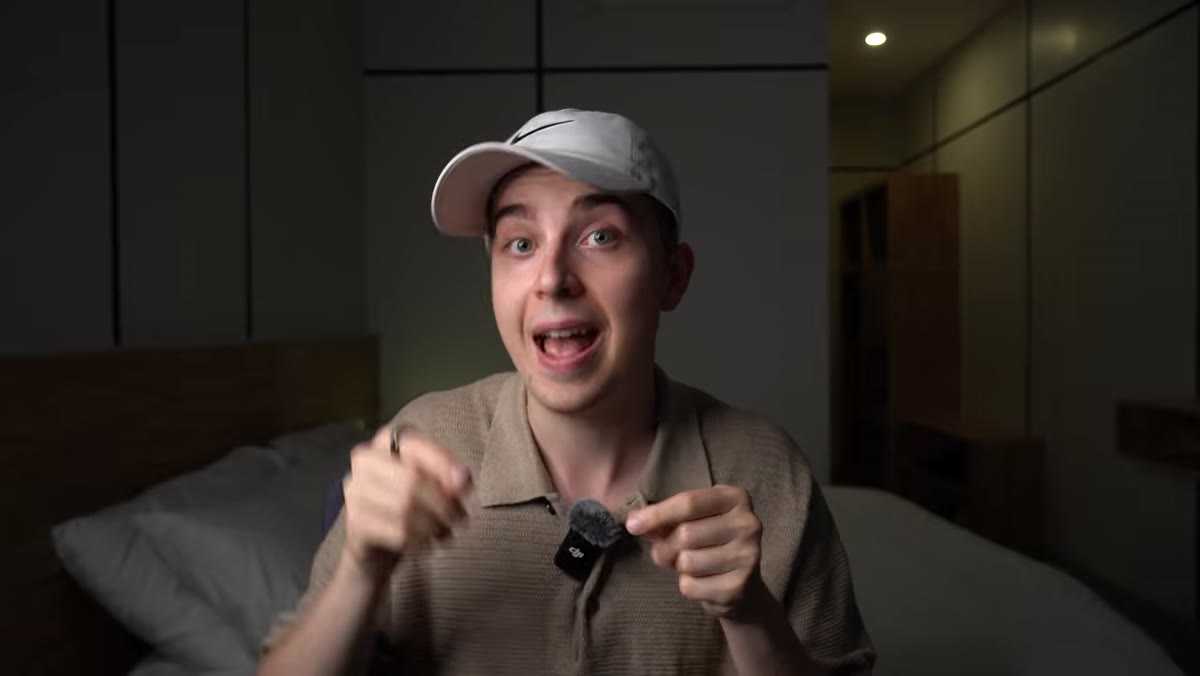 Creator describing what clients and viewers want from photographers
Korhonen’s point here is blunt and useful: people are tired of AI-generated imagery, and that fatigue is creating a real appetite for the opposite. Clients, especially portrait and event clients, want documented reality. They want proof that a moment happened, that emotions were present, that something was real. A slightly imperfect image with genuine feeling in it beats a flawless composite that looks like it came from a stock library of the future.
Creator describing what clients and viewers want from photographers
Korhonen’s point here is blunt and useful: people are tired of AI-generated imagery, and that fatigue is creating a real appetite for the opposite. Clients, especially portrait and event clients, want documented reality. They want proof that a moment happened, that emotions were present, that something was real. A slightly imperfect image with genuine feeling in it beats a flawless composite that looks like it came from a stock library of the future.
Think about what this means from a client’s perspective. If they hire you and get back photos that look indistinguishable from AI output, they start to wonder why they paid a photographer at all. The value you deliver is the confirmation that those moments were real. That’s not a soft, philosophical point. It’s a practical one that should shape what you put in your proposals and how you talk about your work in consultations.
Step 3: Stop Over-Editing Toward Perfection
 Creator discussing the shift away from perfect settings and editing
This is where the rubber meets the road in post-processing. If you have a habit of smoothing every skin texture, removing every stray hair, and correcting every slightly off-kilter horizon line, this is the step where you ease up. Not because quality doesn’t matter, but because hyper-correction is exactly the visual signature of AI-generated work. Viewers have absorbed enough AI images at this point that they pattern-match “too perfect” with “fake.”
Creator discussing the shift away from perfect settings and editing
This is where the rubber meets the road in post-processing. If you have a habit of smoothing every skin texture, removing every stray hair, and correcting every slightly off-kilter horizon line, this is the step where you ease up. Not because quality doesn’t matter, but because hyper-correction is exactly the visual signature of AI-generated work. Viewers have absorbed enough AI images at this point that they pattern-match “too perfect” with “fake.”
In practice, I’ve started leaving in small, authentic details that I would have previously cleaned up: a slight catch-light that’s not perfectly centered, a background element that adds context to the location, natural skin texture on a portrait subject. These aren’t mistakes. They’re evidence of reality. My edit time has actually dropped since I stopped chasing pixel-level perfection, and client feedback on “how real and genuine” the photos feel has gone up.
Step 4: Reframe Your Portfolio Around Story and Emotion
 Creator explaining that storytelling is what has always mattered in photography
Korhonen frames this as the through-line that was always true in photography and is now just more visible: the question your portfolio needs to answer is not “how skilled is this photographer technically?” but “what does it feel like to be in this photographer’s photos?” That reframe should change which images you lead with, how you sequence a gallery, and what you highlight in your marketing copy.
Creator explaining that storytelling is what has always mattered in photography
Korhonen frames this as the through-line that was always true in photography and is now just more visible: the question your portfolio needs to answer is not “how skilled is this photographer technically?” but “what does it feel like to be in this photographer’s photos?” That reframe should change which images you lead with, how you sequence a gallery, and what you highlight in your marketing copy.
Go through your portfolio and pull out five images where you can write a single sentence about what was happening emotionally in that moment. If you can do that easily, those are your lead images. If an image is beautiful but you can’t point to a human story inside it, it belongs further back in the rotation, or out entirely. Your portfolio is making an argument to potential clients. Make sure the argument is about human experience, not technical output.
Step 5: Communicate This Shift Directly to Clients
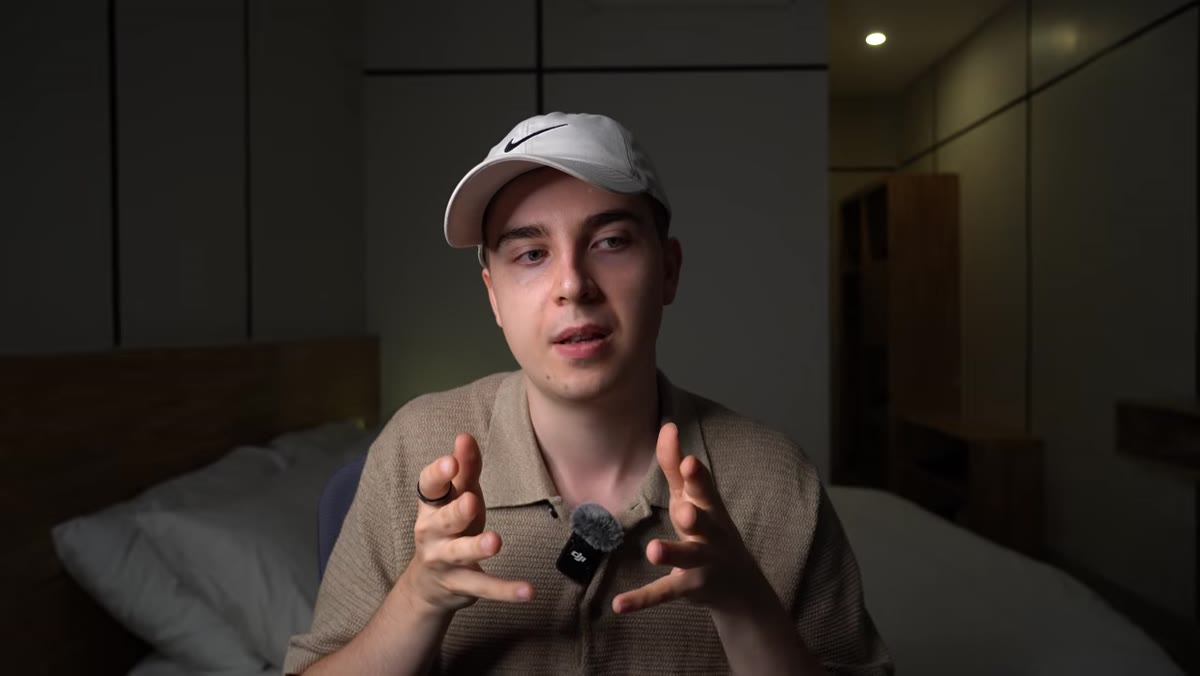 Creator explaining the photographer’s job is to communicate real moments
This is a step Korhonen implies but that I’d make explicit based on what I’ve seen in client conversations. Clients need to hear, in plain language, why hiring a real photographer produces something that AI cannot. That case used to make itself through technical quality. Now you have to make it verbally, in your inquiry responses, on your about page, and in your consultations.
Creator explaining the photographer’s job is to communicate real moments
This is a step Korhonen implies but that I’d make explicit based on what I’ve seen in client conversations. Clients need to hear, in plain language, why hiring a real photographer produces something that AI cannot. That case used to make itself through technical quality. Now you have to make it verbally, in your inquiry responses, on your about page, and in your consultations.
I’ve added a short paragraph to my client welcome email that explains the difference between a “perfect” image and a meaningful one, and why I intentionally photograph toward the latter. It sets expectations, positions my work correctly, and filters for clients who actually want what I offer rather than clients shopping for the cheapest path to polished output.
What My Studio Data Tells Me About This Shift
I pulled booking inquiry data from the last 18 months and compared which portfolio images were getting the most clicks and saves on my website. Without any changes to how I was shooting, the images performing best were consistently the ones with the most obvious emotional content, not the ones with the cleanest technical execution. Candid laughter beat posed perfection every time. A slightly underexposed image with a genuine tear in it outperformed a beautifully lit portrait where the subject looked composed but checked out.
This was before I even consciously made the changes Korhonen is describing. The market was already moving. The only question is whether your portfolio is moving with it.
The single most important takeaway here is this: authenticity is now a competitive advantage, not just a nice creative value. The photographers who figure out how to let real moments lead, and who stop performing technical perfection as their primary signal of quality, are the ones who will stand out as AI-generated imagery continues to flood every platform and inbox. Your camera and your presence at a real event are things AI cannot replicate. Lean into that, hard.
Watch the full tutorial on YouTube to hear Hugo Korhonen walk through the full argument in his own words.
Comments (5)
This is going in my reference folder. Incredibly useful.
Great breakdown. The step-by-step approach really helps.
The tip about ai didnt kill photography but was the missing piece for me. Thank you.
This should be required reading for anyone starting out.
Bookmarked. Coming back to this one for sure.
Leave a Comment