
I used to joke that my business card should read “Chief Everything Officer” because that’s exactly what being a solo portrait photographer felt like. Shooting, editing, invoicing, marketing, answering emails at midnight. For years I told myself that was just the deal, that creative freedom came with this particular kind of exhaustion. It wasn’t until I started studying how other photographers had actually broken out of that ceiling that I realized the problem wasn’t my workload. It was my mindset.
In this The Portrait System tutorial, host Nikki Closser interviews Jaron Collins, the owner of JCI Creatives in Dallas, a full-service visual production company that covers corporate conferences and conventions nationwide with a team of six. Watch the full tutorial on YouTube. Jaron didn’t launch this way. He started exactly where most of us do, with a Canon Rebel and a need to pay rent, shooting around his college campus at the University of Oklahoma back in 2009. What he describes in this conversation is not a lucky break. It’s a deliberate, reproducible shift in how he approached the business of photography.
What follows is my breakdown of the strategic moves Jaron outlines, written so you can actually apply them without needing to watch first (though you should watch it anyway).
Step 1: Start Where You Are, Not Where You Want to Be
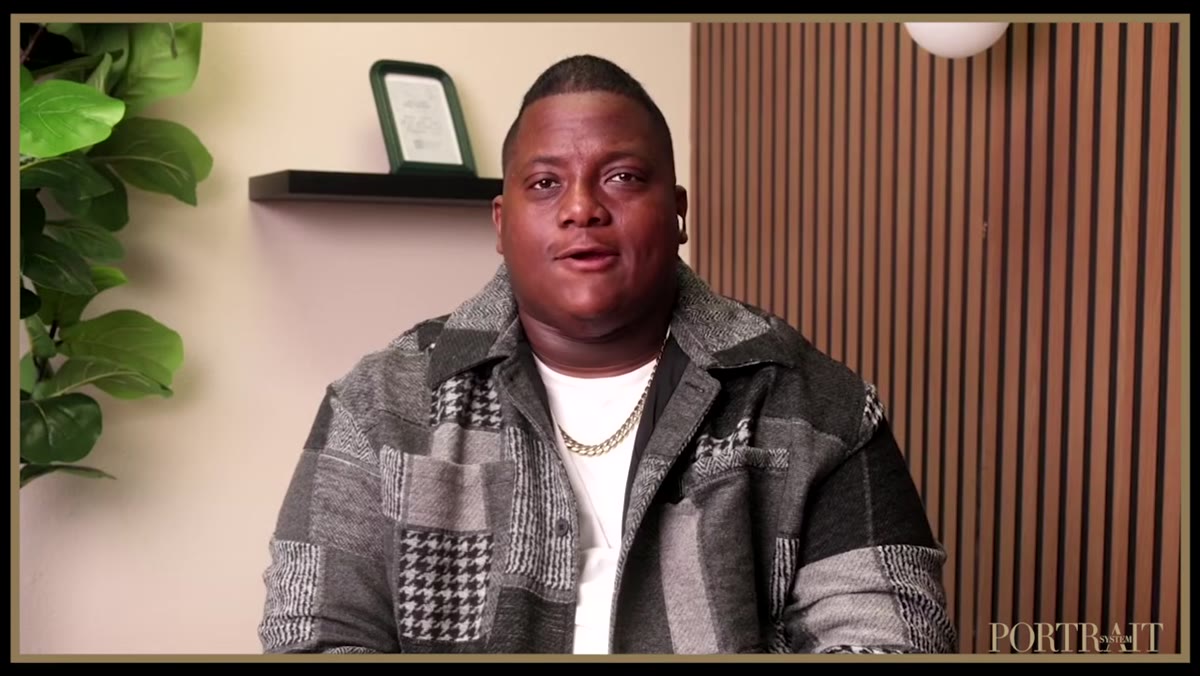 Jaron describing starting with just a camera in college
Jaron’s origin story matters because it dismantles the myth that you need a polished setup to begin. He bought his first camera through a good deal, started shooting campus life, and used the income to cover his living expenses as a student. There was no business plan, no brand identity deck, no LLC on day one. There was just a camera and a reason to use it.
Jaron describing starting with just a camera in college
Jaron’s origin story matters because it dismantles the myth that you need a polished setup to begin. He bought his first camera through a good deal, started shooting campus life, and used the income to cover his living expenses as a student. There was no business plan, no brand identity deck, no LLC on day one. There was just a camera and a reason to use it.
If you’re still waiting for the “right moment” to take your photography seriously as a business, Jaron’s timeline is your permission slip. He shot through undergrad, through grad school, and even survived a detour into a traditional job before going full-time in 2017. The point is he kept the thread alive. Whatever stage you’re at right now, that’s the starting line.
Step 2: Treat the Sabbatical as Data, Not Failure
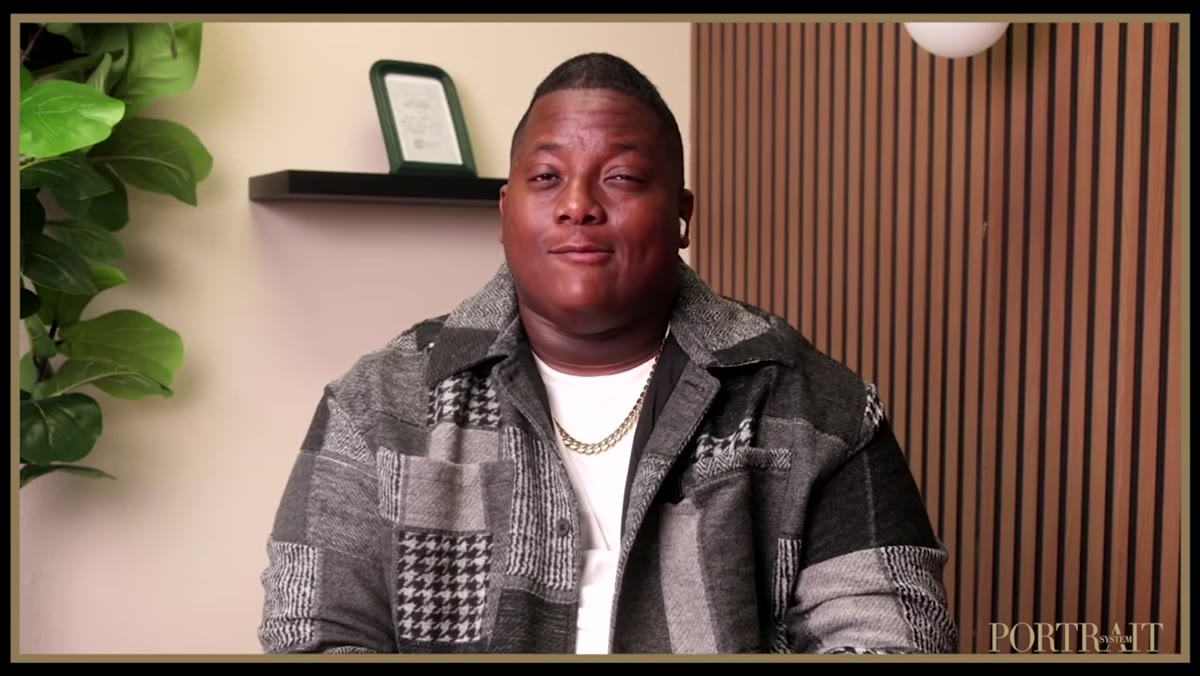 Jaron discussing his stint in a traditional job before going full-time
Jaron spent time in a conventional career before returning to photography full-time, and he’s clear that the experience wasn’t wasted. It confirmed something important: the creative, autonomous path was the right one for him. That clarity is worth something. Without testing the alternative, you spend years wondering “what if.”
Jaron discussing his stint in a traditional job before going full-time
Jaron spent time in a conventional career before returning to photography full-time, and he’s clear that the experience wasn’t wasted. It confirmed something important: the creative, autonomous path was the right one for him. That clarity is worth something. Without testing the alternative, you spend years wondering “what if.”
For photographers who are currently straddling a day job and a photography business, this is useful framing. You’re not stuck. You’re gathering information. Track what the day job is costing you in time and energy versus what your photography business earns per hour when you actually calculate it honestly. That comparison tends to be clarifying.
Step 3: Go Full-Time With Community as Your First Investment
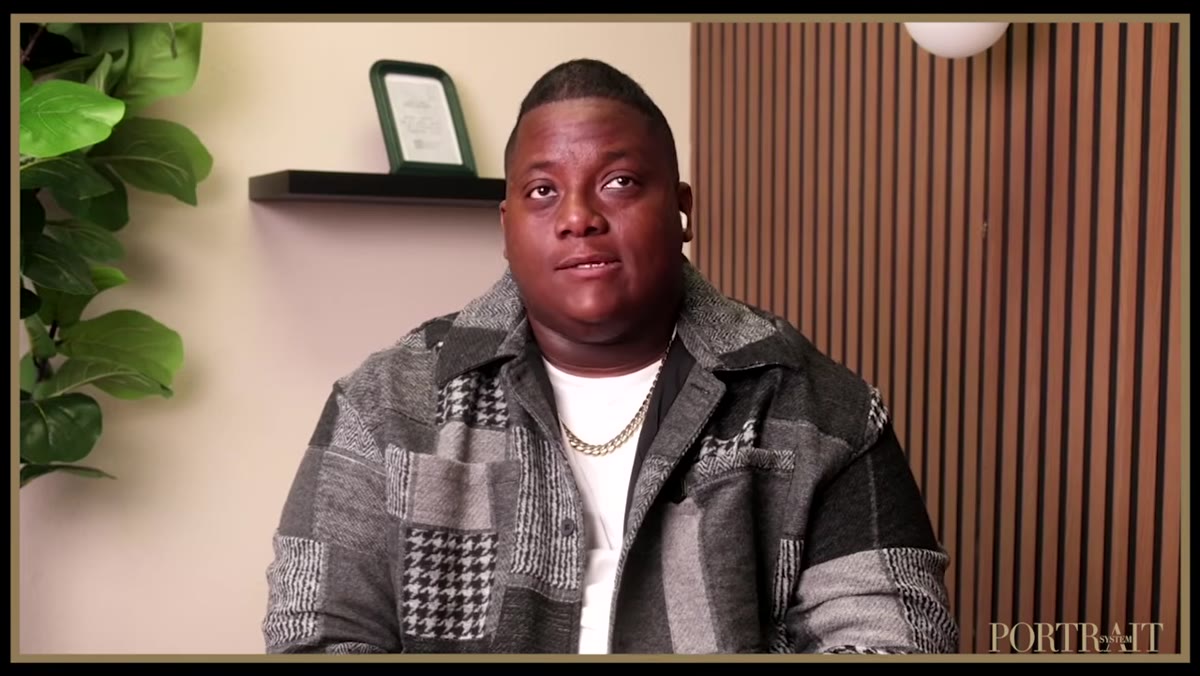 Jaron explaining why he sought out other photographers and videographers first
When Jaron made the leap to full-time in 2017, his first priority wasn’t gear or a new website. It was finding community with other photographers and videographers. He’s explicit about why: not just to learn, but to build the bench of people he could eventually call on as team members.
Jaron explaining why he sought out other photographers and videographers first
When Jaron made the leap to full-time in 2017, his first priority wasn’t gear or a new website. It was finding community with other photographers and videographers. He’s explicit about why: not just to learn, but to build the bench of people he could eventually call on as team members.
This reframe is significant. Most photographers treat networking as a nice-to-have, something you do at conferences between sessions. Jaron treated it as infrastructure. Every relationship he built was a potential future hire or collaborator. If you’re attending WPPI, Imaging USA, or any local photography meetup, go in asking yourself: who here could I work alongside on a job in six months? That shift in intent changes what you take away from every conversation.
Step 4: Build a Service Stack, Not Just a Shooting Style
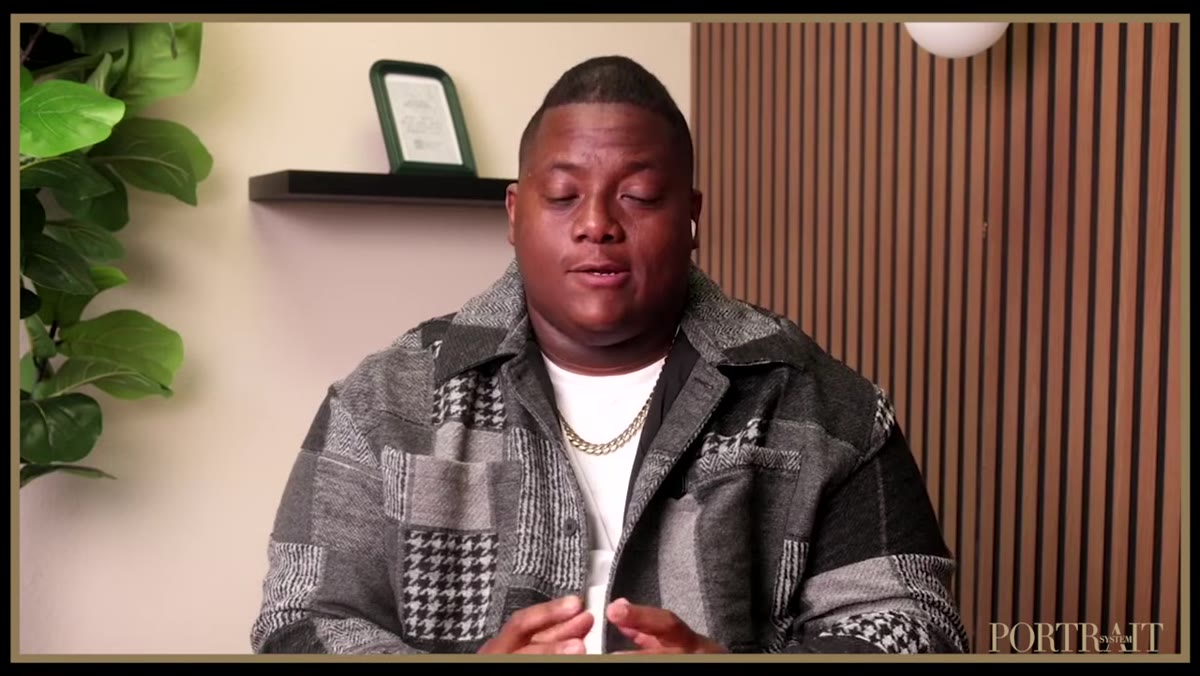 Jaron listing the full range of services JCI Creatives offers at events
JCI Creatives doesn’t just show up and shoot. Jaron describes a full suite of offerings: candid event coverage, headshot stations, video recaps, and multi-camera live stream production. Each of these services solves a different problem for a corporate client, and collectively they make JCI Creatives a one-stop vendor rather than a line item someone has to justify.
Jaron listing the full range of services JCI Creatives offers at events
JCI Creatives doesn’t just show up and shoot. Jaron describes a full suite of offerings: candid event coverage, headshot stations, video recaps, and multi-camera live stream production. Each of these services solves a different problem for a corporate client, and collectively they make JCI Creatives a one-stop vendor rather than a line item someone has to justify.
This is where portrait photographers leave serious money on the table. If you can shoot headshots, you can almost certainly offer a headshot station at a conference. If you have any video capability at all, a highlight reel is a natural add-on. You don’t have to be a full production house on day one. But start mapping out what a fuller service offering could look like, and identify which pieces you could subcontract to trusted colleagues while you learn the rest.
Step 5: Scale With People, Not Just Hours
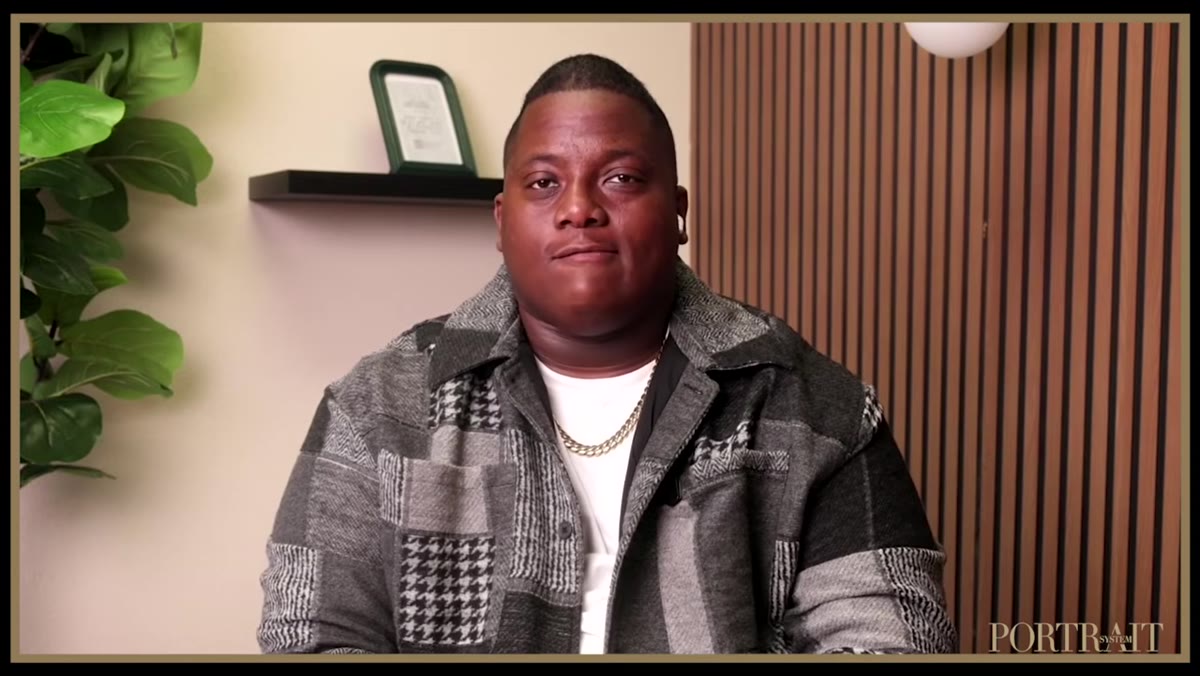 Jaron saying you can’t do everything alone forever and need good people around you
Jaron puts it plainly: you cannot scale a business by doing everything yourself indefinitely. He now runs a team of six, which means JCI Creatives can cover events that a solo shooter physically cannot. A single photographer has one set of eyes. A team of six can be in six different rooms at the same conference simultaneously, producing content that a solo operator simply cannot deliver.
Jaron saying you can’t do everything alone forever and need good people around you
Jaron puts it plainly: you cannot scale a business by doing everything yourself indefinitely. He now runs a team of six, which means JCI Creatives can cover events that a solo shooter physically cannot. A single photographer has one set of eyes. A team of six can be in six different rooms at the same conference simultaneously, producing content that a solo operator simply cannot deliver.
The practical move here is to start small. Identify one task you are doing right now that someone else could do, whether that’s second-shooting, editing, or client communication follow-ups. Bring one person in on one job and evaluate it. The goal isn’t to hand off your art. The goal is to stop being the bottleneck between your business and its growth.
What I’d Add From My Own Experience
The piece Jaron touches on but doesn’t fully unpack in this segment is the pricing shift that has to happen when you move into corporate work. Corporate clients have larger budgets, but they also have procurement processes, vendor requirements, and expectations around professionalism that consumer portrait clients don’t. I learned this the hard way after losing a significant booking because my contract language wasn’t tight enough for a corporate legal team to approve.
When you start targeting conference and convention clients, your contract needs to address licensing explicitly, especially if your images will be used in marketing materials or press releases. It also needs clear terms around deliverable timelines, because a corporate event coordinator answers to a VP, and “I’ll get you the gallery in a few weeks” is not going to work. Tighten your paperwork before you pitch, not after you land the job.
The single most important thing Jaron’s story illustrates is that the ceiling most photographers bump into isn’t a talent ceiling. It’s a structure ceiling. The moment he stopped thinking about what he could shoot alone and started thinking about what his company could deliver, the business changed shape entirely. That’s the move.
Watch the full tutorial on YouTube and pay close attention to how Jaron talks about client relationships. The business model is replicable, but the approach to building trust with large organizations is where the real depth lives.
Comments (7)
Finally someone explains this in a way that actually makes sense.
This is going in my reference folder. Incredibly useful.
Just subscribed. If the rest of your content is this good, I'm in.
Printing this out and pinning it next to my monitor. That good.
This is exactly what I needed today. Been struggling with this for weeks.
Quality content like this is rare. Keep it up.
This is fantastic. I've been recommending this approach to my readers too.
Leave a Comment