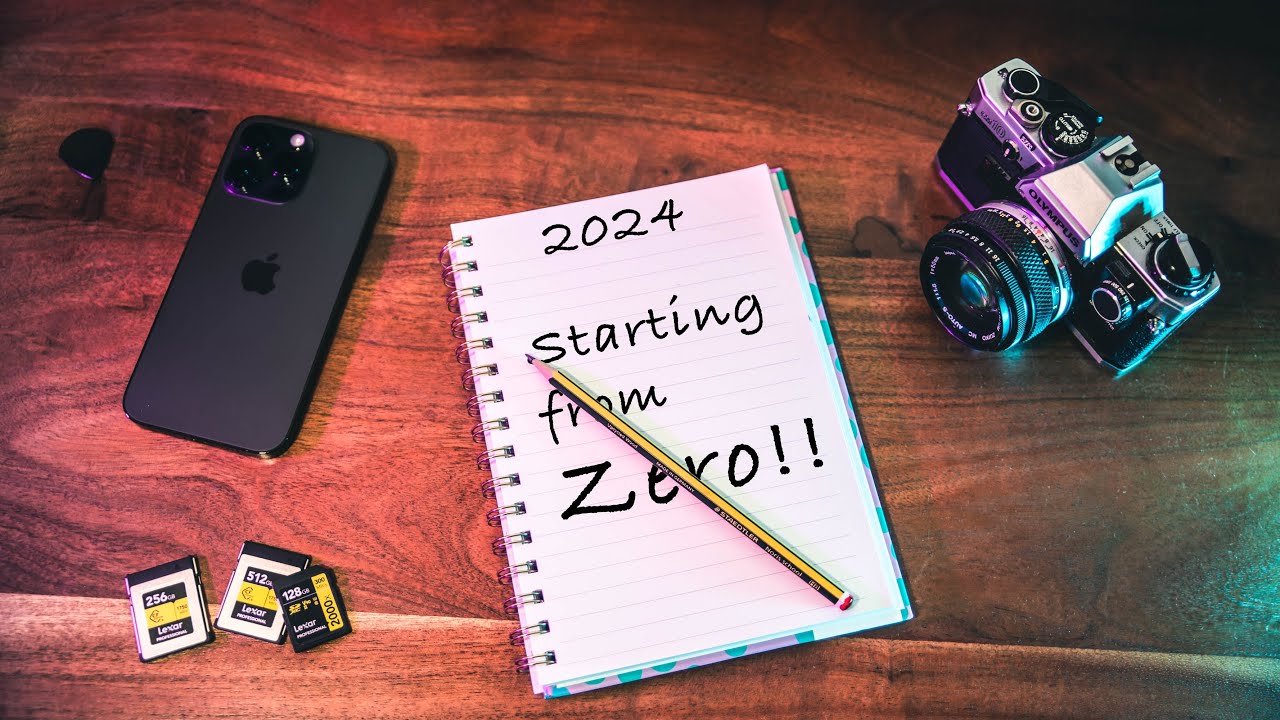
Every January I pull up my studio spreadsheets and ask myself the same uncomfortable question: is this business actually growing, or am I just staying busy? It’s a ritual I picked up after watching my parents run their photography business for years without ever asking that question out loud. They were talented. They were booked. They were barely breaking even.
That’s why I was genuinely glad when I came across this tutorial from Adam at First Man Photography. His niche is landscape photography, mine is portraits, but the business fundamentals he lays out are universal. Watch the full tutorial on YouTube and follow along below, because I want to unpack each step and add the layer he doesn’t cover: what this looks like when you’re running a studio with recurring clients rather than selling fine art prints.
The core problem Adam is solving is one I hear constantly from photographers who message me: they have real skill, a growing Instagram following, and zero sustainable revenue. This tutorial gives a clear framework for fixing that, starting from zero, or re-evaluating what you’ve already built.
Step 1: Start Selling Physical Products Right Now
 Photographer walking through landscape while discussing income streams
Before you quit your day job, before you build the website, before you do anything else, Adam’s first step is to start making things and selling them. For landscape photographers that means prints. For portrait photographers, it means wall art, albums, and folio boxes. The point is the same: you need to find out whether anyone will actually hand you money for your work before you bet your livelihood on the answer.
Photographer walking through landscape while discussing income streams
Before you quit your day job, before you build the website, before you do anything else, Adam’s first step is to start making things and selling them. For landscape photographers that means prints. For portrait photographers, it means wall art, albums, and folio boxes. The point is the same: you need to find out whether anyone will actually hand you money for your work before you bet your livelihood on the answer.
I track every product sale I make each quarter, broken down by type and client. When I started doing this seriously, I realized my average print sale was adding $400 to bookings I had already written off as “just a session fee.” That’s not nothing. Adam mentions selling around four prints a month and finding it genuinely meaningful even when the volume is low. That framing matters. Start small, build the habit of commerce, and let the emotional win of that first sale teach you that people do value your work enough to pay for it.
Step 2: Understand the Market You’re Entering Before You Scale
 Adam discussing print market supply and demand while outdoors
Adam is refreshingly honest here. The print market is shrinking. Demand is softening while supply is exploding because more photographers than ever are producing beautiful work. He doesn’t say “don’t sell prints,” he says “don’t expect prints alone to carry you.”
Adam discussing print market supply and demand while outdoors
Adam is refreshingly honest here. The print market is shrinking. Demand is softening while supply is exploding because more photographers than ever are producing beautiful work. He doesn’t say “don’t sell prints,” he says “don’t expect prints alone to carry you.”
This matters for every photography niche. Portrait photographers right now are facing the same squeeze from phone cameras and AI headshot generators. Knowing your market’s pressure points means you can position yourself accurately instead of pricing like it’s 2015. I do a quarterly check on what other portrait studios in Miami are charging, what they’re offering, and where they’re competing on price versus experience. If you’re not doing some version of this, you’re flying blind.
Step 3: Add Product Formats That Travel Well Financially and Logistically
 Adam referencing books and zines as photography products
Adam makes a strong case for photo books and zines as product formats. His reasoning isn’t just aesthetic, it’s practical. Books communicate a complete body of work in a way a gallery wall or Instagram feed can’t. They’re also easier to ship than large prints and they command a price point that justifies the effort.
Adam referencing books and zines as photography products
Adam makes a strong case for photo books and zines as product formats. His reasoning isn’t just aesthetic, it’s practical. Books communicate a complete body of work in a way a gallery wall or Instagram feed can’t. They’re also easier to ship than large prints and they command a price point that justifies the effort.
For portrait photographers, the equivalent is the client album or a branded lookbook for a commercial client. I had a corporate client last year pay $1,200 for a custom-designed print book of their team headshots for their conference room. The photography itself was a $2,800 session. The book nearly doubled the invoice. Whatever your niche, think about what container makes your work feel finished and premium, and build that into your offering.
Step 4: Shift Your Mindset From Defense to Offense
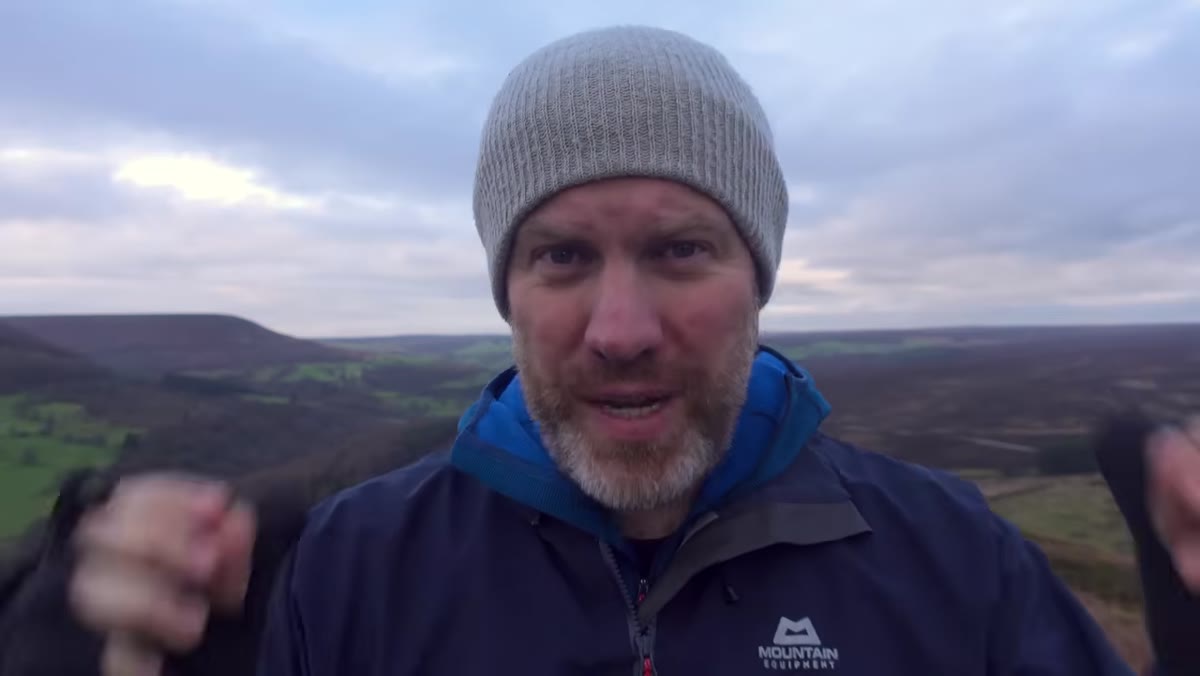 Adam speaking directly to camera about defensive versus offensive mindset
This is the step that will lose some people, and it’s also the most important one. Adam makes a sharp distinction between photographers who spend their energy playing defense, chasing stolen images, worrying about competitors, stressing over gear, and photographers who are on offense, making things, releasing things, building things.
Adam speaking directly to camera about defensive versus offensive mindset
This is the step that will lose some people, and it’s also the most important one. Adam makes a sharp distinction between photographers who spend their energy playing defense, chasing stolen images, worrying about competitors, stressing over gear, and photographers who are on offense, making things, releasing things, building things.
I have a standing rule in my studio: if I catch myself spending more than 20 minutes on a problem I can’t control, I redirect that time to one action I can control. Last year I was burning real hours every month agonizing over a competitor who kept undercutting my pricing. My husband, who does our books, finally showed me the data: her clients and my clients had almost zero overlap. I was playing defense against a threat that wasn’t actually hitting my revenue. Go on offense. Build something new instead.
Step 5: Create Relationships With Your Work, Not Just Transactions
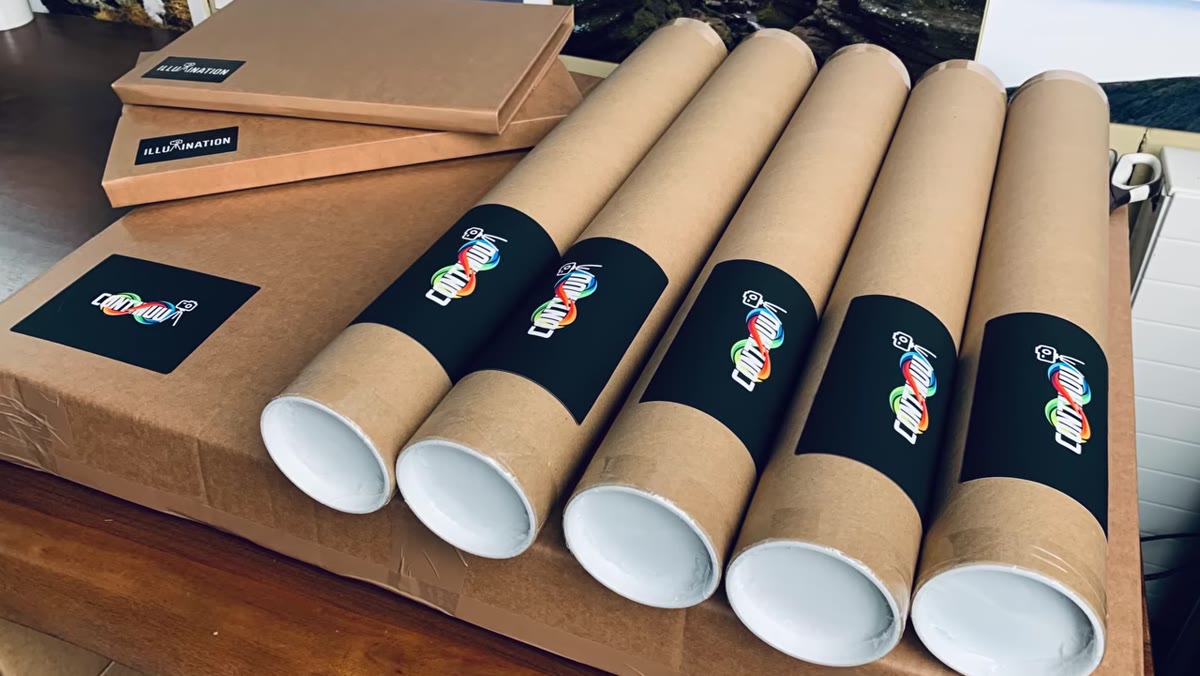 Adam describing the emotional value of shipping a print to a buyer
When Adam talks about shipping a print and how it’s “the most fulfilling thing” he does, he’s not being sentimental for the sake of it. He’s describing the difference between a business built on transactions and one built on meaning. That distinction has direct revenue implications.
Adam describing the emotional value of shipping a print to a buyer
When Adam talks about shipping a print and how it’s “the most fulfilling thing” he does, he’s not being sentimental for the sake of it. He’s describing the difference between a business built on transactions and one built on meaning. That distinction has direct revenue implications.
Photographers who treat client relationships as meaningful tend to get referrals, repeat bookings, and testimonials without having to ask awkwardly. My client experience checklist runs 47 items. Some of those items are logistics. A lot of them are about how the client feels at each stage. The photographers who struggle to build a business usually have the technical skills. What they’re missing is the habit of treating every delivery, every follow-up email, every gallery reveal as a moment that either deepens the relationship or lets it go flat.
What I’d Add From the Studio Side
Adam’s framework is built from the perspective of a solo fine art photographer. If you’re running a client-facing business, there’s one layer he doesn’t go into but that changes everything: your pricing has to account for time, not just product cost.
I doubled my income in one year by doing one thing. I stopped pricing based on what felt “reasonable” and started pricing based on what the work actually cost me to deliver, including my time, my overhead, and a margin I could actually live on. I had been afraid the numbers would scare clients off. They didn’t. The clients who left were the ones who were never going to be profitable anyway. Build your pricing on math first, perception second.
The single biggest takeaway from Adam’s tutorial is deceptively simple: build a body of work, build a market for it, and stay on offense. Whether you’re selling landscape prints or portrait albums, the photographers who make it aren’t necessarily the most talented ones. They’re the ones who kept creating and kept selling while everyone else was waiting for the perfect moment.
Watch the full tutorial on YouTube and then open a blank doc and write down one product you could be selling by the end of this month. Start there.
Comments
Leave a Comment