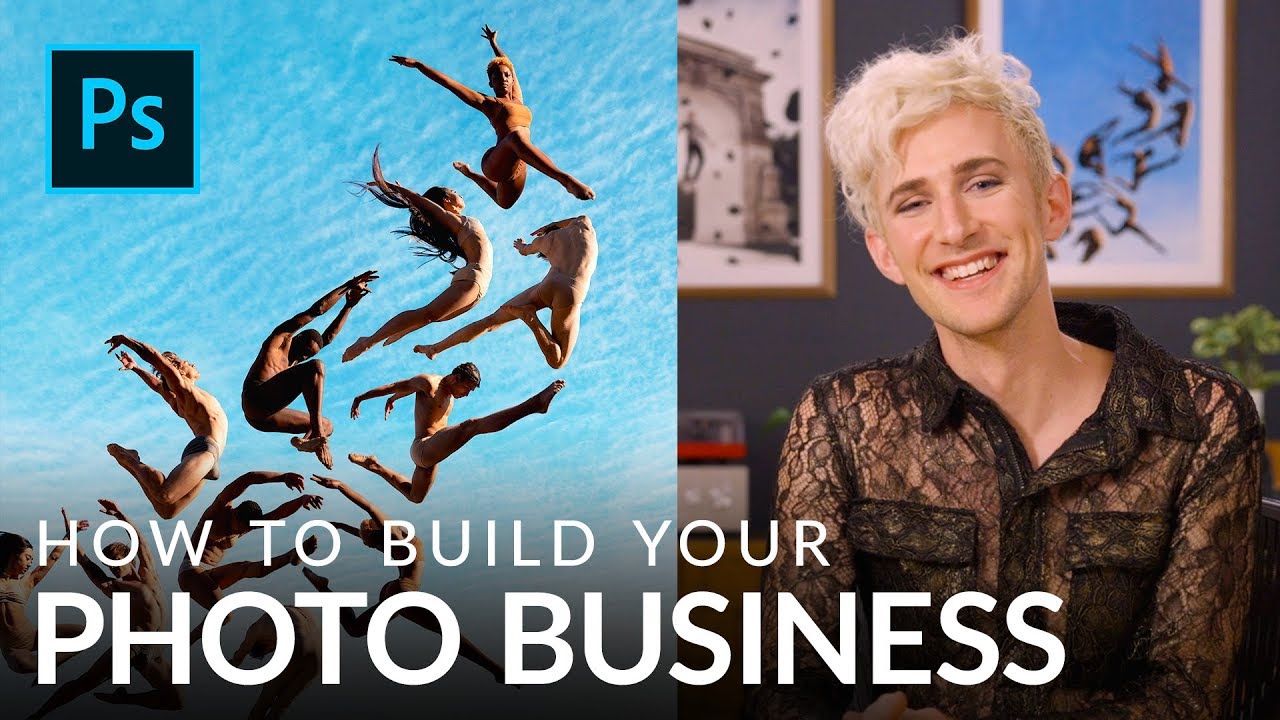
For years I watched photographers make the same exhausting mistake: they shot whatever paid, posted everything, and then wondered why their inbox kept filling up with inquiries for jobs they didn’t want. I ran my own version of that hamster wheel in my early years before I finally got ruthless about separating what I did for money from what I showed the world. So when I sat down with Watch the full tutorial on YouTube - this Aaron Nace (PHLEARN) interview with photographer Rob Woodcox - I felt like someone had finally said out loud the strategy I’d been fumbling toward on my own.
Woodcox is known for large-scale, visually arresting images that often feature groups of dancers in conceptual, socially conscious scenes. His work looks like it costs a fortune to produce and like he’s never once compromised his vision for a client’s budget. What the interview reveals is that the reality behind that image is far more practical and deliberate than the work suggests. He didn’t arrive there by only taking dream projects. He got there by being strategic about which work he made visible.
If you’re trying to attract better clients, raise your rates, or just stop feeling like your portfolio is a lie about what you actually want to shoot, this breakdown is for you.
Step 1: Start With Work That Has a Clear Personal Meaning
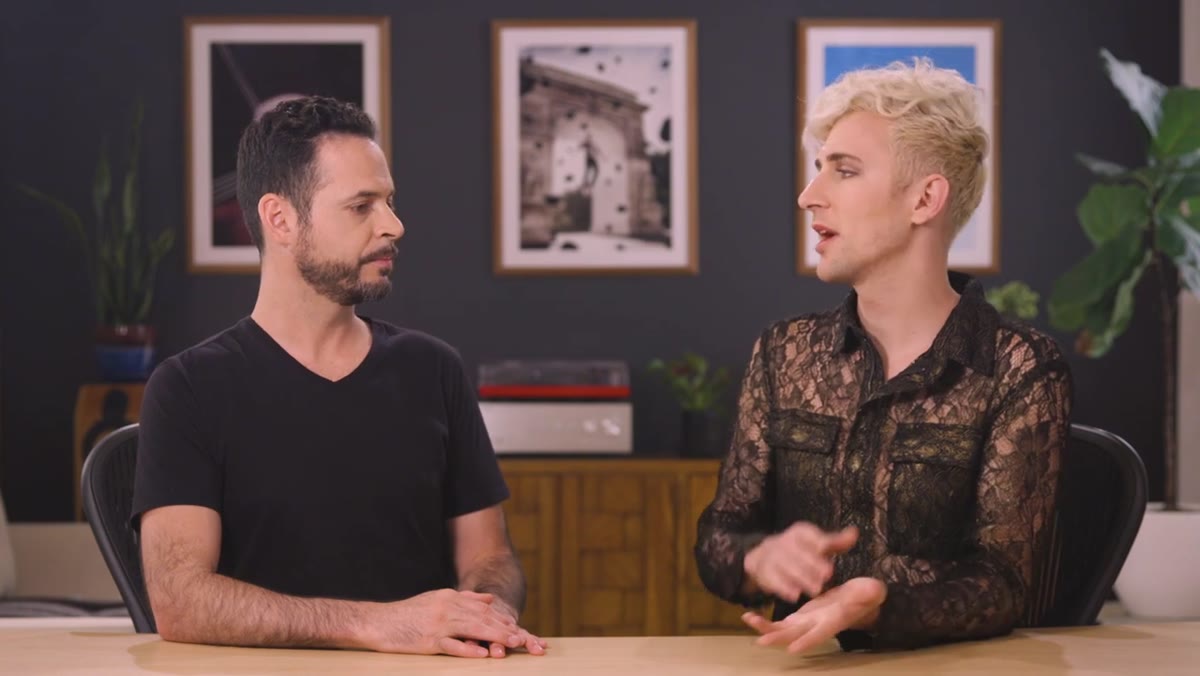 Rob describing the origin of his dancer series
Woodcox didn’t create his signature dancer series because he thought it would go viral or because a client asked for it. He created it because he was living in Portland during a politically charged period and wanted to make art that cut through noise rather than add to it. The first image in that series showed dancers lifting a woman above them - a visual metaphor for community and elevation.
Rob describing the origin of his dancer series
Woodcox didn’t create his signature dancer series because he thought it would go viral or because a client asked for it. He created it because he was living in Portland during a politically charged period and wanted to make art that cut through noise rather than add to it. The first image in that series showed dancers lifting a woman above them - a visual metaphor for community and elevation.
The lesson here is not “follow your passion” as generic advice. It’s that work born from a specific, genuine motivation reads differently than work made to impress. Audiences feel the difference. Before you start your next personal project, write one sentence that explains why this image needs to exist. If you can’t write that sentence, the project isn’t ready yet.
Step 2: Let Personal Work Carry Your Public Marketing
 Rob explaining how the dancer image took off on Instagram
After posting that first dancer image, Woodcox saw an immediate response on Instagram. He described feeling genuinely re-energized by his own work - something that had been missing. That energy translated directly into visibility and audience growth.
Rob explaining how the dancer image took off on Instagram
After posting that first dancer image, Woodcox saw an immediate response on Instagram. He described feeling genuinely re-energized by his own work - something that had been missing. That energy translated directly into visibility and audience growth.
Here’s the practical application: your personal work is your marketing engine, not your client work. Post the thing you made at 6am on a Saturday because you couldn’t sleep, not the corporate headshot session you delivered last Tuesday. Most photographers get this backwards. They assume clients want to see their professional assignments. What clients actually want is proof that you have a strong point of view, and personal work is the fastest way to demonstrate that.
Step 3: Take the Paying Jobs You Can Get - but Keep Your Head
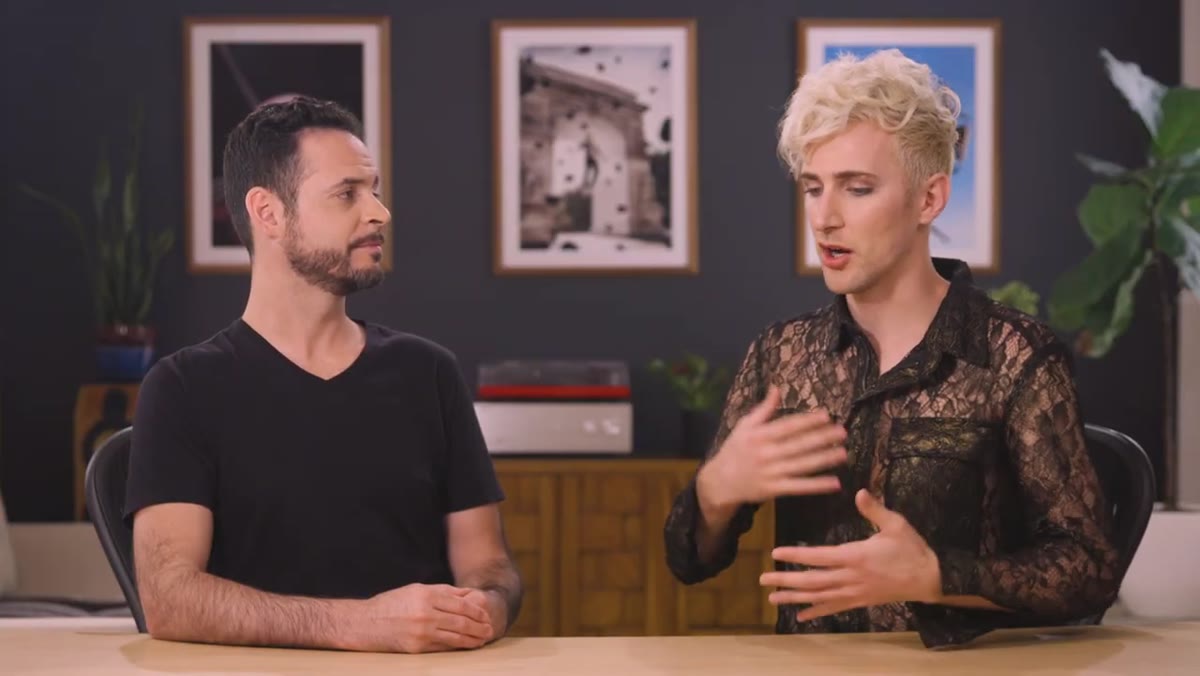 Rob discussing shooting weddings and other early work
Woodcox was direct about this: early in his career he shot weddings, events, and whatever came his way. He didn’t resent it. He framed every one of those jobs as practice - a way to build technical skill and income while he continued developing the work he actually wanted to be known for.
Rob discussing shooting weddings and other early work
Woodcox was direct about this: early in his career he shot weddings, events, and whatever came his way. He didn’t resent it. He framed every one of those jobs as practice - a way to build technical skill and income while he continued developing the work he actually wanted to be known for.
I doubled my income in a single year once I stopped treating every job category as either “beneath me” or “perfect for me” and started treating the income it generated as fuel for the work I was building toward. Take the job. Deliver excellent work. Cash the check. Just don’t let that job define what the world thinks you make.
Step 4: Be Deliberate About What You Do NOT Share
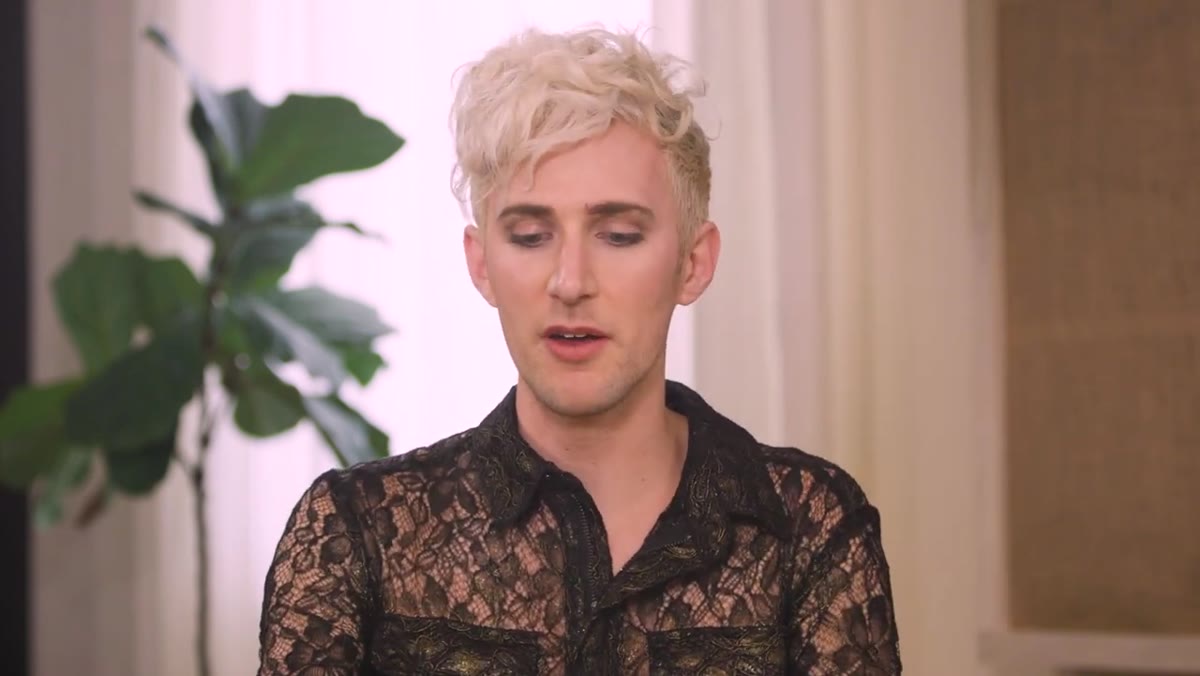 Rob explaining he delivered client work but didn’t post it
This is the step most photographers skip entirely. Woodcox was explicit: he did the wedding work, delivered it to clients, and then did not post it publicly. He kept showing only his personal conceptual work because that was the career he was building.
Rob explaining he delivered client work but didn’t post it
This is the step most photographers skip entirely. Woodcox was explicit: he did the wedding work, delivered it to clients, and then did not post it publicly. He kept showing only his personal conceptual work because that was the career he was building.
Think of your portfolio and social media feed as a promise to future clients about what you will create for them. Every image you post is a signal. If you post a mix of everything, you attract a mix of everything - and you end up booking a mix of everything. Curate with the same intensity you’d use to edit a gallery show. One strong, coherent body of work beats 300 images in five different styles every single time.
Step 5: Use Commercial Income to Fund the Personal Work
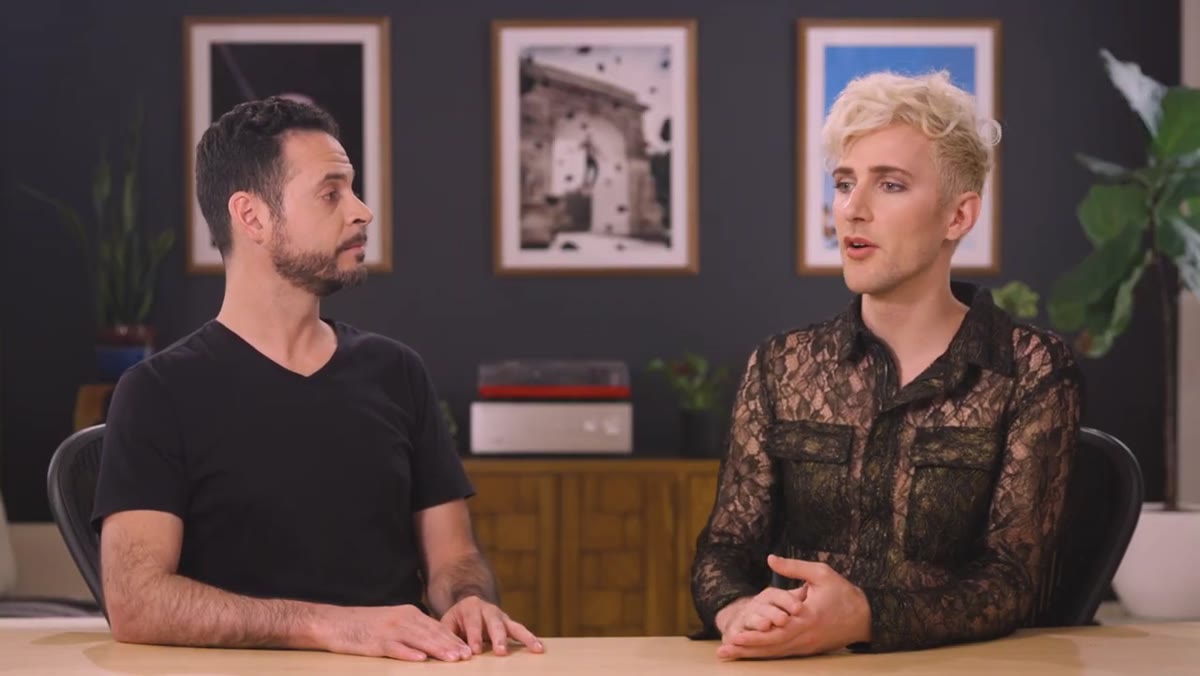 Rob describing how client checks fund personal art
Woodcox described a funding model that is simple but easy to overlook: commercial clients pay for his personal projects. A check from a major studio or brand doesn’t go toward lifestyle spending - it goes toward materials, locations, talent, and production costs for his next personal series.
Rob describing how client checks fund personal art
Woodcox described a funding model that is simple but easy to overlook: commercial clients pay for his personal projects. A check from a major studio or brand doesn’t go toward lifestyle spending - it goes toward materials, locations, talent, and production costs for his next personal series.
Build this into your pricing from the beginning. When you quote a commercial job, factor in a percentage you’re setting aside for personal project expenses. Even if it’s small at first - 5 percent, 10 percent - you’re creating a formal pipeline from client work to creative work. My husband, who manages our studio’s books, helped me realize early on that treating creative investment as a line item made it non-negotiable. It stops being “money I might spend on a personal project someday” and becomes “money already allocated to the work that grows my business.”
Step 6: Know That Clients Hire You Based on What You Show
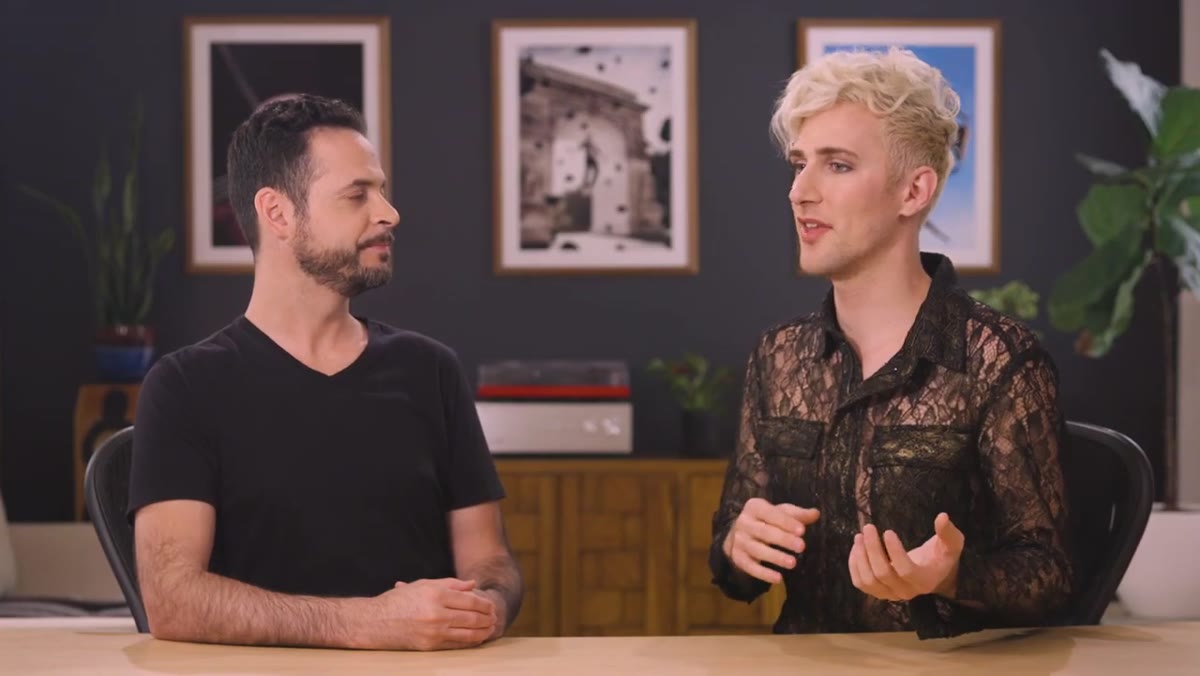 Rob noting that posting portraits leads to portrait inquiries
Woodcox made this observation matter-of-factly: the work you publish is the work you get hired to recreate. Post senior portraits, get senior portrait inquiries. Post large-scale conceptual imagery, get inquiries from brands and editorial clients who want that look.
Rob noting that posting portraits leads to portrait inquiries
Woodcox made this observation matter-of-factly: the work you publish is the work you get hired to recreate. Post senior portraits, get senior portrait inquiries. Post large-scale conceptual imagery, get inquiries from brands and editorial clients who want that look.
This isn’t just a marketing truism - it’s a career design tool. If you are unhappy with the clients currently in your inbox, look at what you’ve posted in the last 90 days. That’s your answer. Changing the work you show publicly is the single highest-leverage action you can take to change the type of work you’re offered.
One Thing I’d Add From My Own Studio
The framework Woodcox describes works beautifully once you have some commercial income coming in. Where it gets hard is the very early stage, when you have almost no client work yet and your personal work is still developing. My advice: don’t wait until your personal work is “good enough” to share it. Share the work at 80 percent of where you want it to be, and let the audience watch you improve. People invest in creative journeys, not just finished products. The photographers who grow the fastest on social media are often not the most technically polished - they’re the most consistent and the most transparent about their process.
The single most important idea in this interview is deceptively simple: what you show is what you become known for, so stop showing work that doesn’t represent who you’re trying to be. It costs you nothing to be selective about your public-facing portfolio, and the returns compound over time in ways that are hard to overstate.
Watch the full tutorial on YouTube to hear Woodcox walk through the thinking himself - Aaron Nace asks exactly the right follow-up questions, and the conversation goes deeper on the creative and emotional side of sustaining this kind of practice long-term.
Comments (4)
This should be required reading for anyone starting out.
Tried this technique this morning. Game changer for real.
Printing this out and pinning it next to my monitor. That good.
This saved me so much time on my last edit. Wish I'd found this sooner.
Leave a Comment