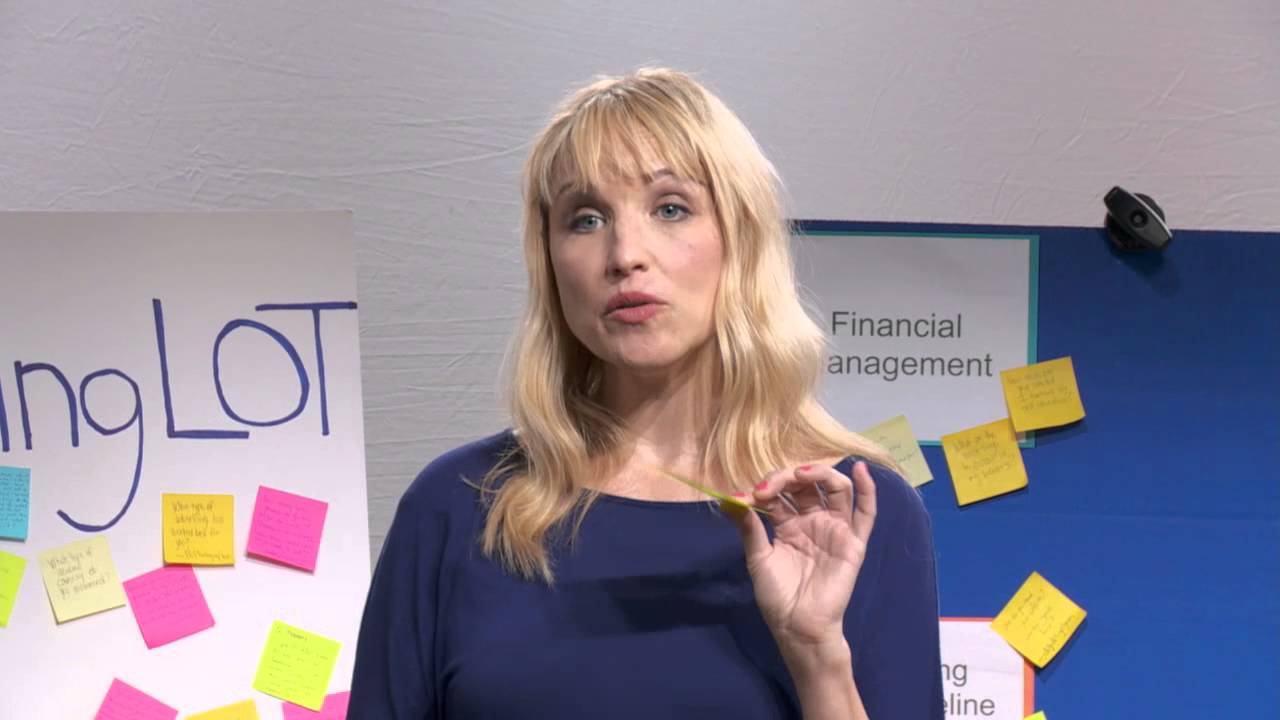
Every few years I hear from a photographer who has relocated, and the question is always the same: “How do I start over?” It’s one thing to build a client base in a city where you already have relationships, a reputation, and a referral network humming in the background. It’s another thing entirely to show up somewhere new with a camera bag and zero connections. I’ve watched photographers in that situation either hustle their way to a thriving studio or quietly give up because they didn’t have a clear plan of attack.
In this CreativeLive tutorial, Watch the full tutorial on YouTube, the instructor walks through exactly how he built a photography business from scratch after moving to Chapel Hill, North Carolina without knowing a single person in the city. His approach is practical, unglamorous, and it works. Below I’ve broken it down into the steps I’d hand to any photographer starting from zero.
What I appreciate most about his framework is that it doesn’t rely on social media algorithms or paid ads. It relies on showing up, being useful, and making yourself impossible to ignore in a local community. That’s a strategy that holds up regardless of what platform changes its rules next month.
Step 1: Build a Portfolio You’re Proud Of Before You Pitch Anything
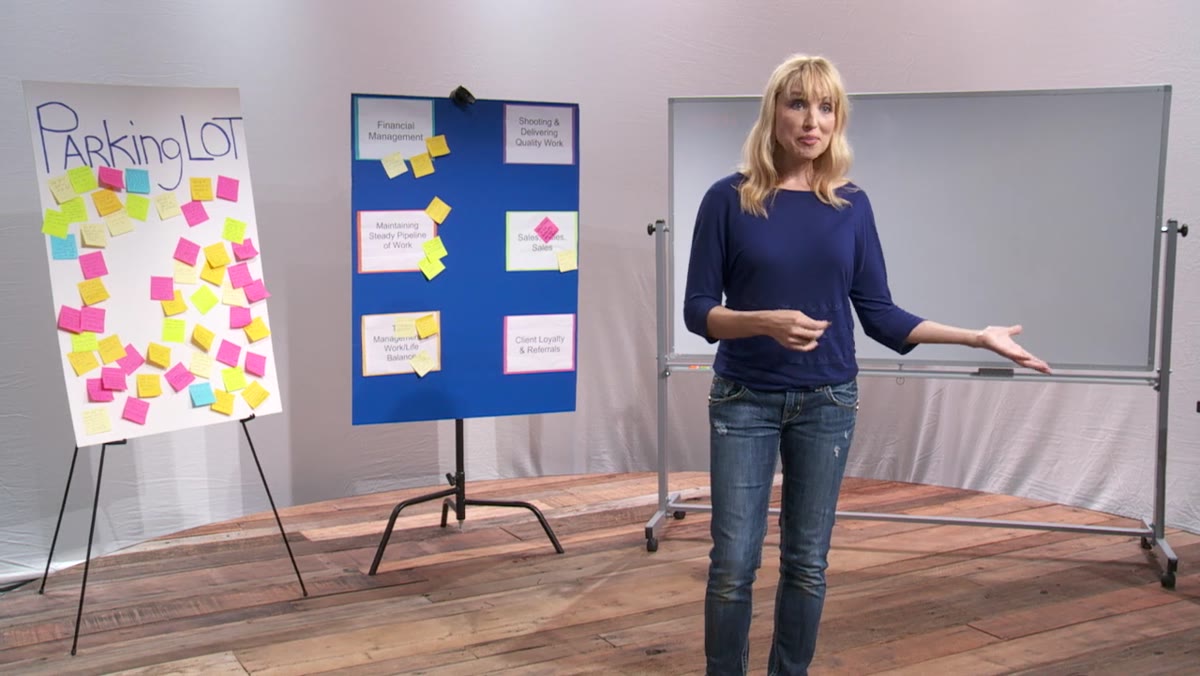 Photographer describing early portfolio work with neighbors
Before you can approach any business or community group, you need a portfolio that represents the kind of work you want to attract. The instructor’s starting point was photographing neighbors, neighbors’ friends, and even his own child. None of those sessions were paid. All of them were intentional. The goal wasn’t volume, it was having enough strong images to walk into a conversation with confidence.
Photographer describing early portfolio work with neighbors
Before you can approach any business or community group, you need a portfolio that represents the kind of work you want to attract. The instructor’s starting point was photographing neighbors, neighbors’ friends, and even his own child. None of those sessions were paid. All of them were intentional. The goal wasn’t volume, it was having enough strong images to walk into a conversation with confidence.
Keep this phase tight. You don’t need 200 images. You need 15 to 20 that are genuinely good and consistent in style. Shoot for the work you want to book, not just whatever is available. If you want to shoot family portraits, photograph families. If you want commercial work, build that side of the portfolio specifically.
Step 2: Join Community Organizations You Would Not Normally Consider
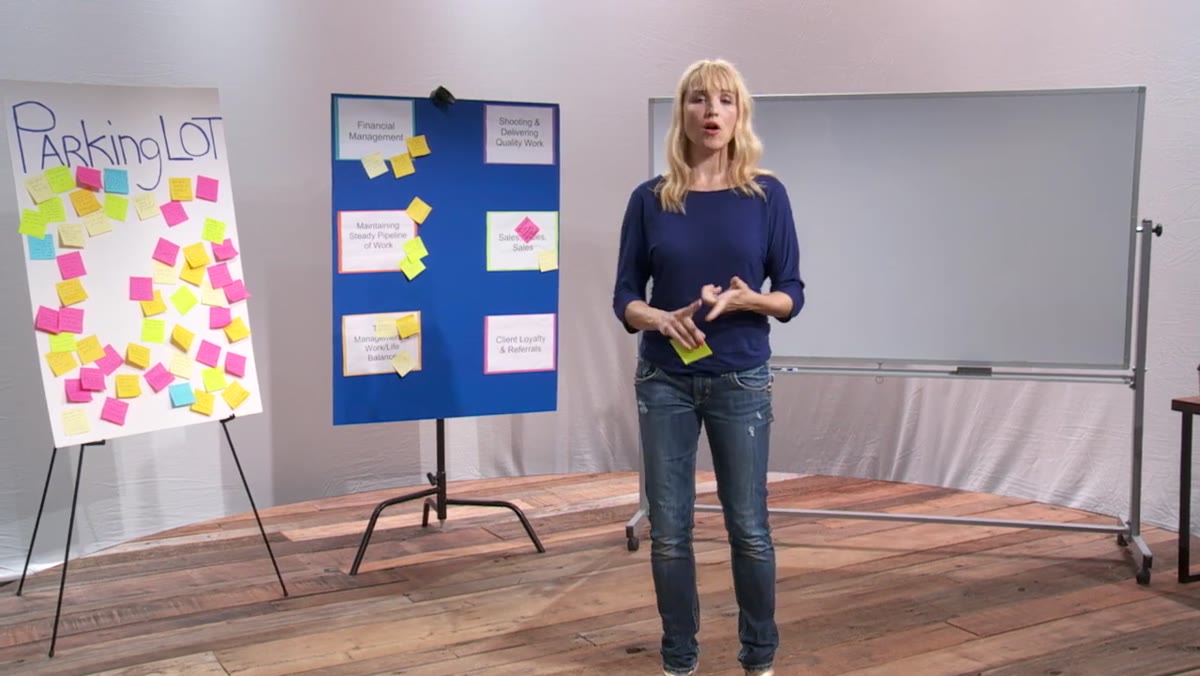 Instructor listing local groups like Chamber of Commerce and mothers’ groups
This is the step most photographers skip, and it’s the one that compounds fastest. The instructor joined the local Chamber of Commerce, two different mothers’ groups (one in Durham, one in Chapel Hill), and volunteered to help with newsletters in exchange for providing photographs. None of that is glamorous. All of it is effective.
Instructor listing local groups like Chamber of Commerce and mothers’ groups
This is the step most photographers skip, and it’s the one that compounds fastest. The instructor joined the local Chamber of Commerce, two different mothers’ groups (one in Durham, one in Chapel Hill), and volunteered to help with newsletters in exchange for providing photographs. None of that is glamorous. All of it is effective.
The logic is simple: these organizations already have the audience you want to reach. When you show up consistently and contribute real value, you become the photographer people in that group already know and trust. You are not cold-calling strangers. You are becoming a familiar face to exactly the kind of clients you are trying to find.
Step 3: Photograph Everything Early On, Then Narrow Later
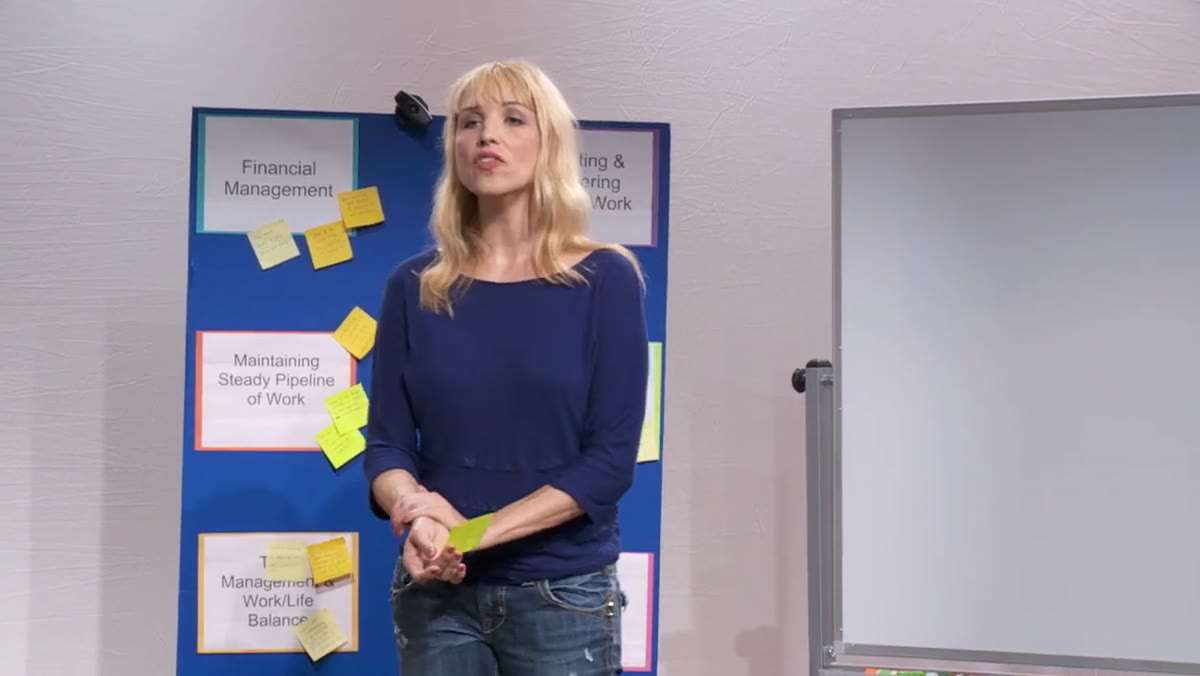 Instructor explaining his “land photographer” approach to booking any job
When you are brand new to a market, being selective about your niche is a luxury you haven’t earned yet. The instructor describes himself in that early phase as a “land photographer,” meaning he would shoot anything that wasn’t aerial or underwater. Real estate, product photography, portraits, events. He said yes to all of it.
Instructor explaining his “land photographer” approach to booking any job
When you are brand new to a market, being selective about your niche is a luxury you haven’t earned yet. The instructor describes himself in that early phase as a “land photographer,” meaning he would shoot anything that wasn’t aerial or underwater. Real estate, product photography, portraits, events. He said yes to all of it.
This approach serves two purposes. First, it generates income while you build toward specialization. Second, it puts you in rooms and in front of people you would never meet otherwise. The real estate agent who hired him for a listing shoot might have a sister who needs a family photographer. Cast wide, then narrow as your reputation grows and your calendar fills.
Step 4: Make Being Easy to Work With a Core Business Strategy
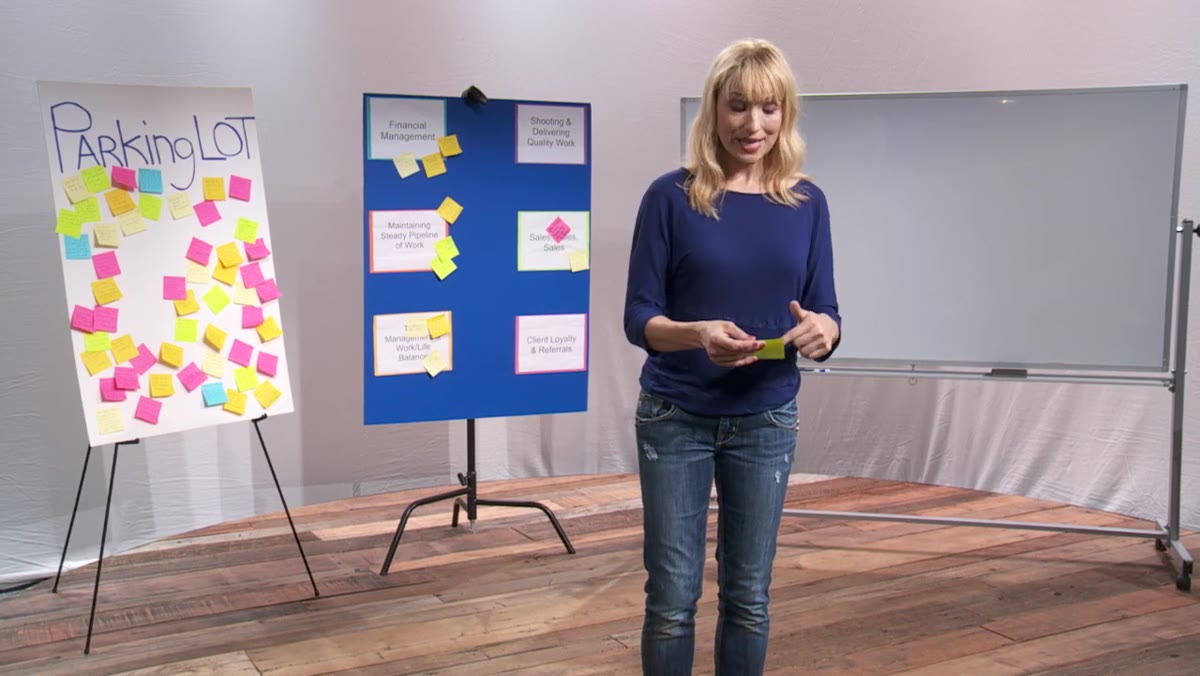 Instructor explaining that likability outperforms raw talent in client decisions
The instructor makes a point here that I think gets overlooked in most photography business advice: clients will choose a less talented photographer who is pleasant to work with over a more talented one who creates friction. Every single time. Because clients are not just hiring your images, they are hiring the experience of working with you.
Instructor explaining that likability outperforms raw talent in client decisions
The instructor makes a point here that I think gets overlooked in most photography business advice: clients will choose a less talented photographer who is pleasant to work with over a more talented one who creates friction. Every single time. Because clients are not just hiring your images, they are hiring the experience of working with you.
In practical terms this means returning emails promptly, showing up on time, being flexible when plans shift, and keeping your attitude steady when a shoot gets complicated. These are not soft skills. They are business skills. Track your client experience the same way you track your bookings and your revenue, because your reputation in a new city is built one interaction at a time.
Step 5: Partner With Businesses That Already Have Your Ideal Clients
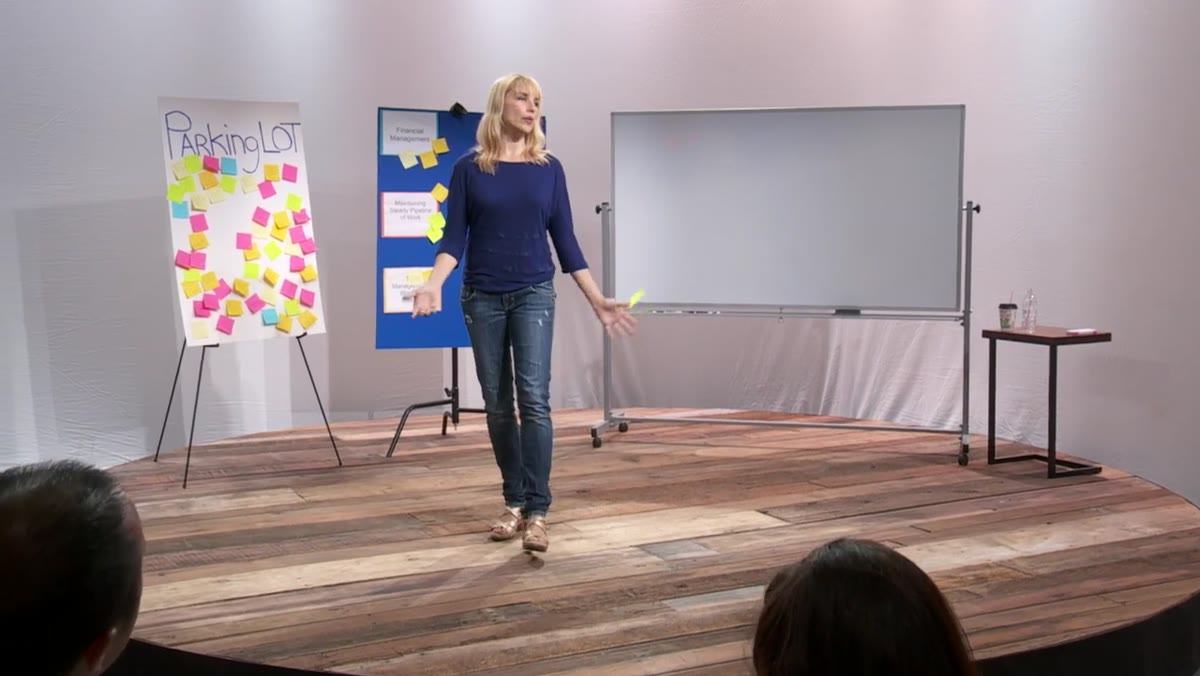 Instructor describing approaching local boutiques with gift session offers
Rather than walking into a local children’s boutique and asking to hang your work on the wall, the instructor suggests a different approach. Introduce yourself as a new photographer in the area and offer to give the business owner a gift they can pass along to their best clients: a free session, or a $150 to $200 credit toward a session. You are not asking them to promote you. You are handing them something valuable they can use to reward their own customers.
Instructor describing approaching local boutiques with gift session offers
Rather than walking into a local children’s boutique and asking to hang your work on the wall, the instructor suggests a different approach. Introduce yourself as a new photographer in the area and offer to give the business owner a gift they can pass along to their best clients: a free session, or a $150 to $200 credit toward a session. You are not asking them to promote you. You are handing them something valuable they can use to reward their own customers.
This is a meaningful distinction. You are adding value to their relationship with their clients rather than asking them to do marketing work for you. That framing removes the friction and makes it much easier for a business owner to say yes. Think about which businesses in your new city already serve your ideal clients, and approach every one of them with an offer that benefits their customers first.
What I’d Add From My Own Experience
The instructor’s advice is solid and I have seen it work. But there is one thing I’d layer on top of it: track everything from day one. When I was building my studio, I started logging where every inquiry came from. Within six months, the data made it obvious which community organizations were generating real clients and which were just taking up time.
If I were launching in a new city tomorrow, I would set up a simple spreadsheet on week one: every new contact, how I met them, whether they booked, and what they spent. It sounds like overkill when you are just getting started, but that data becomes your competitive advantage later. You stop guessing which networking events are worth your Saturday morning and start making decisions based on actual numbers. The photographers who build sustainable businesses are almost always the ones who treat their marketing like a system, not a feeling.
The single most important idea in this tutorial is that breaking into a new market is a relationship problem, not a talent problem. Your images get you in the door, but your consistency, your presence in the community, and your reputation for being easy to work with are what fill your calendar. Show up, contribute, be useful, and make working with you a genuinely good experience. The clients will follow.
Watch the full tutorial on YouTube to hear the full conversation, including additional ideas from Joy Bianchi Brown that the instructor references throughout.
Comments (4)
Finally someone explains this in a way that actually makes sense.
Tried this technique this morning. Game changer for real.
Simple but effective. Sometimes that's all you need.
Excellent tutorial. I'd add that from a lighting standpoint, this technique is incredibly versatile.
Leave a Comment