
I spent the first two years of my portrait studio booking anyone who would say yes. Budget mini sessions, last-minute gigs I wasn’t excited about, corporate headshots that paid the bills but drained me creatively. The work was fine. The income was inconsistent. And my portfolio was sending mixed signals to exactly the wrong clients. It wasn’t until I got honest about the gap between the work I was showing and the work I wanted to book that things started to shift.
That’s why this tutorial from Mango Street hit so close to home. Watch the full tutorial on YouTube before or after reading this breakdown. In it, Rachel and Daniel walk through the three-part system they used to move from shooting whatever came their way to consistently booking the clients and creative projects they actually wanted. The framework is simple on the surface, but the execution details are where most photographers skip steps. I’m going to fill those in.
Step 1: Invest in Styled Shoots to Build the Portfolio You Don’t Have Yet
 Portfolio examples from weddings, engagements, and styled shoots
The problem most photographers face is circular: you can’t book the work you want because you don’t have portfolio samples of it, and you can’t get the samples without booking the work. Styled shoots are how you break that loop. A styled shoot is one you organize and fund yourself, where you control every creative decision, the model, the location, the wardrobe, the mood. It’s not working for free. It’s investing in your own marketing.
Portfolio examples from weddings, engagements, and styled shoots
The problem most photographers face is circular: you can’t book the work you want because you don’t have portfolio samples of it, and you can’t get the samples without booking the work. Styled shoots are how you break that loop. A styled shoot is one you organize and fund yourself, where you control every creative decision, the model, the location, the wardrobe, the mood. It’s not working for free. It’s investing in your own marketing.
Mango Street was explicit about this: they paid out of pocket for trips and model fees specifically to build the kind of portfolio that would attract better clients. I’ve done the same thing. My first luxury portrait session came directly off the back of a styled editorial I shot on a Sunday afternoon with a borrowed dress and a friend who modeled for trade. That image still books clients today. Treat the cost of a styled shoot like an advertising expense, because that’s exactly what it is.
Step 2: Be Ruthless About What Goes in Your Portfolio
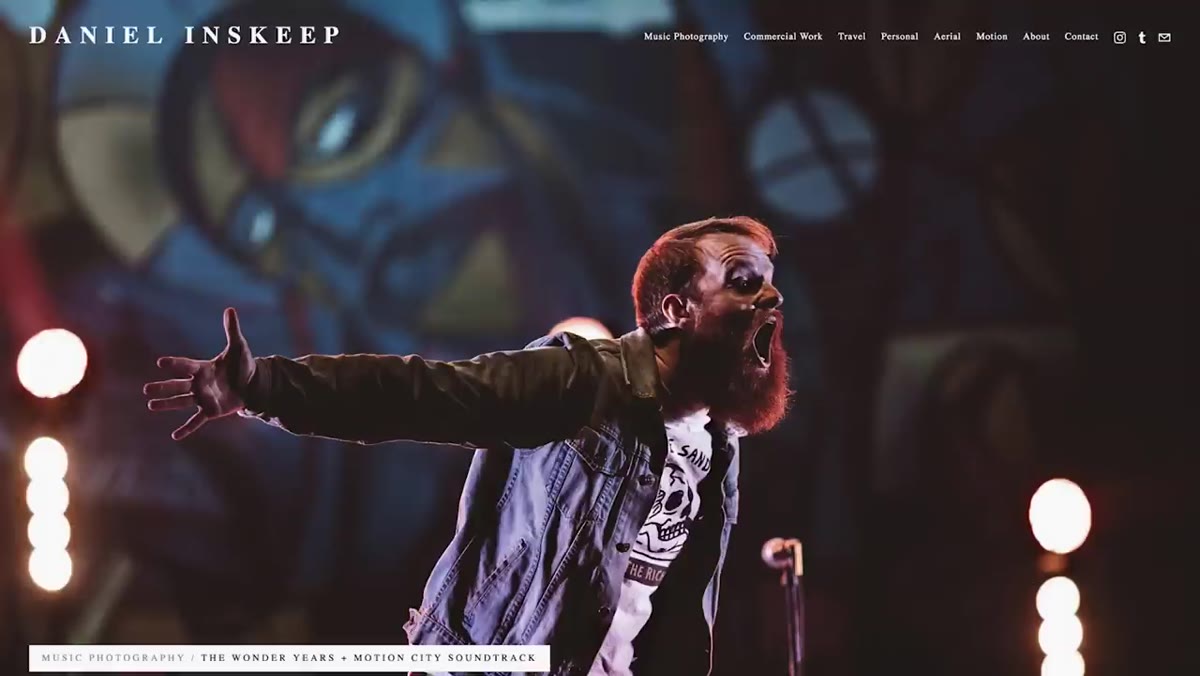 Advice on being selective with portfolio work
Every photo you publish is a client brief you’re sending into the world. Show a muddy backyard session you shot in bad light for a low-budget client, and you will attract more of those. The tutorial makes this point plainly: only show what you want to shoot more of. That means gigs you were proud of but that don’t fit your current direction get left out, even if the client loved the images.
Advice on being selective with portfolio work
Every photo you publish is a client brief you’re sending into the world. Show a muddy backyard session you shot in bad light for a low-budget client, and you will attract more of those. The tutorial makes this point plainly: only show what you want to shoot more of. That means gigs you were proud of but that don’t fit your current direction get left out, even if the client loved the images.
You can still deliver full galleries to clients through unlisted pages or password-protected links. That’s a professional solution that keeps clients happy without polluting your public-facing work. I have a rule in my studio: nothing goes on my website or Instagram without passing a single question. “Does this represent the client I want to book next?” If the answer is no, it doesn’t go up. It sounds harsh until you realize how directly your portfolio controls your inquiry quality.
Step 3: Do Spec Work to Get Attention From Brands You Want to Work With
 Describing the mock Instagram profile pitch method
This is the step that separates photographers who get responses from those who get ignored. Mango Street described a technique that takes real effort: identify a mid-sized brand you genuinely like, shoot six to nine product images that fit their aesthetic, then mock up what their Instagram feed would look like with your photography in it. You’re not just telling them you can help. You’re showing them exactly what they’d be getting.
Describing the mock Instagram profile pitch method
This is the step that separates photographers who get responses from those who get ignored. Mango Street described a technique that takes real effort: identify a mid-sized brand you genuinely like, shoot six to nine product images that fit their aesthetic, then mock up what their Instagram feed would look like with your photography in it. You’re not just telling them you can help. You’re showing them exactly what they’d be getting.
The extra work signals something most cold emails never do: that you paid attention, that you did your homework, and that you actually care about their brand. One recipient told them it was the fastest they’d ever responded to a pitch email. That’s the power of specificity over volume. I’ve used a version of this for portrait clients, putting together a one-page PDF with a mood board tailored to their brand before the first call. Response rates are night and day compared to generic inquiry follow-ups.
Step 4: Cold Email Social Media Managers at Brands You Want to Shoot
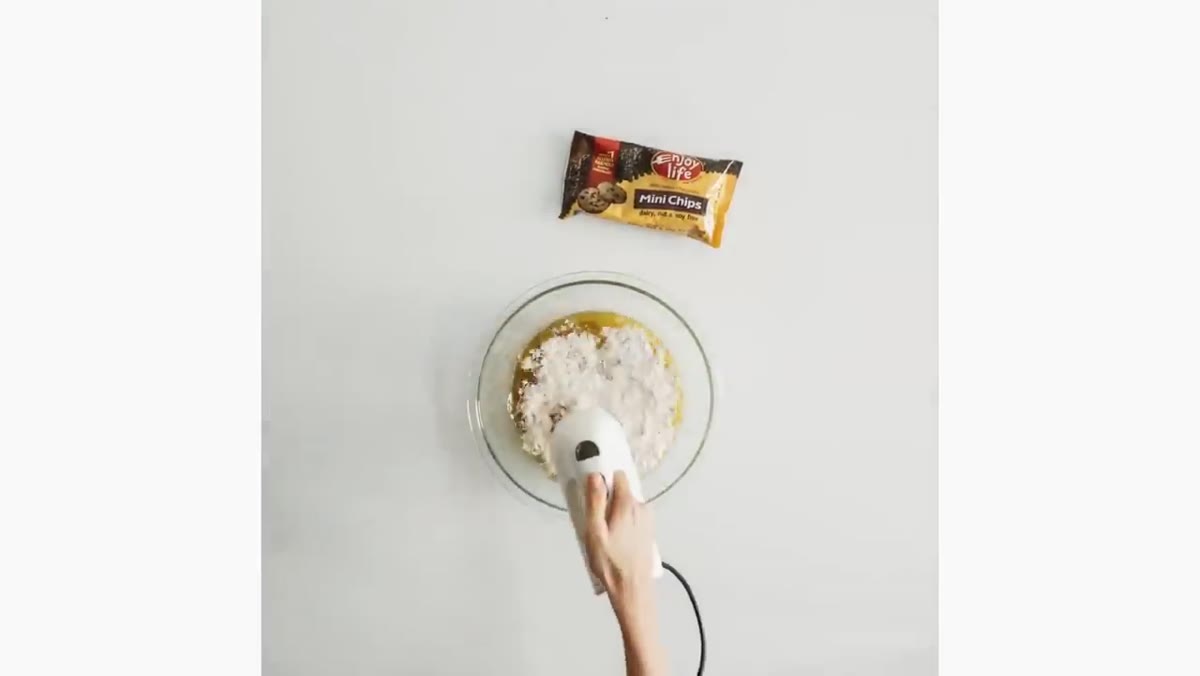 Cold emailing social media managers as an alternative approach
The second outreach strategy in the tutorial targets a specific person inside a company: the social media manager. This is smart targeting. At small to mid-sized companies, social media managers are often responsible for content creation without the budget, time, or skill set to produce it consistently. They are actively looking for solutions, which means a well-placed email from a photographer who understands their problem lands differently than one addressed to a generic info@ inbox.
Cold emailing social media managers as an alternative approach
The second outreach strategy in the tutorial targets a specific person inside a company: the social media manager. This is smart targeting. At small to mid-sized companies, social media managers are often responsible for content creation without the budget, time, or skill set to produce it consistently. They are actively looking for solutions, which means a well-placed email from a photographer who understands their problem lands differently than one addressed to a generic info@ inbox.
Keep the pitch focused on their pain, not your credentials. Something like: “I noticed your product content has been inconsistent lately. I specialize in lifestyle photography for brands in your space and I’d love to show you what a monthly shoot could look like.” Short, specific, useful. Include one relevant portfolio link, not a link to your entire website. The easier you make it for them to see your value, the more likely you are to get a reply.
What the Tutorial Doesn’t Cover (But You Need to Know)
The Mango Street framework gets you in the door. What happens after the inquiry is where a lot of photographers lose the client anyway. My 47-item client experience checklist exists because I once lost a $5,000 portrait client due to a contract that was vague about usage rights. By the time the confusion surfaced, the relationship was already damaged. The client walked.
Styled shoots and strong outreach build your pipeline. But you need a clear onboarding process to close it. That means a contract that spells out deliverables, a defined communication timeline, and a welcome email that sets expectations before the shoot. If your backend is sloppy, a great portfolio and a clever pitch only get you so far. Lock down your process with the same energy you put into your images.
The single most important insight from this tutorial is one that sounds obvious until you actually audit your own portfolio: your work attracts your next client. If your public-facing images don’t represent the exact work you want to be hired for, you are actively marketing against yourself. Fix that first, then build the outreach strategy around it.
Watch the full tutorial on YouTube and pay close attention to the spec work section. It’s the most underused tactic in the video and the one most likely to generate a response if you’re trying to break into a new niche or land a brand client for the first time.
Comments (1)
Clear and practical. No fluff. Appreciate that.
Leave a Comment