I track my studio numbers the way some people track their fitness goals. Conversion rates, average session value, repeat client percentage - I have a spreadsheet for all of it. So when I noticed last quarter that nearly 60% of my revenue was still coming from one-time sessions, it bothered me more than it probably should have. The income was good. The stability wasn’t. I’d built something that required me to keep hunting, every single month, just to maintain the same position.
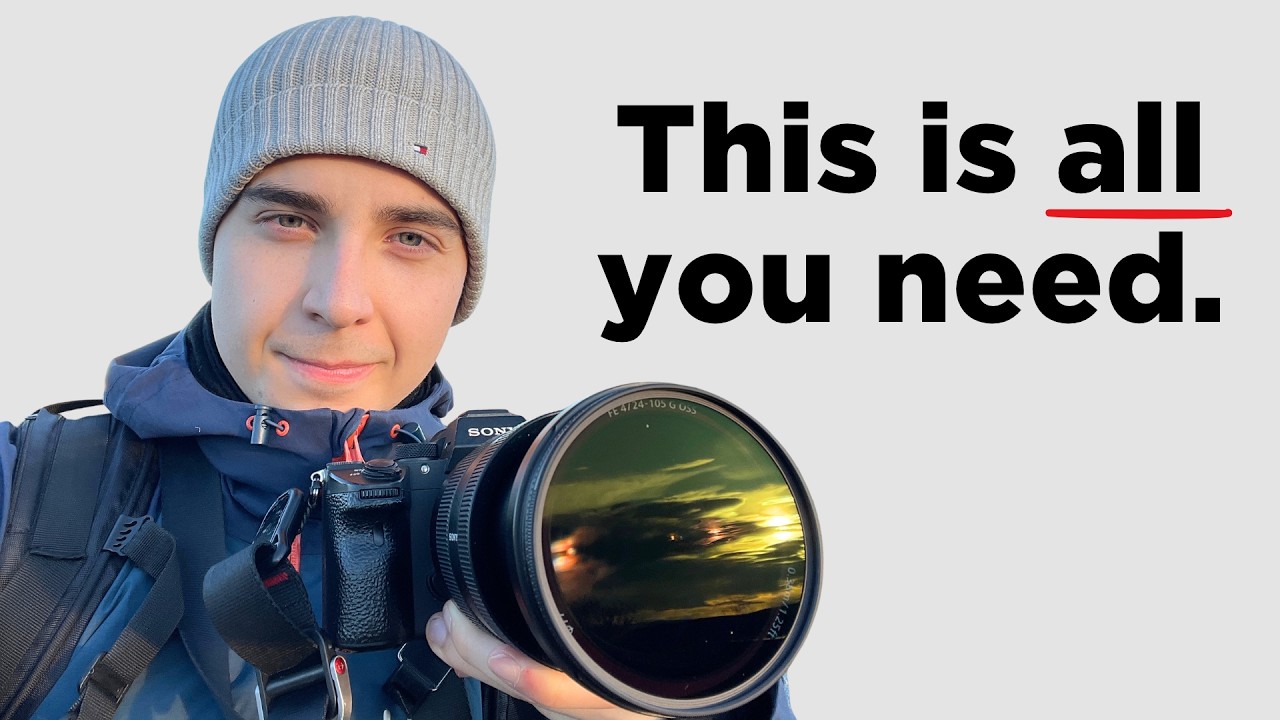
That’s when I came across this Hugo Korhonen tutorial on building a full-time photography business without weddings, and a few things he said stopped me mid-scroll. Watch the full tutorial on YouTube before you read further if you want the full picture - but if you want the framework distilled with some real-world context layered in, keep reading.
The Hunting vs. Farming Problem Most Photographers Never Name
Korhonen draws a clear line between two ways of running a creative business. Hunting means you’re constantly out looking for new clients - each month resets to zero and you scramble to fill it. Farming means you’ve planted relationships that grow over time and pay you repeatedly without starting from scratch every 30 days.
Most photographers, myself included at earlier stages, default to hunting because that’s how the industry is structured. Weddings, family portraits, senior sessions - they’re all one-and-done by nature. The client gets their photos, you deliver, and you both move on. That model isn’t broken, but it has a ceiling, and the ceiling is your own calendar.
The reframe Korhonen offers is straightforward: sell to businesses instead of individuals. Businesses have recurring content needs. They need updated brand photos, product shots, social media content, campaign visuals. That need doesn’t go away after one session. It renews.
Why the “Creative Director” Title Changes What Clients Pay You
This is the part of the video I found most useful, because it goes beyond just “shoot for brands.” Korhonen makes the case that positioning yourself as a Creative Director rather than a photographer shifts the entire conversation about price and value.
A photographer gets hired to execute someone else’s vision. A Creative Director gets hired to develop and lead the visual strategy. The deliverable looks similar on the surface - you’re still producing images - but the perceived value and the scope of the engagement are completely different. When you’re advising on how a brand should look and feel across all their content, not just delivering a gallery of JPEGs, you become much harder to replace with a cheaper option or, yes, an AI tool.
The practical implication is that you need to build what Korhonen calls visual storytelling skills. That means studying brand identity, understanding how images communicate a specific message to a specific audience, and being able to articulate that strategy back to a client in a meeting. It’s not enough to shoot well. You need to show up with a point of view about why their content looks the way it does and what it should accomplish.
Building the Offer That Creates Recurring Revenue
The offer structure Korhonen outlines is worth slowing down on. Rather than pitching a one-time shoot, you pitch a monthly or quarterly retainer that covers an ongoing content need. The business gets consistent, on-brand visuals without having to rebook and re-explain their brand every few months. You get predictable income.
He breaks the outreach approach into four client acquisition channels: direct outreach, referrals, content you publish, and paid advertising. He’s clear that you don’t need all four at once - especially when you’re starting out or rebuilding - but you do need to understand all four so you can choose the right one for where you are. For most photographers in smaller markets, direct outreach combined with consistent content posting is the most accessible starting point. The outreach works faster. The content builds long-term visibility.
The natural selling piece he covers is worth noting too. The goal isn’t to pitch aggressively. It’s to have enough conversations with the right businesses that the offer makes obvious sense to them. When your positioning is tight and you’re talking to companies that genuinely need what you do, the sale becomes a logical next step, not a persuasion exercise.
Where I’d Push Back Slightly
The framework is solid, and I’d adopt most of it. My one honest pushback is on how quickly he moves past the brand-building section. He’s right that a strong personal brand brings inbound clients to you, but building that brand takes longer than most people want to admit, especially if you’re in a market like Miami where there’s real competition for business clients.
My own experience shifting toward higher-value commercial work taught me that the brand matters enormously, but what gets you in the door faster is a very specific niche. The more precisely you can say “I work with wellness brands to create content that converts on Instagram,” the shorter the sales conversation becomes. Generic “brand photographer” positioning puts you back in a comparison-shopping situation where price becomes the deciding factor. Korhonen gestures at this but I think it deserves more weight.
The One Thing to Take Away From This
If your photography income depends entirely on new clients every month, you don’t have a business yet - you have a job you’re constantly re-interviewing for. The shift toward recurring business clients, positioned through a Creative Director lens, is the most direct path I’ve seen to changing that equation.
Watch the full tutorial on YouTube for the complete framework, including how Korhonen walks through what a Creative Director engagement actually looks like day to day.
Comments (6)
I've watched a dozen tutorials on this and yours is the clearest by far.
Really solid breakdown. This pairs perfectly with the workflows work I've been writing about.
Tried this technique this morning. Game changer for real.
Quality content like this is rare. Keep it up.
Applied this to my portfolio shots and the improvement is noticeable.
Finally someone explains this in a way that actually makes sense.
Leave a Comment