
I run a 47-item client experience checklist. Yes, forty-seven items. My studio manager thinks I’m obsessive. My husband, who handles our books, thinks it’s the reason our referral rate sits above 60 percent. He’s probably right. I built that checklist because I learned, the hard way, that getting a client is only half the job. What you do with that client determines whether you ever need to run a paid ad again.
That’s why this Jessica Kobeissi tutorial stopped me mid-scroll. Watch the full tutorial on YouTube. She frames it as intermediate-level advice, the stuff that comes after you’ve landed your first booking and you’re staring at your inbox wondering what comes next. It’s not glamorous content. There are no lighting diagrams or gear lists. But for where most photographers get stuck, it’s exactly the right conversation to be having.
What Jessica is really teaching here is a client pipeline mindset. Your current clients are not just a source of income. They are, if you treat them right, your most effective future marketing. The steps below break down her framework into actions you can put in place this week.
Step 1: Recognize That You Are Now in a Critical Growth Window
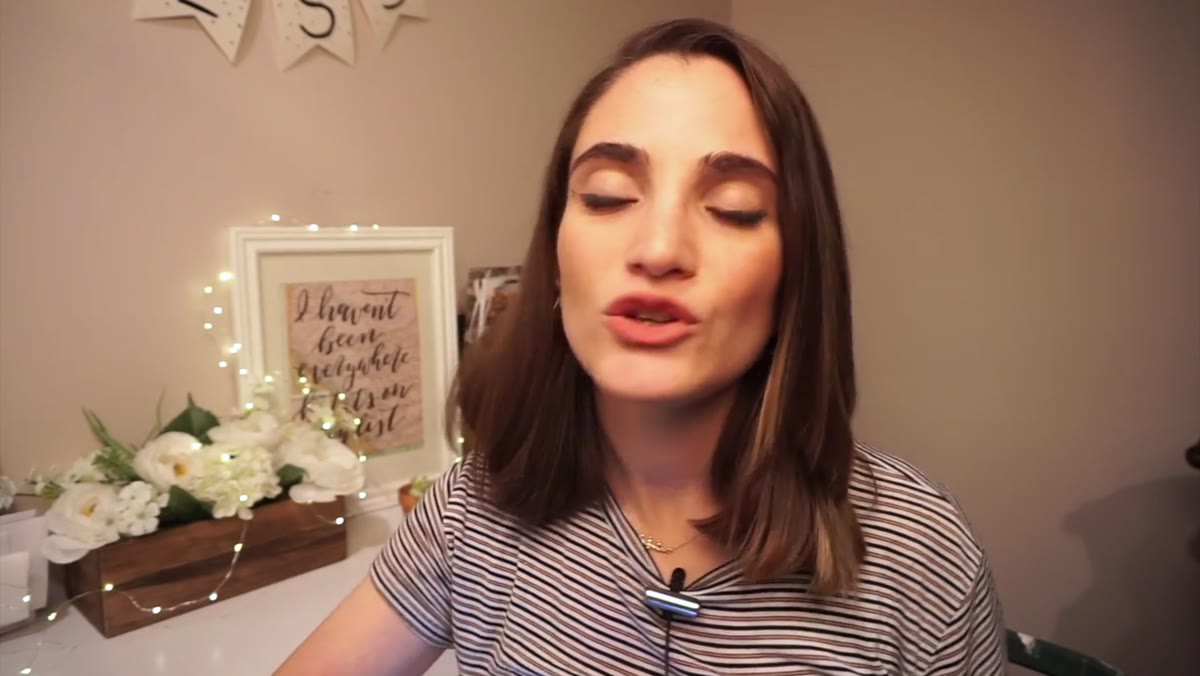 Jessica explaining the “building momentum” stage to camera
Once you have one or two clients booked, something shifts. You’re no longer just trying to get someone, anyone, to say yes. You’re building a reputation, and that reputation is forming whether you’re paying attention to it or not. Jessica calls this the level-two stage, the point where momentum exists but can easily stall if you don’t handle it carefully.
Jessica explaining the “building momentum” stage to camera
Once you have one or two clients booked, something shifts. You’re no longer just trying to get someone, anyone, to say yes. You’re building a reputation, and that reputation is forming whether you’re paying attention to it or not. Jessica calls this the level-two stage, the point where momentum exists but can easily stall if you don’t handle it carefully.
The practical move here is to stop treating early clients as a trial run. Every booking, no matter how small the budget or how informal the connection, is a live audition for your next ten clients. Approach each one with the same preparation and energy you’d bring to your highest-paying shoot.
Step 2: Stop Spending Money on Ads and Invest in Client Experience Instead
 Jessica listing paid promotion methods that underperform word of mouth
Jessica is direct about this: Facebook promotions, sponsored Instagram posts, and discount coupons are not where your marketing energy should go right now. Word of mouth is. She credits referrals and organic Instagram discovery as the two primary sources of her own client base, and that tracks with what I see in my own studio numbers.
Jessica listing paid promotion methods that underperform word of mouth
Jessica is direct about this: Facebook promotions, sponsored Instagram posts, and discount coupons are not where your marketing energy should go right now. Word of mouth is. She credits referrals and organic Instagram discovery as the two primary sources of her own client base, and that tracks with what I see in my own studio numbers.
Before you spend another dollar on a boosted post, ask yourself whether your last three clients left their sessions feeling genuinely taken care of. If you can’t answer that with confidence, the ad spend will just amplify an inconsistent experience. Fix the experience first. The referrals will follow.
Step 3: Treat Every Client Like a Friend, Not a Transaction
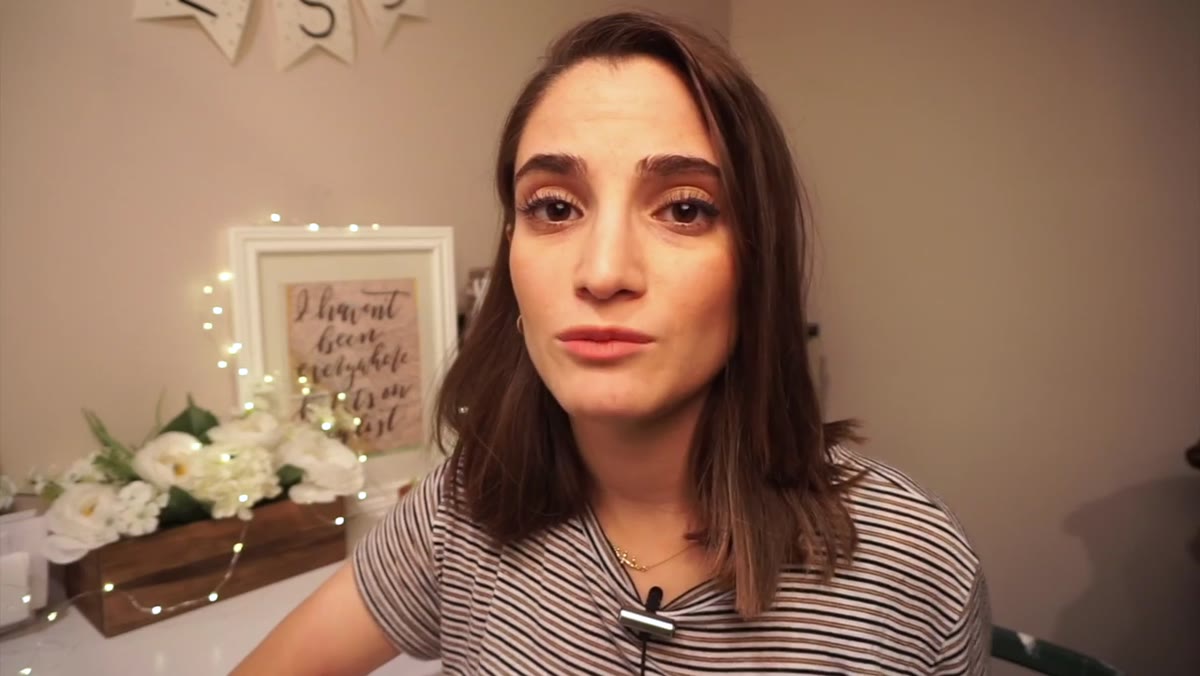 Jessica describing treating clients with genuine care and professionalism
This is where Jessica’s advice gets specific in a way that’s easy to underestimate. She doesn’t mean be casually unprofessional or skip the boundaries that make a business run. She means bring warmth, genuine interest, and personal attention to every interaction. Listen when a client tells you they want a particular shot. Remember that if it’s an engagement session, this moment matters enormously to them.
Jessica describing treating clients with genuine care and professionalism
This is where Jessica’s advice gets specific in a way that’s easy to underestimate. She doesn’t mean be casually unprofessional or skip the boundaries that make a business run. She means bring warmth, genuine interest, and personal attention to every interaction. Listen when a client tells you they want a particular shot. Remember that if it’s an engagement session, this moment matters enormously to them.
In my studio, I send a short questionnaire before every portrait session asking about the client’s comfort level, any insecurities they’d like me to be aware of, and one or two shots they’re hoping to walk away with. That information shapes how I direct the shoot. Clients notice when you’ve done that homework, and they tell people.
Step 4: Understand That a Bad Experience Outlasts Beautiful Photos
 Jessica describing clients telling friends about negative photographer experiences
Here’s the part that should make every photographer a little uncomfortable. Jessica shares that she hears regularly from friends who hired photographers, loved the final images, and still wouldn’t recommend that photographer because the session itself felt dismissive or stressful. The photos were great. The experience was not. That photographer lost every referral those clients might have sent.
Jessica describing clients telling friends about negative photographer experiences
Here’s the part that should make every photographer a little uncomfortable. Jessica shares that she hears regularly from friends who hired photographers, loved the final images, and still wouldn’t recommend that photographer because the session itself felt dismissive or stressful. The photos were great. The experience was not. That photographer lost every referral those clients might have sent.
This is not hypothetical. Beautiful work is the floor, not the ceiling. Clients expect the photos to be good. What they talk about to their friends is how you made them feel during the process. If someone asked for a specific shot and you didn’t get it, that becomes the story. Make sure you’re not the photographer in someone else’s cautionary tale.
Step 5: Build a Simple System to Capture Feedback and Follow Up
 Jessica emphasizing that each client interaction defines your reputation
Jessica doesn’t get into specific tools here, but the implication is clear: you need to be intentional about closing the loop with clients after the shoot. A professional follow-up is not just a nice touch. It’s an opportunity to catch any dissatisfaction before it becomes a negative review, and to make happy clients feel seen enough that they’ll actually bring you up in conversation.
Jessica emphasizing that each client interaction defines your reputation
Jessica doesn’t get into specific tools here, but the implication is clear: you need to be intentional about closing the loop with clients after the shoot. A professional follow-up is not just a nice touch. It’s an opportunity to catch any dissatisfaction before it becomes a negative review, and to make happy clients feel seen enough that they’ll actually bring you up in conversation.
My own follow-up sequence is simple. Within 48 hours of delivering a gallery, I send a short email checking in on how the client feels about the images. I include a gentle prompt asking if they know anyone who might be planning a shoot. I don’t beg or discount. I just open the door. About one in four clients responds with a name.
Step 6: Protect Your Reputation by Being Consistent, Not Perfect
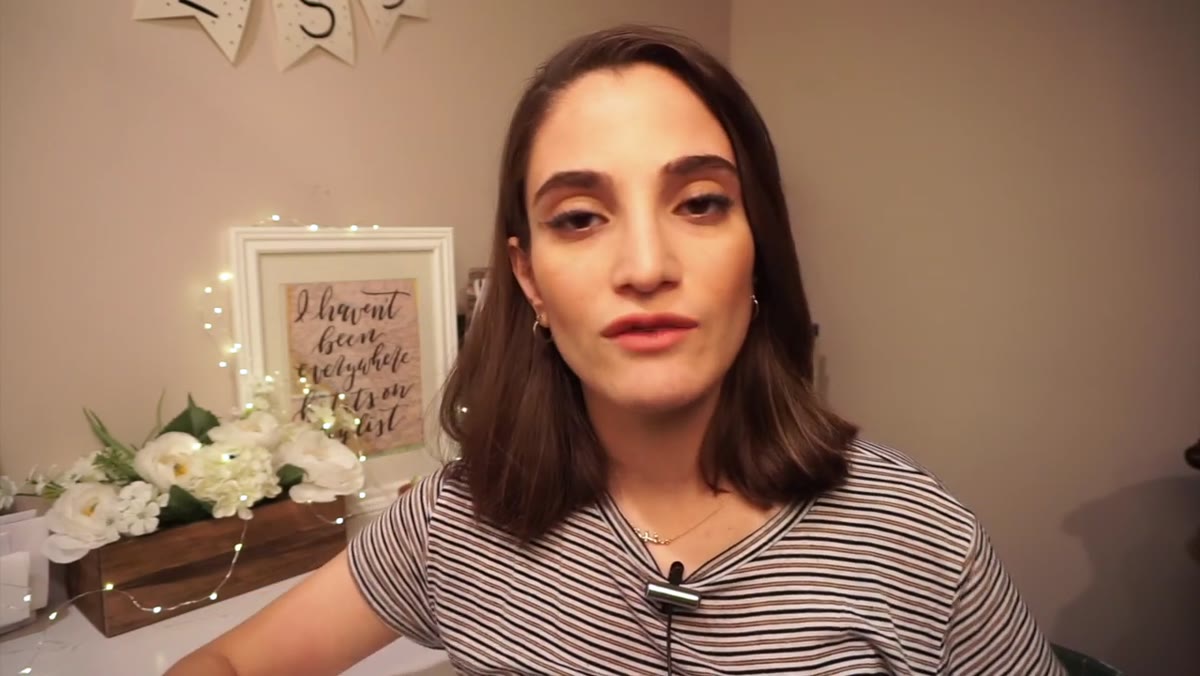 Jessica noting that some clients are harder than others but consistency matters
Jessica makes an important distinction late in the video: you don’t have to be flawless every single time. Difficult clients exist. Not every session will flow smoothly. What you can control is your baseline standard of professionalism and care, and that consistency is what your reputation is actually built on.
Jessica noting that some clients are harder than others but consistency matters
Jessica makes an important distinction late in the video: you don’t have to be flawless every single time. Difficult clients exist. Not every session will flow smoothly. What you can control is your baseline standard of professionalism and care, and that consistency is what your reputation is actually built on.
This means having a process, not just good intentions. Know what your pre-session communication looks like. Know how you handle requests you can’t fulfill. Know what you say when a client is unhappy. If you’re improvising all of that in the moment, you’ll be inconsistent, and inconsistency is what generates the kind of mixed word-of-mouth that stalls a photography business at two clients instead of growing it to twenty.
What I’d Add From Running a Studio for Several Years
Jessica’s framework is solid, and I’d extend one piece of it with a number. Track your referral source for every new inquiry. Ask every single person who contacts you how they heard about you, and log it. After six months, that data will tell you exactly which clients, which relationships, and which types of sessions are generating the most word-of-mouth. In my studio, that information completely shifted which packages I promoted and which client demographics I pursued. It turned a gut feeling into a strategy.
The most expensive assumption you can make at the intermediate stage of your photography business is that good photos are enough. They’re not. The experience you build around those photos is what turns a single session into a three-year referral stream.
Watch the full tutorial on YouTube and pay particular attention to how Jessica frames the relationship between client care and long-term growth. It’s the kind of business thinking that doesn’t show up in most photography education, and it’s exactly what separates photographers who stay busy from photographers who stay stuck.
Comments (4)
My workflow just got 10x faster. Not even kidding.
This is going in my reference folder. Incredibly useful.
Bookmarked. Coming back to this one for sure.
My workflow just got 10x faster. Not even kidding.
Leave a Comment