I grew up watching my parents run a photography studio on fumes and optimism. They were talented. They were busy. They were barely breaking even, mostly because they kept waiting for the “right moment” to raise their prices, hire help, or change their workflow. The right moment never showed up on its own. That pattern stuck with me, and it’s exactly why I pay close attention whenever a working photographer talks honestly about the business side of this industry.
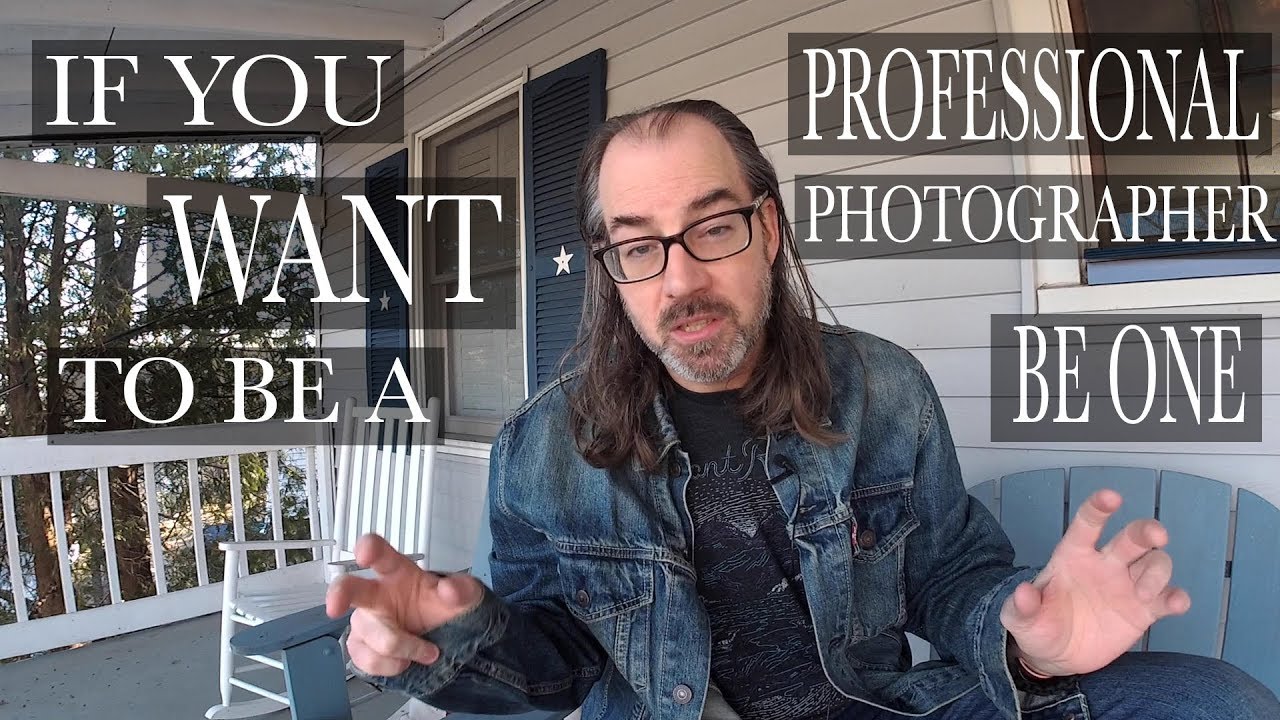
In this Daniel Norton Photographer tutorial, Watch the full tutorial on YouTube, Daniel doesn’t walk you through Lightroom presets or lighting ratios. He does something harder: he calls out the mental loops that keep photographers stuck in “aspiring” mode for years. As someone who runs a portrait studio in Miami and coaches photographers on building sustainable businesses, I’ve seen these same loops up close. This video cuts right through them.
What follows is my breakdown of the core framework Daniel lays out, with the practical steps you can apply whether you’re still working a day job or already shooting on weekends and trying to go full-time.
Step 1: Acknowledge the Gap Between Wanting and Doing
 Daniel speaking directly to camera about working for yourself
Daniel opens with a deceptively simple observation: if you say you want to run a photography business but aren’t taking concrete steps toward it, then you don’t actually want it yet. He uses a weight loss analogy that landed for me the first time I heard it. Wanting something and tolerating your current situation are two completely different emotional states.
Daniel speaking directly to camera about working for yourself
Daniel opens with a deceptively simple observation: if you say you want to run a photography business but aren’t taking concrete steps toward it, then you don’t actually want it yet. He uses a weight loss analogy that landed for me the first time I heard it. Wanting something and tolerating your current situation are two completely different emotional states.
The practical exercise here is honest and uncomfortable. Write down the last three actions you took specifically to move your photography business forward. Not learning actions like watching tutorials or reading books. Real actions: a client inquiry you sent, a portfolio piece you shot for a target market, a contract you drafted. If your list is empty or more than two weeks old, that’s your data point.
Step 2: Remove Your Safety Net Deliberately
 Daniel describing his move to Miami with only what fit in his car
Daniel shares how he deliberately chose Miami over New York when starting out, even though New York was the more logical choice given his location. His reasoning was sharp: proximity to home meant a built-in escape route, and he knew himself well enough to know he’d use it. So he made the fallback impossible.
Daniel describing his move to Miami with only what fit in his car
Daniel shares how he deliberately chose Miami over New York when starting out, even though New York was the more logical choice given his location. His reasoning was sharp: proximity to home meant a built-in escape route, and he knew himself well enough to know he’d use it. So he made the fallback impossible.
You don’t have to move across the country to apply this principle. But you do need to identify what your personal escape hatch is and close it. For some photographers, it’s keeping the day job indefinitely “just until things pick up.” For others, it’s shooting only for friends and family because the work feels safe. Define a deadline or a financial threshold that forces a real decision, then tell someone who will hold you to it.
Step 3: Get Honest About Your Current Skill Level
 Daniel reflecting on thinking he was a great photographer when starting out
One of the most useful things Daniel admits in this video is that when he moved to Miami, he thought he was a great photographer. He wasn’t. The confidence got him moving, but it took real-world feedback to sharpen the work.
Daniel reflecting on thinking he was a great photographer when starting out
One of the most useful things Daniel admits in this video is that when he moved to Miami, he thought he was a great photographer. He wasn’t. The confidence got him moving, but it took real-world feedback to sharpen the work.
This is not a reason to delay starting. It’s a reason to build a feedback loop into your business from day one. Show your portfolio to photographers who work at the level you want to reach, not just to supportive friends. Enter your work in competitions that use blind judging. Take commercial client briefs seriously even when they’re small. Every working photographer I respect went through a phase where their ambition outran their execution. The ones who grew fast were the ones who got honest feedback early and adjusted quickly.
Step 4: Define What Kind of Photography Business You Actually Want
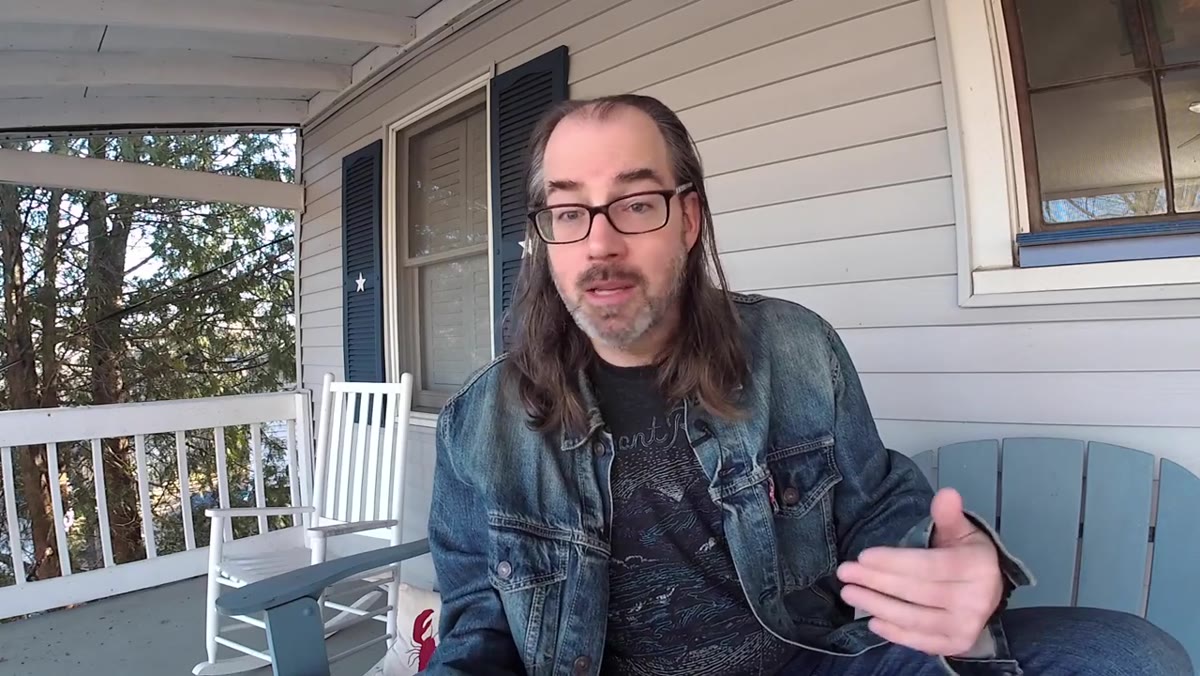 Daniel distinguishing between different types of photography careers
Daniel makes a point that I think gets overlooked in most “start your photo business” conversations: most photographers watching his video probably don’t want to shoot Vogue covers. That’s a specific, highly competitive path with its own entry requirements. But there are dozens of other viable photography businesses, from portrait studios to real estate photography to corporate headshots to event work, each with completely different client acquisition strategies and income structures.
Daniel distinguishing between different types of photography careers
Daniel makes a point that I think gets overlooked in most “start your photo business” conversations: most photographers watching his video probably don’t want to shoot Vogue covers. That’s a specific, highly competitive path with its own entry requirements. But there are dozens of other viable photography businesses, from portrait studios to real estate photography to corporate headshots to event work, each with completely different client acquisition strategies and income structures.
Clarity here saves years of misdirected effort. My accountant husband once helped me pull my actual revenue by service type, and I found out that my highest-margin work wasn’t what I’d been putting the most energy into marketing. Once I realigned my focus, the business felt less exhausting. Start by writing down exactly who you want your clients to be and what specific problem your photography solves for them. “I want to do portraits” is not specific enough. “I want to photograph personal brand headshots for Miami-based entrepreneurs who need updated LinkedIn and website imagery” is a business.
Step 5: Take the First Visible Step Publicly
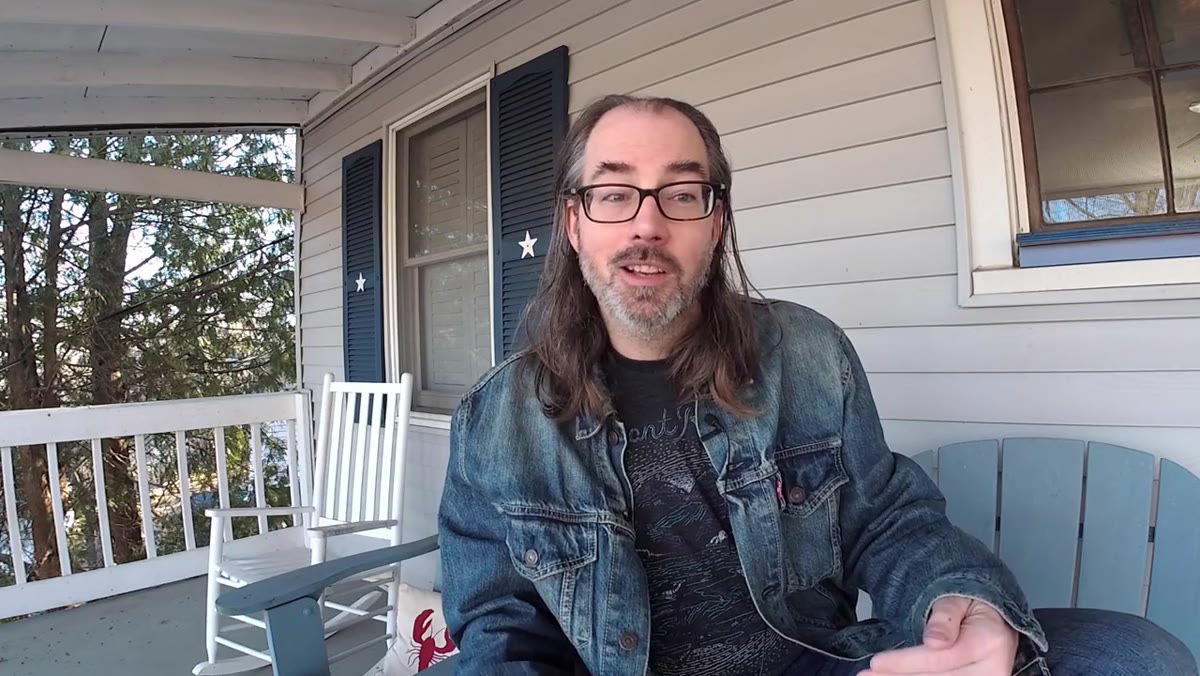 Daniel discussing the importance of committing and moving forward
Daniel’s story of just driving to a new city with what fit in his car is extreme, but the underlying principle is sound: at some point you have to make a move that other people can see. An Instagram post about the work you’re doing, a simple website with a booking link, your first real invoice. These external signals matter because they create accountability and they invite the market to respond.
Daniel discussing the importance of committing and moving forward
Daniel’s story of just driving to a new city with what fit in his car is extreme, but the underlying principle is sound: at some point you have to make a move that other people can see. An Instagram post about the work you’re doing, a simple website with a booking link, your first real invoice. These external signals matter because they create accountability and they invite the market to respond.
The temptation is to wait until everything is polished. Don’t. Launch a minimal version of your business now: a one-page website, five portfolio images that represent the exact work you want to be hired for, and a clear way for people to contact you. Refine it while it’s live. The photographers I’ve coached who waited for perfection before launching consistently waited longer than the ones who launched rough and iterated.
What I’d Add From My Own Studio Experience
Daniel’s framework is about mindset and momentum, which is exactly where most photographers need to start. Where I’d extend it is on the systems side. The mental shift he describes, from employee thinking to owner thinking, has to be backed up by basic business infrastructure or the momentum dies fast.
That means a simple contract for every shoot before you start (I lost a significant client payment early in my career because of a vague, handshake-style agreement, and I rebuilt my entire contract from scratch after that). It means tracking your income and expenses in something other than your memory. It means setting a price that accounts for your time, your gear, your editing hours, and a profit margin, not just what feels like “not too much to ask.” Getting clear on those mechanics early means the business you build can actually sustain you.
The single most important thing Daniel’s video communicates is this: the gap between wanting a photography business and having one is almost never about talent or equipment. It’s almost always about the decision to act without a guarantee of outcome. Most photographers are waiting for certainty that will never come before they start. The ones who build real businesses are the ones who started anyway.
Watch the full tutorial on YouTube and pay attention to how Daniel talks about the early days. The honesty in it is worth more than most paid business courses.
Comments (3)
Printing this out and pinning it next to my monitor. That good.
This should be required reading for anyone starting out.
This is the kind of content that keeps me coming back.
Leave a Comment