I grew up watching my parents run a photography studio on pure hustle. Great work, loyal customers, and still a white-knuckle ride every single month because the income never stacked. It was always feast or famine. I swore I’d build something more stable when I started my own studio in Miami, and for the most part I have. But last quarter I hit a familiar wall. Bookings were solid. Revenue looked fine on paper. And I still felt like I was starting from zero every January.
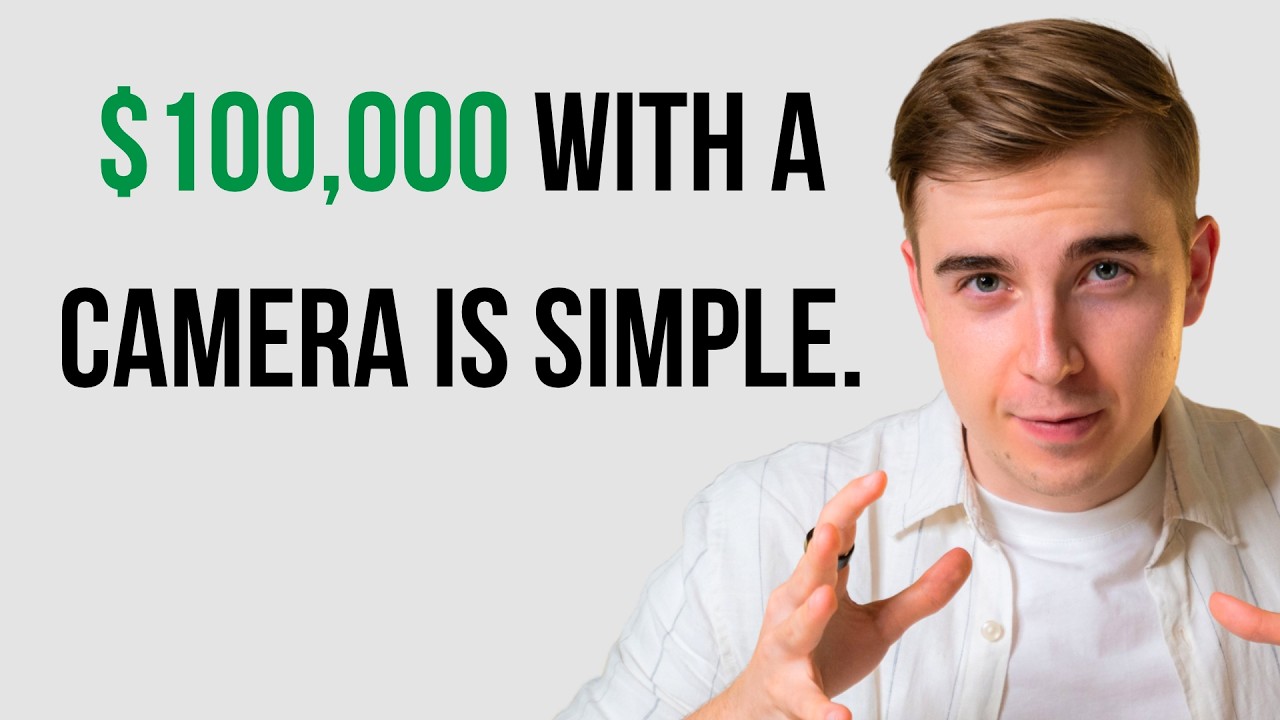
That frustration is exactly why a tutorial from photographer and educator Hugo Korhonen stopped me mid-scroll. Watch the full tutorial on YouTube before you read further, or stay here and I’ll break down the framework piece by piece with what I actually took from it.
The Consumer Market Trap Most Photographers Never Escape
Korhonen makes a point early in the video that sounds almost too obvious until you sit with it. The consumer photography market, families, couples, seniors, is brutal because clients buy once and disappear. You are constantly filling a leaky bucket. His argument is to sell to businesses instead, specifically local businesses that need consistent visual content to stay competitive.
The logic holds up. A restaurant needs new photos every time the menu changes. A real estate agency needs listing photos every week. A fitness studio needs fresh content for social every month. These are not one-time purchases. These are operational needs, which means they budget for them, they renew them, and they do not ghost you in December because they “already have photos.”
He calls this the “farming” model, building a business that produces steady, predictable yield rather than hunting for a new trophy client every 30 days. After years of tracking my own studio metrics obsessively, I can confirm that my highest-stress revenue always came from the one-time consumer shoots, no matter how much I charged.
Four Stages, One Clear Sequence
Korhonen structures his roadmap into four stages, and the sequencing matters as much as the content.
Stage 1 is emotional impact. Before you pitch anything, your photos need to make businesses feel something. Not technically correct images. Images that create a reaction. He pushes photographers to audit their portfolio specifically for emotion, not sharpness, not composition rules, but gut-level feeling. If a business owner looks at your work and nods politely, you are not ready to sell yet.
Stage 2 is building a monthly offer. This is the operational core of the whole framework. Korhonen walks through structuring an offer a business will pay for on retainer, typically a set number of deliverables per month, branded to that business’s visual identity, with consistent turnaround. The key design principle is that the offer solves a recurring problem. Content pipelines never stop needing to be filled. Your offer should fit into how a business already thinks about their marketing budget, not ask them to create a new mental category.
Stage 3 is client acquisition in 2027. He focuses heavily on local outreach here, which surprised me at first given how much online content pushes photographers toward Instagram growth and passive inbound. His reasoning is specific: local businesses trust local photographers more quickly, referrals travel faster inside a geographic community, and you can close a client over coffee instead of a six-email chain. He recommends showing up in person, not spamming DMs. Referral loops from one satisfied business to their network of other business owners is his primary acquisition engine.
Stage 4 is freedom through systems. Once you have retainer clients paying monthly, you build repeatable workflows that reduce your time per client. That margin, time you get back, is where freedom actually lives. Not in charging more per hour, but in delivering consistently in fewer hours through a refined process.
Why I Would Push Back on Skipping Consumer Work Entirely
Korhonen is direct about his own decision to quit selling art and consumer photography after five-figure months, and I respect the honesty. But I think the advice to abandon consumer work entirely deserves a caveat for photographers still building their reputation.
My portrait studio is what gave me the visual language I now use to shoot for local wellness brands and boutique hotels. Consumer clients, especially portrait clients, demand emotional connection in a way that sharpened my eye faster than any commercial brief. The technical discipline of product photography did not teach me how to read a room. Portraits did.
If you are early in your business, consider running the consumer work in parallel while you build your first two or three business retainer clients. Use the consumer shoots to keep your emotional instincts sharp. Use the business retainers to build your recurring revenue baseline. Phase out the consumer work when the retainers replace what you need, not before.
His “Story Lens Freedom Framework” Ties It Together
Late in the video, Korhonen introduces his Story Lens Freedom Framework, which connects all four stages into a single client experience philosophy. The idea is that every image you deliver should advance the client’s business story, not just document a moment. That framing changes how you brief yourself before a shoot, how you edit, and how you present the final gallery. You are not delivering photos. You are delivering narrative assets.
That reframe is worth writing on a sticky note above your monitor. It shifts the conversation with clients from “how many photos do I get” to “what story are we building together.” Clients pay more and renew longer when they see you as a collaborator in their brand story rather than a contractor who shows up with a camera.
The single most important shift in this entire framework is moving from transaction to subscription, one client relationship that compounds over time beats ten one-off bookings every year. Watch the full tutorial on YouTube for Korhonen’s full visual walkthrough, especially the section on structuring the monthly offer, which is harder to summarize than it is to see demonstrated.
Comments (2)
I tried this on a client project yesterday and the results were way better than expected.
Never thought of approaching it this way. Really creative.
Leave a Comment