I track almost everything in my studio, open rates on inquiry emails, conversion percentages from consultations, even how many times a client references their previous photographer before booking. So when I noticed that my cold outreach emails were getting ignored at an embarrassing rate early in my business, I dug into the data. The problem wasn’t my portfolio. It was my pitch. I was leading with what potential clients were doing wrong instead of what I could do right, and it was costing me bookings before I even got a reply.
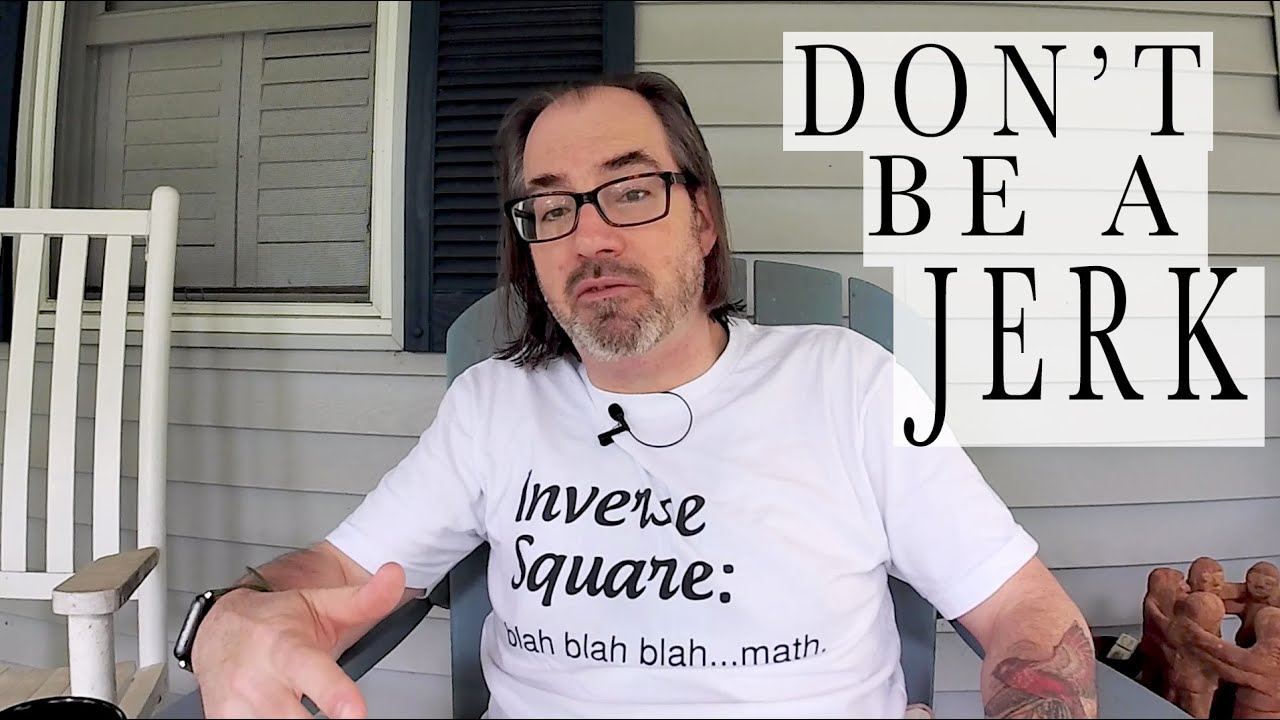
This is exactly the trap that Watch the full tutorial on YouTube addresses head-on. In this Daniel Norton Photographer tutorial on approaching new clients, Daniel breaks down the difference between negative and positive marketing approaches, and makes a case that most photographers, especially newer ones, default to the wrong one. The tutorial is short and conversational, but the core lesson is one I wish someone had handed me in year one.
The scenario he walks through will feel familiar. You find a local business with clearly outdated headshots on their website, maybe wall-against-a-wall iPhone photos, flat lighting, awkward crops. Your instinct is to point that out. Their photos are bad, yours are better, case closed. Daniel’s point is that leading with criticism is a losing strategy, not because it’s impolite, but because it doesn’t work.
Step 1: Identify the Opportunity Without Judging the Client
 Daniel discussing negative versus positive marketing approach
Before you write a single word of outreach, do your research with a neutral eye. Look at the potential client’s existing photos as a strategist, not a critic. Note what’s missing technically: inconsistent lighting, distracting backgrounds, unflattering angles. But here’s the mental reframe that changes everything: those observations are for your planning, not your pitch. You’re building a case for what you can bring, not a list of complaints.
Daniel discussing negative versus positive marketing approach
Before you write a single word of outreach, do your research with a neutral eye. Look at the potential client’s existing photos as a strategist, not a critic. Note what’s missing technically: inconsistent lighting, distracting backgrounds, unflattering angles. But here’s the mental reframe that changes everything: those observations are for your planning, not your pitch. You’re building a case for what you can bring, not a list of complaints.
This matters more than it sounds. That corporate team’s iPhone headshots? They might have been taken by the CEO’s spouse. The restaurant’s blurry food photos? The owner might be proud of them. You have no idea what emotional connection exists between a client and their current images, and walking in as a critic puts you immediately on the defensive before the conversation even starts.
Step 2: Shift Your Core Message from “Theirs Is Bad” to “Mine Is Better”
 Daniel explaining how to frame what you bring to a client
This is the pivot that the whole approach hinges on. Instead of saying “your current photos are hurting your business,” you say “here’s what professional lighting and intentional composition can do for you.” The difference sounds subtle, but the client’s emotional response is completely different. One feels like an attack; the other feels like an opportunity.
Daniel explaining how to frame what you bring to a client
This is the pivot that the whole approach hinges on. Instead of saying “your current photos are hurting your business,” you say “here’s what professional lighting and intentional composition can do for you.” The difference sounds subtle, but the client’s emotional response is completely different. One feels like an attack; the other feels like an opportunity.
Write your outreach message around the value you deliver, not the gap you spotted. If you’re targeting a law firm with flat, uninspiring headshots, your message leads with how strong personal branding photography helps attorneys build trust with prospective clients. You’re not mentioning what they have now at all. You’re painting a picture of what they could have.
Step 3: Lead With Sample Work That Educates, Not Compares
 Daniel describing showing examples to help clients understand quality
Daniel makes a smart point here: if you show a potential client a compelling portfolio image and explain what created that result, specifically the lighting that sculpts the face, the background separation, the detail in the subject’s features, you let them draw their own conclusions. They’ll see the difference without you having to say it out loud.
Daniel describing showing examples to help clients understand quality
Daniel makes a smart point here: if you show a potential client a compelling portfolio image and explain what created that result, specifically the lighting that sculpts the face, the background separation, the detail in the subject’s features, you let them draw their own conclusions. They’ll see the difference without you having to say it out loud.
When I started attaching a short PDF to cold outreach emails, not a sales brochure but a simple before/after breakdown showing what different lighting setups accomplish, my response rate went up noticeably. The client gets educated, they start to understand what quality looks like, and they arrive at the realization themselves. That’s infinitely more persuasive than being told.
Step 4: Remember That You Are the Product, Not Just Your Service
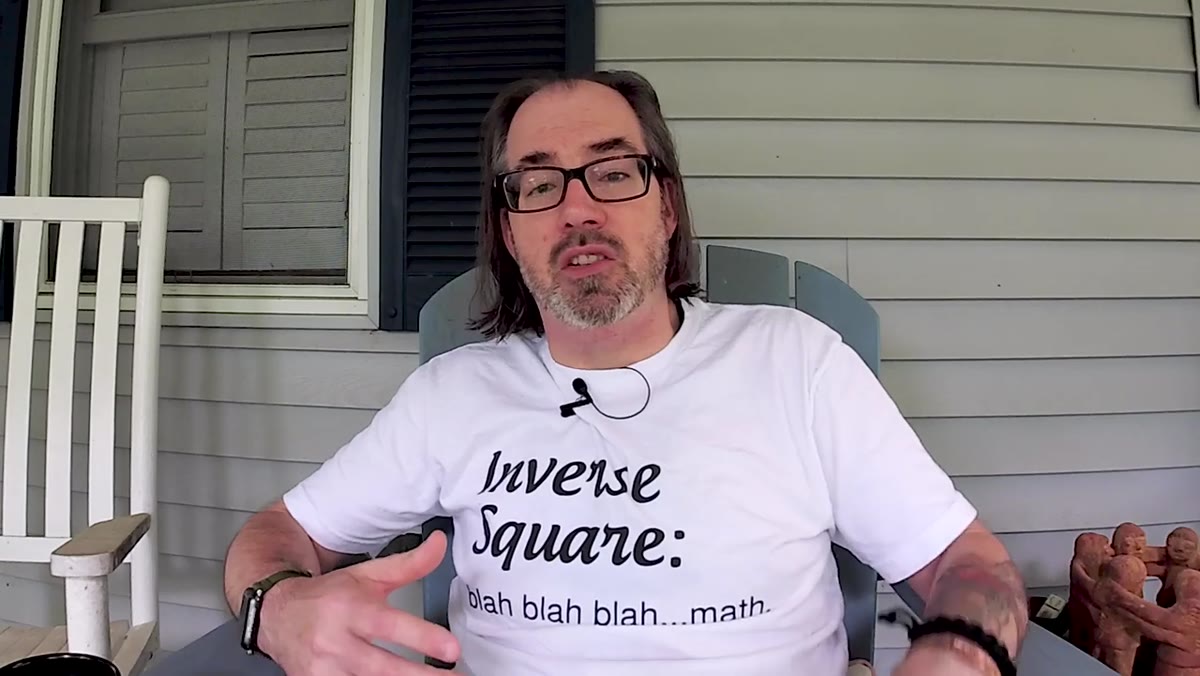 Daniel making the point that photographers sell themselves not a commodity
Daniel draws a sharp distinction here that I think gets overlooked constantly. Selling photography is not like selling a product on a shelf where you can just undercut a competitor’s price or point out product flaws. When you pitch your services, you are pitching yourself. Your personality, your professionalism, your communication style, all of it is part of what the client is buying.
Daniel making the point that photographers sell themselves not a commodity
Daniel draws a sharp distinction here that I think gets overlooked constantly. Selling photography is not like selling a product on a shelf where you can just undercut a competitor’s price or point out product flaws. When you pitch your services, you are pitching yourself. Your personality, your professionalism, your communication style, all of it is part of what the client is buying.
That means a negative, critical outreach approach doesn’t just fail tactically, it signals to the client exactly what it might be like to work with you. If you come in swinging at their current setup, even if you’re right, you’re telling them you might be difficult, combative, or condescending on set. A photographer who leads with generosity and vision, on the other hand, signals that working with them will feel good. Clients buy feelings before they buy deliverables.
Step 5: Make Your Pitch About Their Goals, Not Your Credentials
 Daniel discussing approaching corporate or portrait clients with helpful framing
The final active step is crafting outreach that centers the client’s outcomes. Not “I have 10 years of experience and professional studio equipment” but “I work with real estate teams to create consistent, high-quality agent profiles that strengthen brand trust across their marketing materials.” One is about you; the other is about them.
Daniel discussing approaching corporate or portrait clients with helpful framing
The final active step is crafting outreach that centers the client’s outcomes. Not “I have 10 years of experience and professional studio equipment” but “I work with real estate teams to create consistent, high-quality agent profiles that strengthen brand trust across their marketing materials.” One is about you; the other is about them.
Research their business enough to speak specifically to their world. A boutique hotel gets a different pitch than a dental office. The more your message reflects that you understand their industry and their audience, the more credible and relevant you look, without a single negative word about what they’re currently doing.
What I’d Add From My Own Experience
Daniel’s framework is solid, and I’d stack one more layer on top of it: follow up with a specific, low-friction offer. Not “let me know if you’re interested” but “I have two open dates in the next three weeks if you’d like to do a short test session.” Specificity moves people from curious to committed.
I spent a long time ending pitches with vague invitations and wondering why no one responded. The truth is most business owners are busy and genuinely interested but need a nudge. Giving them a concrete next step, a date, a package, a simple yes/no decision, closes the loop in a way that “let me know” never will. Combine that with Daniel’s positive framing and you have outreach that’s both warm and actionable.
The single thing worth taking from this tutorial: never make a potential client feel bad about what they have in order to sell them what you offer. Let your work, your vision, and your professionalism make the argument. Clients want to hire someone who sees possibility, not someone who leads with judgment.
Watch the full tutorial on YouTube and see Daniel walk through this mindset shift in his own words. It’s a short watch with a long payoff.
Comments
Leave a Comment