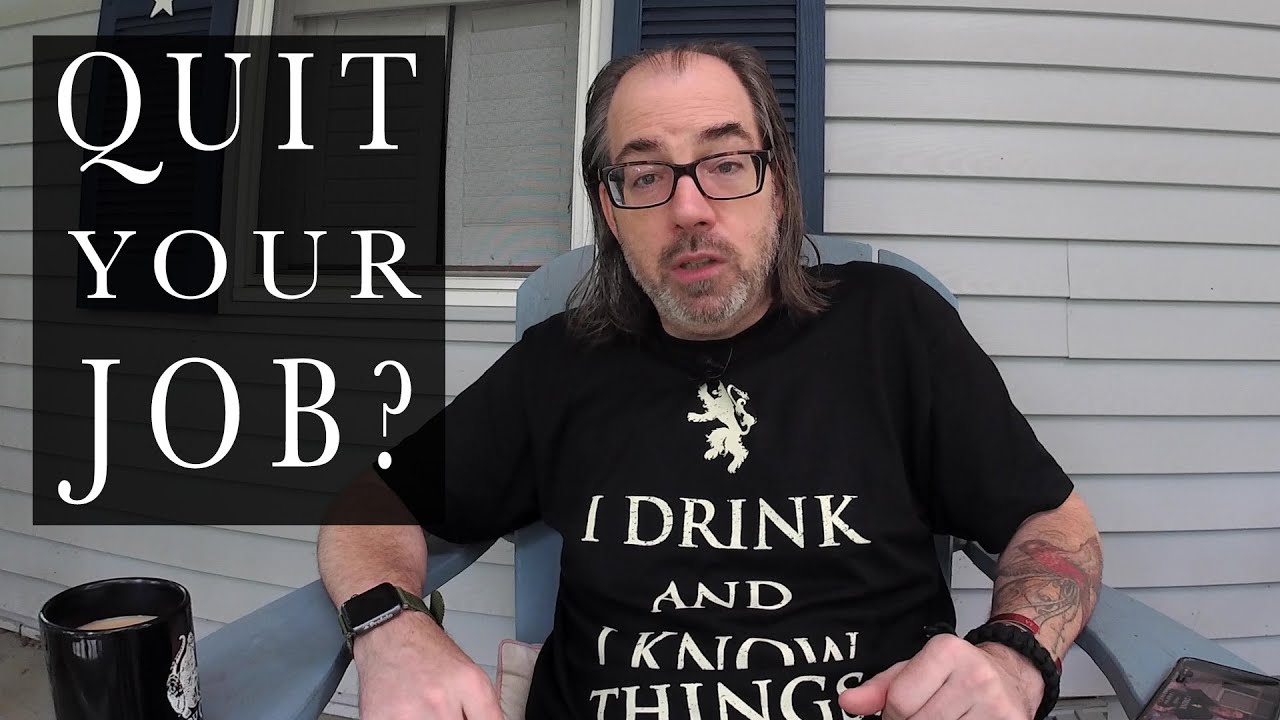
I have a client who shot weddings on weekends for three years while working a full-time marketing job. She kept telling me she was “almost ready” to go full-time. Then one slow January, she got frustrated, rage-quit her job, and spent the next eight months burning through savings while she scrambled to fill her calendar. She made it work eventually, but the stress nearly pushed her out of photography entirely. What she needed wasn’t more courage. She needed a plan.
That scenario is exactly what came to mind when I watched this tutorial from Daniel Norton Photographer, a New York-based photographer who makes consistently practical videos on the business side of photography. Watch the full tutorial on YouTube - it is short, conversational, and worth every minute. His central argument is this: yes, you should absolutely pursue photography as your livelihood, but the timing of when you quit your current job is a strategic decision, not an emotional one.
Running a portrait studio in Miami, I have seen both versions of this story play out. The photographers who build before they leap tend to land on their feet. The ones who leap because they hate Mondays tend to learn the hard way. Here is how to apply Daniel’s framework in a way that actually holds up under financial pressure.
Step 1: Separate “I Love Photography” From “I Am Ready to Run a Business”
 Daniel introducing the concept of quitting vs. not quitting yet
The emotional pull to quit a job you dislike is real, and Daniel addresses it directly. He describes watching a motivational video urging people to follow their passion immediately, and while he agrees with the underlying philosophy, he pushes back on the execution. Loving photography is not the same thing as being prepared to replace your income with it.
Daniel introducing the concept of quitting vs. not quitting yet
The emotional pull to quit a job you dislike is real, and Daniel addresses it directly. He describes watching a motivational video urging people to follow their passion immediately, and while he agrees with the underlying philosophy, he pushes back on the execution. Loving photography is not the same thing as being prepared to replace your income with it.
Before you make any financial moves, ask yourself whether you are already getting paid for your photography, even occasionally. If you have gear, software, and some kind of portfolio, you have already crossed the first threshold. The question is whether the business infrastructure exists to support you full-time. That is a completely different set of skills from being a talented photographer.
Step 2: Treat Your Current Job as a Funding Source, Not a Prison
 Daniel explaining the value of a stable job as a foundation
One of the reframes Daniel offers that I think photographers undervalue is this: a steady paycheck is an asset while you are building. It covers your rent while you experiment with pricing. It pays for gear upgrades without putting you into debt. It gives you room to turn down bad clients because you are not desperate.
Daniel explaining the value of a stable job as a foundation
One of the reframes Daniel offers that I think photographers undervalue is this: a steady paycheck is an asset while you are building. It covers your rent while you experiment with pricing. It pays for gear upgrades without putting you into debt. It gives you room to turn down bad clients because you are not desperate.
When I was building my studio in the early years, I kept part-time work for almost eighteen months longer than I wanted to. I resented it at the time. Looking back, that overlap period was when I figured out my pricing model, built my client base, and stopped undercharging out of fear. The day job bought me the freedom to be selective about the photography work I took on, which ironically made my photography business stronger faster.
Step 3: Build the Client Base Before You Need It
 Daniel noting photographers watching likely already have gear and some experience
Daniel makes an astute observation about who is watching his video: if you are researching how to go full-time as a photographer, you almost certainly already have a camera, editing software, and some clients or connections. That means the foundation is already there. The next move is deliberate growth, not a dramatic exit.
Daniel noting photographers watching likely already have gear and some experience
Daniel makes an astute observation about who is watching his video: if you are researching how to go full-time as a photographer, you almost certainly already have a camera, editing software, and some clients or connections. That means the foundation is already there. The next move is deliberate growth, not a dramatic exit.
Start taking on paid work now, while you still have your other income. Set a specific revenue target that would replace your current take-home pay, and do not quit until you are consistently hitting at least 70 to 80 percent of it through photography alone. “Consistently” means three to four months in a row, not one great month followed by radio silence.
Step 4: Build a Six-Month Financial Runway Before You Give Notice
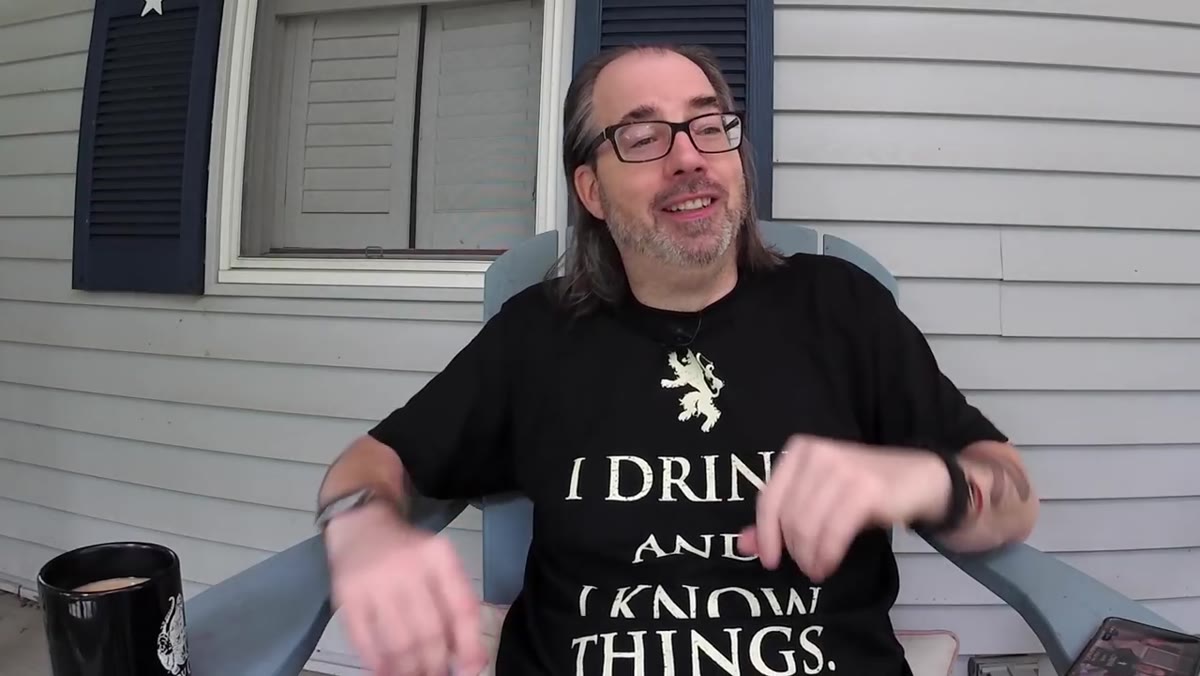 Daniel citing the six months of expenses benchmark
This is the most concrete benchmark Daniel gives, and it is the one most people skip. He recommends having roughly six months of basic living expenses saved before you quit. Not six months of your current lifestyle, but six months of your actual necessities: rent or mortgage, food, utilities, insurance, and any debt payments.
Daniel citing the six months of expenses benchmark
This is the most concrete benchmark Daniel gives, and it is the one most people skip. He recommends having roughly six months of basic living expenses saved before you quit. Not six months of your current lifestyle, but six months of your actual necessities: rent or mortgage, food, utilities, insurance, and any debt payments.
This number matters because the first year of full-time self-employment almost always includes slow months you did not predict. Equipment breaks. A big client disappears. A busy season underperforms. The runway is not pessimism, it is professionalism. I track my studio’s monthly expenses down to the dollar, and I keep a cash reserve specifically because I have watched what happens to photographers who do not. The math is not romantic, but it is the difference between making it and having to go back.
Step 5: Define What “Ready” Actually Looks Like on Paper
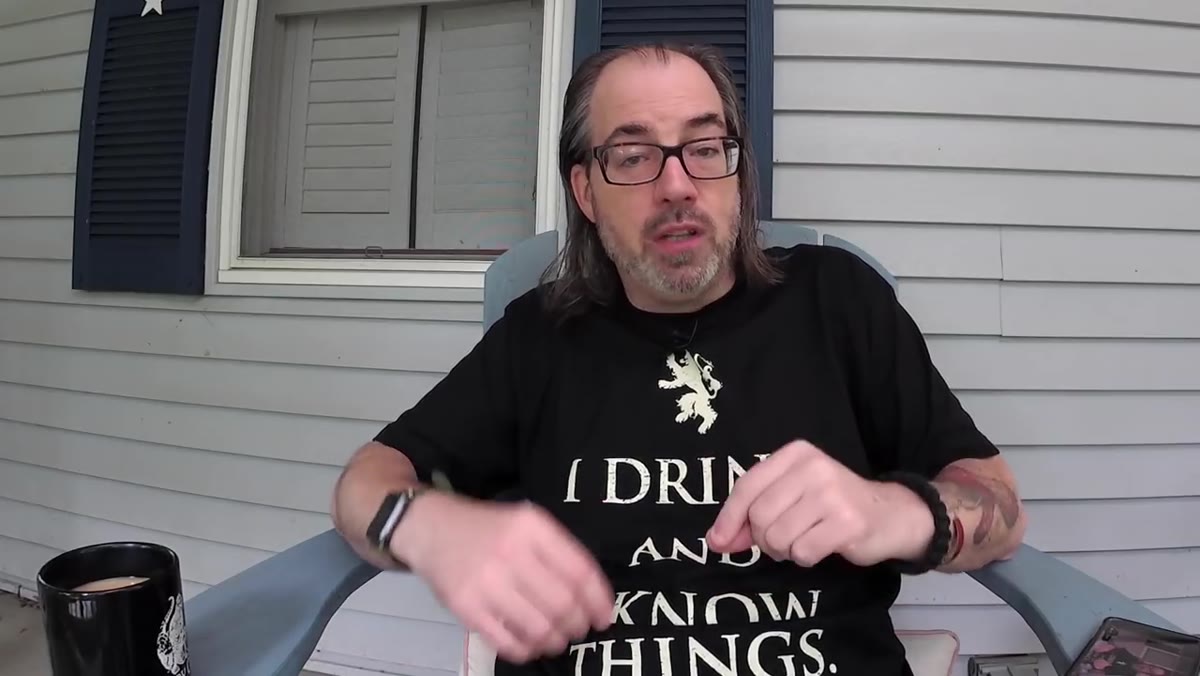 Daniel describing the decision process of when to actually make the leap
The “not yet” part of Daniel’s message only works if you have a clear definition of when “yet” arrives. Otherwise, you will either wait forever out of fear or jump too soon out of impatience. Write down three specific, measurable conditions that have to be true before you give notice.
Daniel describing the decision process of when to actually make the leap
The “not yet” part of Daniel’s message only works if you have a clear definition of when “yet” arrives. Otherwise, you will either wait forever out of fear or jump too soon out of impatience. Write down three specific, measurable conditions that have to be true before you give notice.
Mine, when I was making this transition, were: twelve active clients on rotation, six months of expenses in savings, and a waitlist of at least four people for the next available session slot. When all three boxes were checked, I stopped second-guessing and made the call. Having those criteria written down meant the decision was never really emotional, it was just a checklist getting completed.
A Note From My Own Experience
The framing Daniel uses, that a good job is “a gift in a sense,” is something that took me a while to appreciate. There is real cultural pressure in the creative world to romanticize the leap, to treat leaving a stable job as proof that you are serious about your art. I believed that for longer than I should have.
What actually made my business sustainable was not the drama of quitting. It was the unglamorous work I did in the eighteen months before that. I built systems, tested my pricing, and figured out which types of portrait sessions were actually profitable versus the ones I just enjoyed. My husband, who handles our household accounting, once pointed out that my most profitable work was not what I assumed it was. That conversation changed how I structured my entire service menu. Do the analysis before you need the income to survive. You will make smarter decisions when the stakes are lower.
The single most important takeaway from Daniel’s tutorial is that readiness is a financial condition, not a feeling. When your savings runway is built, your client pipeline is active, and your revenue is approaching your target, the decision to go full-time stops being scary and starts being obvious.
Watch the full tutorial on YouTube and pay particular attention to how Daniel talks about the psychology behind the leap. He has been through it, and the perspective he offers is the kind you only get from someone who made the decision thoughtfully rather than impulsively.
Comments
Leave a Comment