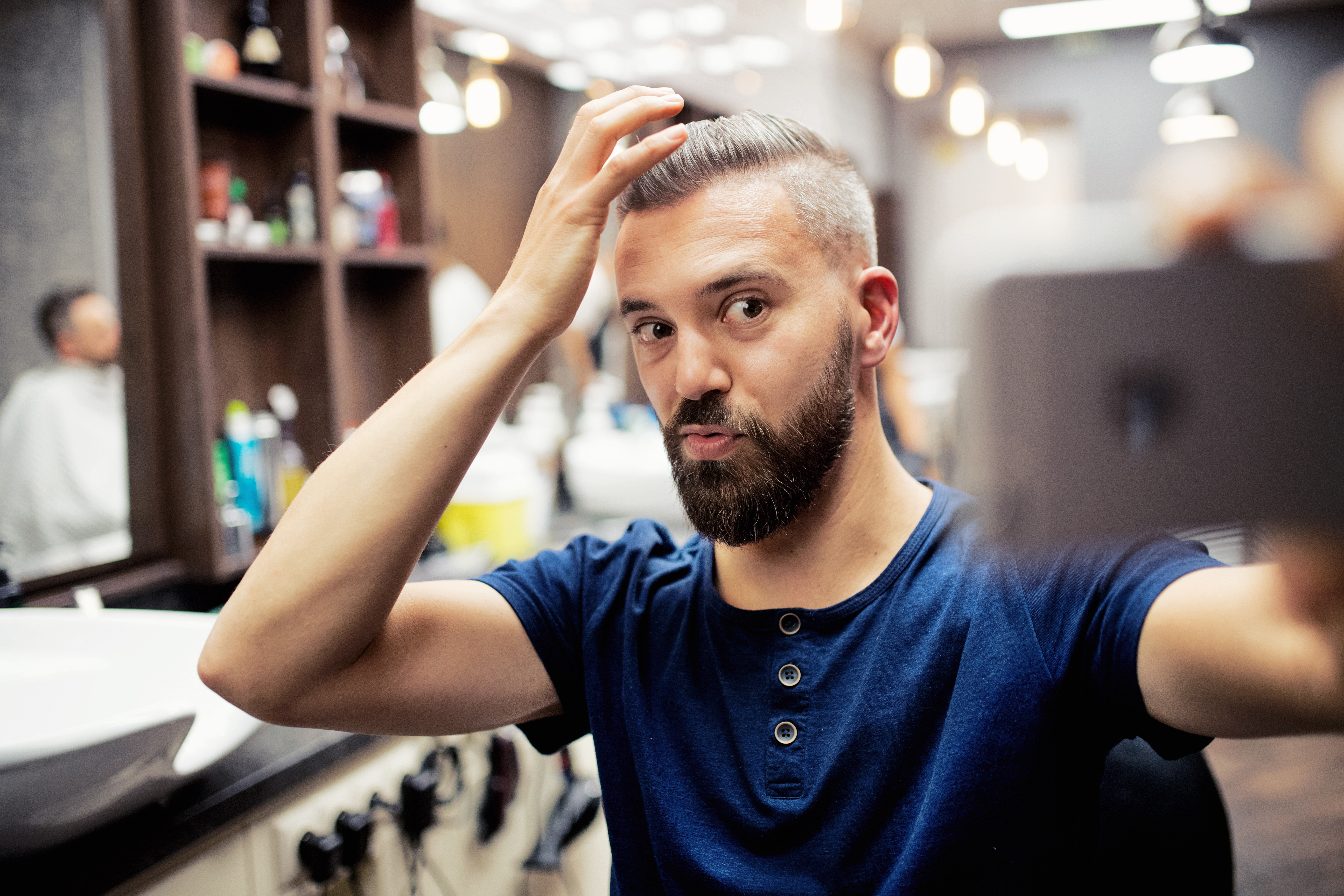
I had coffee with a fellow photographer last week who lost three headshot clients to AI. Not because they were bad at their job—she’s genuinely talented. But a potential client told her they’d already generated a “good enough” batch using Midjourney, spent $20, and didn’t need to book a session.
That conversation stuck with me because it’s not an outlier anymore. It’s a real shift in how some clients are thinking about visual content. And we need to talk about it honestly.
The Numbers Behind the Shift
AI image generation tools have moved from novelty to mainstream remarkably fast. According to a 2024 Statista survey, 35% of businesses are now using or testing AI for content creation—including visual assets. More concerning: 18% of small business owners said they’ve replaced a contractor with an AI tool in the past year.
For photography specifically, this hits hardest in high-volume, lower-ticket work: LinkedIn headshots, e-commerce product photos, stock imagery for blog posts, and social media graphics. These were bread-and-butter clients for many photographers trying to build their business.
When a solopreneur can generate 50 product photos for $0 to $10 using Midjourney or Adobe Firefly instead of paying a photographer $800 to $2,000, that’s not a marginal difference. That’s a business decision.
Why “Good Enough” Is Actually a Problem
Here’s what I need to say carefully: AI-generated images aren’t universally terrible. Some are genuinely impressive. But there’s a difference between impressive and appropriate.
I’ve seen AI headshots that are technically polished but visually uncanny—something’s slightly off with the eyes or proportions that makes them feel inauthentic. I’ve seen product photos with objects that have the wrong number of fingers or inconsistent lighting. More importantly, I’ve seen dozens of brands using the same AI tools end up with visually similar content because they’re all pulling from the same underlying models.
When every startup in your industry has that same slightly-too-perfect product shot, none of them stand out.
The real damage isn’t in quality. It’s in authenticity and differentiation. A client using AI headshots is getting an image. A client hiring a photographer is getting a representation of how they actually look—which matters when people are meeting them in real life.
But clients don’t always make that connection until after they’ve made the cheaper choice.
The Race to the Bottom Is Real
The second problem is pricing pressure. Once clients see that AI can handle “basic” marketing imagery for nearly nothing, their baseline expectation shifts. I’ve watched photography rates in certain categories drop 20-30% in the past 18 months, not because photographers got worse, but because the alternative now costs almost nothing.
For a photographer making $50,000 a year doing 60 headshot sessions, losing even 15 clients to AI means losing $7,500 in annual revenue. That matters.
What concerns me most is that some photographers are responding by dropping their own prices to compete. That’s a losing strategy. You can’t out-cheap AI. What you can do is move away from commoditized work.
Where Real Photography Still Wins
The good news: there’s significant work AI cannot do well.
Brand consistency over time. AI can’t consistently replicate the same lighting, style, and feel across dozens of shoots. A real photographer can deliver visual cohesion that makes a brand recognizable. That’s worth money to a client who understands branding.
Event coverage. Wedding photography, conference coverage, behind-the-scenes content—this requires presence, judgment, and split-second decisions. AI can’t be there.
Storytelling with real people. Authentic headshots where someone looks like themselves (not like a polished digital rendering). Portrait work where the client connection translates into the image. Corporate culture documentation. These require a real person with a camera and relationship skills.
Creative direction and problem-solving. A client comes to you with a vague idea. You ask questions, offer solutions, solve problems on set. That’s consulting. AI is a tool, not a consultant.
What I’m Doing Differently
I’ve shifted my positioning away from “I take photos” toward “I solve visual branding problems.” That means I’m talking to clients about their audience, their positioning, what makes them different—not just about my camera gear.
I’m also raising rates on commoditized work and investing those margins into higher-touch projects where my judgment and expertise actually matter. That feels counterintuitive when pricing is falling, but it’s the only sustainable move.
And I’m being transparent with clients about the authenticity difference. When a client is deciding between AI and hiring me, I want them to make that choice with their eyes open.
AI isn’t going away. But neither is the human need for authentic visual representation. The photographers who’ll thrive aren’t the ones competing on price or running to match AI’s speed. They’re the ones who’ve clearly defined what only they can deliver.
That’s where the real work is.
Comments (4)
Printing this out and pinning it next to my monitor. That good.
Tried this technique this morning. Game changer for real.
This is the kind of content that keeps me coming back.
This is the kind of content that keeps me coming back.
Leave a Comment