
I track everything in my studio. Inquiry sources, booking rates, average sales per session — if it’s a number, I have a spreadsheet for it. So when I started seriously considering adding boudoir to my portrait business a few years ago, I didn’t just dabble. I researched. And one of the most clarifying things I found was this CreativeLive tutorial on exactly how to bring boudoir into an existing photography business. Watch the full tutorial on YouTube — it’s worth your time before you shoot a single test frame.
What hit me hardest was how bluntly the presenters framed it: you cannot just bolt boudoir onto what you already do and expect it to work. I’d been tempted to do exactly that — throw a boudoir page onto my existing site, post a few images, and see what happened. That instinct, it turns out, is how photographers waste months getting zero traction and then conclude that boudoir “doesn’t work” in their market. The tutorial breaks down a smarter path, and I want to walk you through it here with the specific decisions you’ll need to make at each stage.
Step 1: Reframe Your Mindset — This Is a New Business
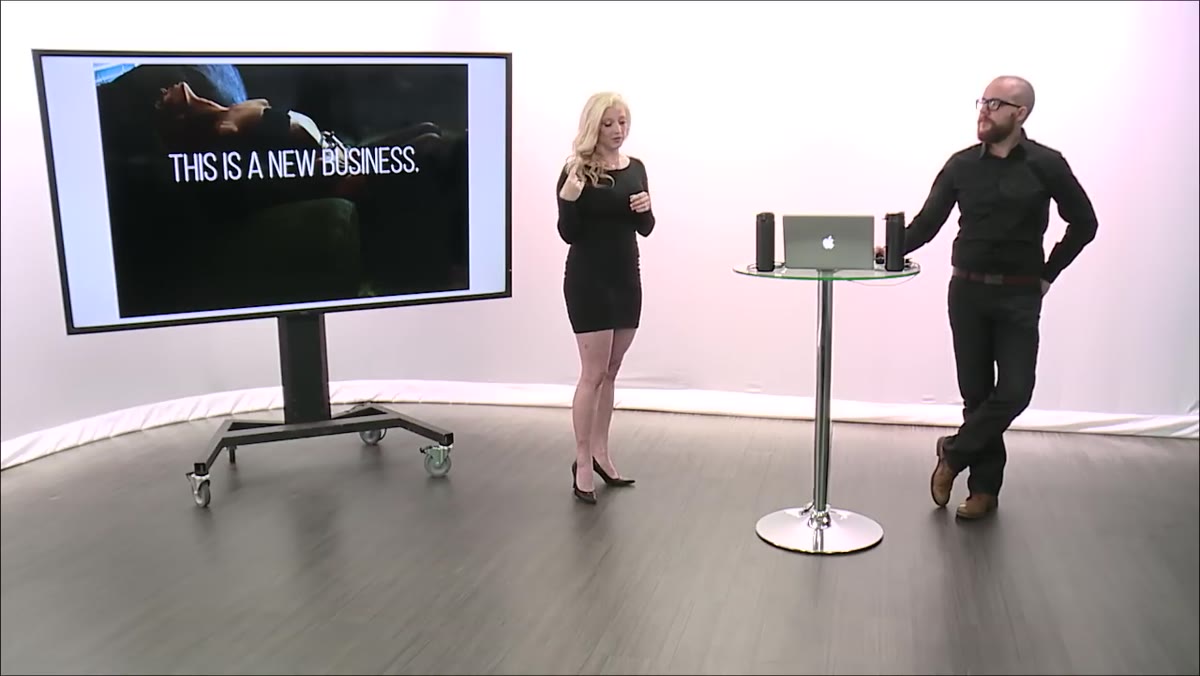
 Presenter explaining why boudoir requires starting from scratch
The single most important shift this tutorial asks you to make is mental. If you’re a wedding or portrait photographer, you have existing systems, an existing brand voice, and an existing client base built around a certain expectation. Boudoir serves a fundamentally different emotional need and attracts clients through a completely different trust pathway. The presenters are direct about this: you have to start over, from the beginning, as if you were launching a brand-new studio. That means resisting the urge to lean on your existing reputation as a shortcut. It won’t shortcut anything. It will just muddy both brands.
Presenter explaining why boudoir requires starting from scratch
The single most important shift this tutorial asks you to make is mental. If you’re a wedding or portrait photographer, you have existing systems, an existing brand voice, and an existing client base built around a certain expectation. Boudoir serves a fundamentally different emotional need and attracts clients through a completely different trust pathway. The presenters are direct about this: you have to start over, from the beginning, as if you were launching a brand-new studio. That means resisting the urge to lean on your existing reputation as a shortcut. It won’t shortcut anything. It will just muddy both brands.
Step 2: Build a Completely Separate Digital Presence
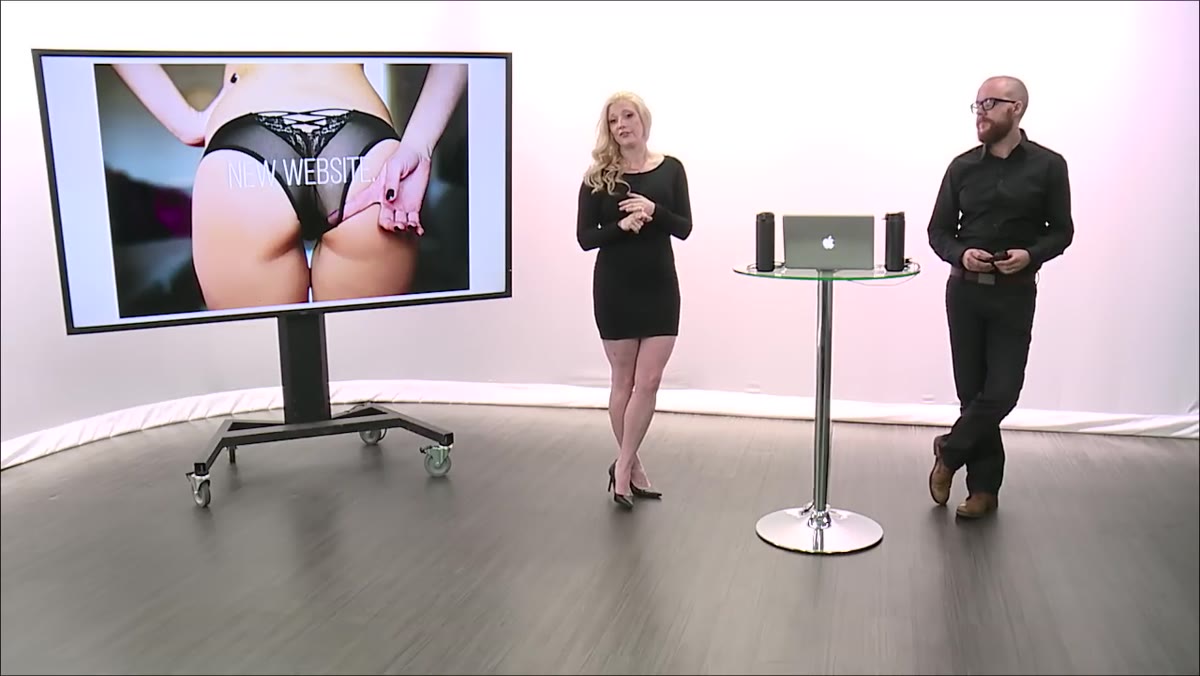
 Presenter listing website, blog, and social media as separate requirements
This is non-negotiable according to the tutorial, and I agree completely. You need a new website, a new blog, and dedicated social media accounts for your boudoir work. These should live entirely apart from your family portrait or wedding brand. The reasoning is practical and the presenters put it plainly: a potential client visiting your site to book a newborn session does not need to see intimate imagery alongside baby photos. The mismatch doesn’t just feel awkward — it actively erodes trust in both offerings.
Presenter listing website, blog, and social media as separate requirements
This is non-negotiable according to the tutorial, and I agree completely. You need a new website, a new blog, and dedicated social media accounts for your boudoir work. These should live entirely apart from your family portrait or wedding brand. The reasoning is practical and the presenters put it plainly: a potential client visiting your site to book a newborn session does not need to see intimate imagery alongside baby photos. The mismatch doesn’t just feel awkward — it actively erodes trust in both offerings.
A separate digital presence also signals specialization. When a prospective boudoir client lands on a standalone site that speaks only to her, with consistent imagery and messaging built around that specific experience, she reads you as someone who takes this seriously. You’re not a generalist who shoots “a little bit of everything.” You are a boudoir photographer. That positioning alone will do more for your conversion rate than almost any marketing tactic.
Step 3: Build a Substantial Portfolio Before You Market
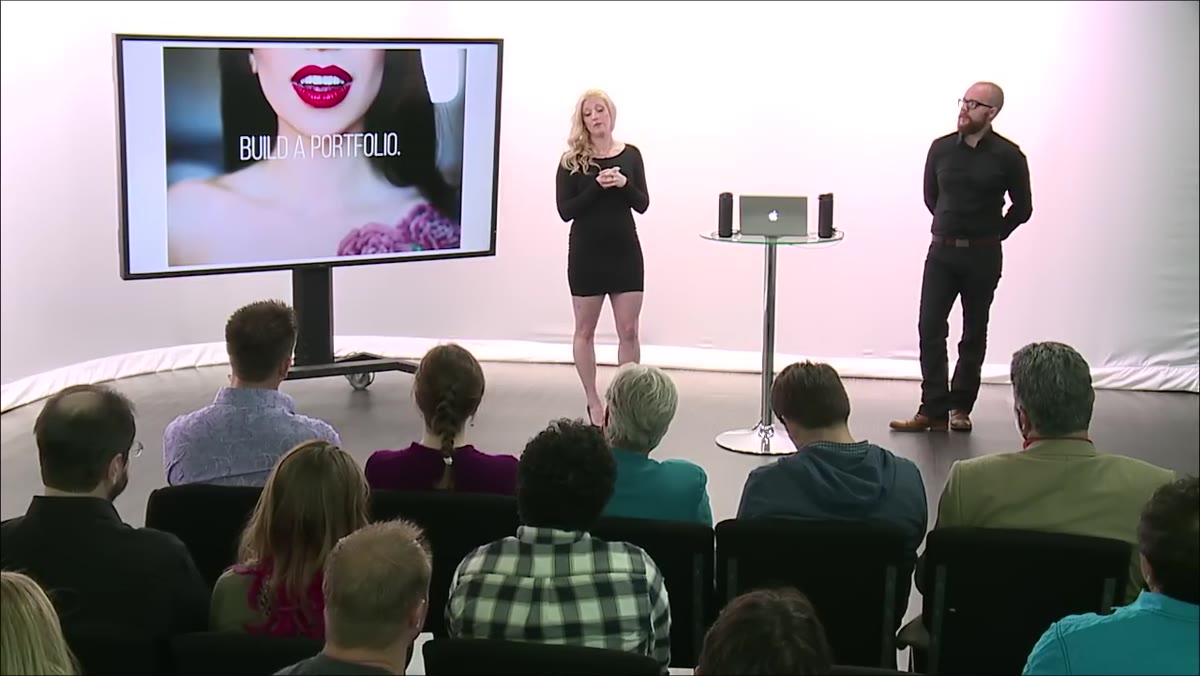
 Presenter discussing the difference between wedding portfolio needs and boudoir portfolio needs
Here’s where most photographers underestimate the work involved. With weddings or family portraits, you can put up a handful of strong images and clients will book you — they’ve seen enough to know you can do the job. Boudoir does not work that way. Potential clients need to see a wide, confident body of work before they will trust you with something this personal and vulnerable. A thin gallery of five or six images sends the wrong signal entirely.
Presenter discussing the difference between wedding portfolio needs and boudoir portfolio needs
Here’s where most photographers underestimate the work involved. With weddings or family portraits, you can put up a handful of strong images and clients will book you — they’ve seen enough to know you can do the job. Boudoir does not work that way. Potential clients need to see a wide, confident body of work before they will trust you with something this personal and vulnerable. A thin gallery of five or six images sends the wrong signal entirely.
The tutorial is clear on how to solve this: go out and build the portfolio before you launch. Ask friends, hire models, do trade shoots — whatever it takes. The one thing you must do at every single one of these sessions is get a signed model release. Do not skip this step because someone is a friend or because the shoot feels casual. I learned a version of this lesson the hard way with a contract issue on a different type of booking, and I promise you, the paperwork protects everyone, not just you. Build the portfolio with intention, get the releases signed, and then launch.
Step 4: Understand Why Referrals Will Be Your Primary Growth Engine
 Presenter comparing referral rates between wedding clients and boudoir clients
The tutorial makes a striking comparison here. A bride might refer two or three other brides to you in a given year. A boudoir client, if she has a transformative experience, will tell five, ten, sometimes twenty women in her circle about it. That kind of word-of-mouth acceleration is rare in photography, and it changes how you should think about every single session you shoot.
Presenter comparing referral rates between wedding clients and boudoir clients
The tutorial makes a striking comparison here. A bride might refer two or three other brides to you in a given year. A boudoir client, if she has a transformative experience, will tell five, ten, sometimes twenty women in her circle about it. That kind of word-of-mouth acceleration is rare in photography, and it changes how you should think about every single session you shoot.
This means your client experience has to be exceptional from first inquiry to final delivery. Every touchpoint matters because every client is a potential referral source who can send you a handful of future clients. The tutorial frames these happy clients as your “champions” — people who are actively out in the world selling your work for you. Your job is to give them an experience worth talking about, and then make it easy for them to share it (with their permission, releases in hand).
Step 5: Protect Yourself and Your Clients at Every Stage
 Presenter emphasizing model releases and client protection in boudoir work
This step lives underneath all the others. The tutorial mentions releases in the context of portfolio-building, but the principle applies across every aspect of your boudoir business. Boudoir is intimate work. Your clients are trusting you with images of themselves that carry real emotional and personal weight. Your contracts, your image usage policies, and your communication around both need to reflect that.
Presenter emphasizing model releases and client protection in boudoir work
This step lives underneath all the others. The tutorial mentions releases in the context of portfolio-building, but the principle applies across every aspect of your boudoir business. Boudoir is intimate work. Your clients are trusting you with images of themselves that carry real emotional and personal weight. Your contracts, your image usage policies, and your communication around both need to reflect that.
Build a client agreement that is specific to boudoir — not a recycled wedding contract with a few words changed. Spell out exactly how images will and won’t be used, who has access to them, and what the client can expect at every stage of the process. This level of clarity is what converts hesitant inquiries into confident bookings.
What I’d Add From My Own Experience
The tutorial focuses on the launch phase, which is exactly what it should do. But once you’re past that initial build, keep measuring. I know that’s not the most exciting advice, but it’s the practical truth. Track where your boudoir inquiries are coming from. Track your booking rate by source. Track your average session sale. Referrals may be your biggest channel early on, but as your brand matures you’ll want to know whether your social content is pulling its weight or whether your website is converting visitors into inquiries.
My studio runs on data, and the boudoir side of the business is no different. When I can see that a certain type of post generates three times the inquiry volume, I make more of that content. When I can see that my booking rate from referrals is 70% versus 20% from cold social, I invest more in client experience rather than paid reach. Numbers tell you where to put your energy. Build the tracking habit early so you’re not guessing later.
The single most important thing this tutorial gets right is the idea that a half-hearted launch will always fail. Boudoir is not a side offering you can quietly slip into your existing portfolio. It is a separate business that deserves a separate identity, a real portfolio, and a serious commitment to client experience. If you’re ready to make that commitment, start with the full tutorial here:
Watch the full tutorial on YouTube
Comments
Leave a Comment