I have a 47-item client experience checklist. I track every metric in my portrait studio like it’s a publicly traded company. And even I spent years fumbling through the same three operational problems that trip up almost every photographer who works with babies and new families. Equipment anxiety. Unpredictable newborns. The overwhelming feeling that you cannot possibly do this alone. When I came across Anna Brandt’s CreativeLive tutorial on running a baby photography business, I wasn’t expecting anything revelatory. I was wrong.
Watch the full tutorial on YouTube
Brandt is a maternity and newborn photographer who teaches workshops internationally and fields questions from photographers in over 50 countries every single week. That scale matters. When someone tells you the same three problems are coming at them from Brazil, Israel, Egypt, and Turkey simultaneously, you’re no longer looking at a niche quirk. You’re looking at universal business pain points. This tutorial is short, but it’s dense. Here’s how I’d break it down for someone trying to actually apply it.
Step 1: Stop Letting Gear Anxiety Stall You
 Anna listing her Canon camera and lens choices on screen
The most common question Brandt gets from photographers worldwide is some version of “what camera do you use?” She answers it directly: she shoots Canon, uses a 24-70mm and 50mm for studio work, and reaches for a 70-200mm on location. But the more important part of her answer is what comes right after the gear list. She used secondhand equipment for a decade. Her philosophy is straightforward: use what you have, produce the best work you can with it, then reinvest earnings into the next upgrade.
Anna listing her Canon camera and lens choices on screen
The most common question Brandt gets from photographers worldwide is some version of “what camera do you use?” She answers it directly: she shoots Canon, uses a 24-70mm and 50mm for studio work, and reaches for a 70-200mm on location. But the more important part of her answer is what comes right after the gear list. She used secondhand equipment for a decade. Her philosophy is straightforward: use what you have, produce the best work you can with it, then reinvest earnings into the next upgrade.
This matters practically because gear obsession is often a delay tactic. If you’re waiting to launch or grow your baby photography business until you own a specific body or lens, you’re not solving a technical problem. You’re avoiding a business one. Pick up what you can afford used, learn it completely, and let client revenue fund the upgrade cycle.
Step 2: Trace Sleep Problems Back Further Than the Session
 Anna explaining nursing mother’s diet and its effect on newborn sleep
The second question Brandt gets constantly is how to get babies into a deep sleep for a session. Most photographers are looking for an in-the-moment trick, something to do in the two minutes before they pick up the camera. Brandt reframes the entire problem. The answer often lives hours or even days before the shoot, in what the nursing mother has been eating.
Anna explaining nursing mother’s diet and its effect on newborn sleep
The second question Brandt gets constantly is how to get babies into a deep sleep for a session. Most photographers are looking for an in-the-moment trick, something to do in the two minutes before they pick up the camera. Brandt reframes the entire problem. The answer often lives hours or even days before the shoot, in what the nursing mother has been eating.
Her own experience as a mother of three, confirmed by her pediatrician, taught her that a nursing baby’s sleep quality is directly tied to the mother’s diet. Gas-producing foods, foods that cause sensitivity, or the wrong formula for a formula-fed baby can all produce an overtired, uncomfortable infant who won’t settle. Before a session, she coaches mothers to keep the baby awake and active beforehand, eat easy-to-digest foods in the days leading up, and pay close attention to formula brands if they’re not nursing. A baby who arrives fed correctly and slightly sleep-deprived is a baby who will go down fast and stay down. That’s how she runs a two-hour newborn session instead of a four-hour one.
Step 3: Audit the Basics When a Baby Is Uncomfortable
 Anna discussing diaper brands and allergies as a comfort factor
Brandt makes a point that sounds almost too simple but is genuinely useful: if a parent tells you their baby hates diaper changes, your first question should be what brand of diaper they’re using. Allergic reactions to diaper materials are common and often undiagnosed. A baby with a persistent skin irritation isn’t going to relax into a curled newborn pose.
Anna discussing diaper brands and allergies as a comfort factor
Brandt makes a point that sounds almost too simple but is genuinely useful: if a parent tells you their baby hates diaper changes, your first question should be what brand of diaper they’re using. Allergic reactions to diaper materials are common and often undiagnosed. A baby with a persistent skin irritation isn’t going to relax into a curled newborn pose.
The broader principle here applies to your client intake process. Before a newborn session, you should be asking questions that go beyond scheduling and wardrobe. Build a short intake form that covers feeding method and schedule, any known sensitivities, how the baby has been sleeping in the past week, and what the plan is for keeping them awake on the morning of the shoot. This information doesn’t just help the session go smoothly. It signals to the client that you’ve done this before and you take their baby’s comfort seriously. That’s a booking and referral differentiator.
Step 4: Build a Support System Before You Need One
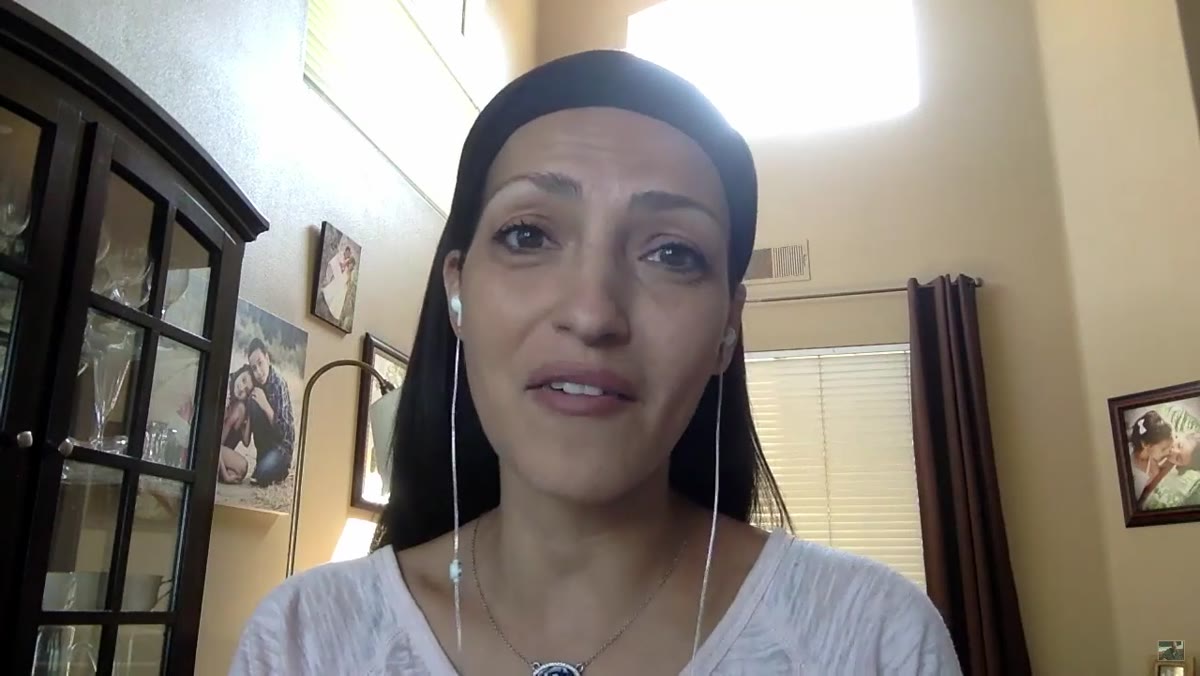 Anna describing her team, family help, and assistants
The third question Brandt gets from photographers everywhere is some version of “how do you do it all?” Her answer is immediate and unambiguous: she doesn’t. She has a team. She has assistants. Her family is part of the operation. She is not a one-person shop trying to handle shooting, editing, client communication, marketing, and business development simultaneously.
Anna describing her team, family help, and assistants
The third question Brandt gets from photographers everywhere is some version of “how do you do it all?” Her answer is immediate and unambiguous: she doesn’t. She has a team. She has assistants. Her family is part of the operation. She is not a one-person shop trying to handle shooting, editing, client communication, marketing, and business development simultaneously.
The mistake most photographers make is waiting until they’re completely overwhelmed to start building support. By then, you’re already dropping things. Start small. A part-time assistant who handles inquiry responses and session reminders changes your capacity dramatically. If budget is the concern, look at photography students who want hands-on experience. Trading a portfolio session for administrative help is a legitimate starting point. The goal is to identify which tasks require your specific skill set and systematically hand off everything else.
Step 5: Treat Repetitive Client Questions as a Product Opportunity
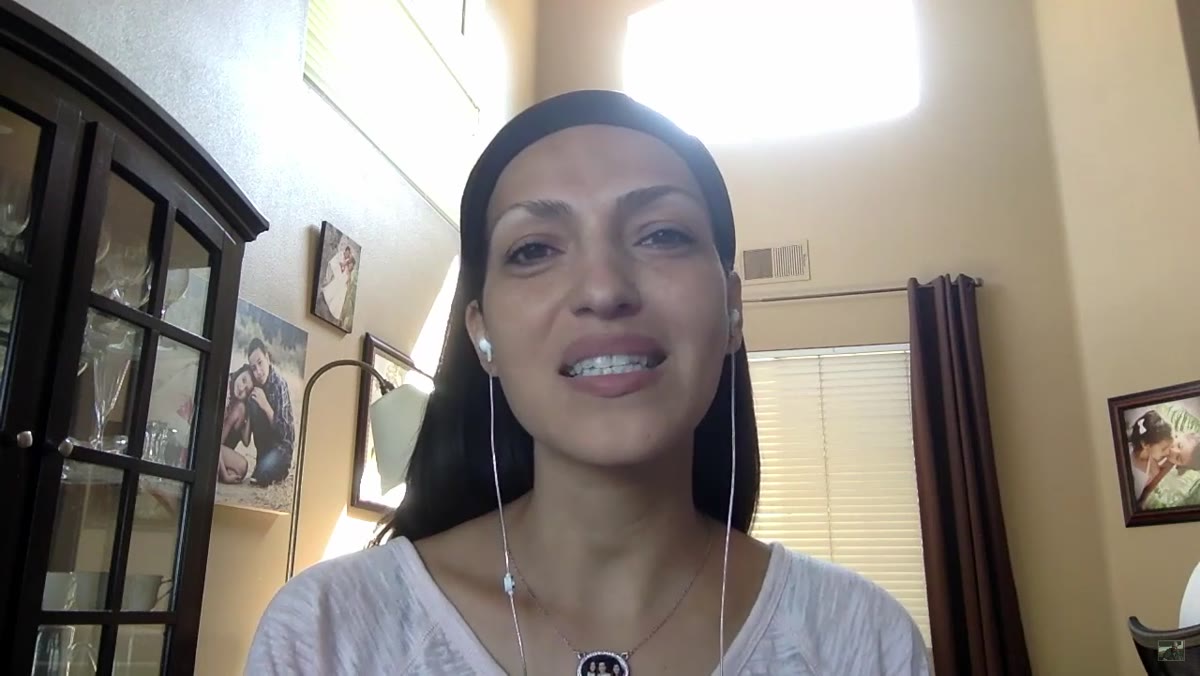 Anna noting she receives the same questions from photographers worldwide
Brandt casually mentions that she gets the same handful of questions from photographers across more than 50 countries every week. She built courses around those questions. That’s not an accident. Repetitive questions are market research in disguise.
Anna noting she receives the same questions from photographers worldwide
Brandt casually mentions that she gets the same handful of questions from photographers across more than 50 countries every week. She built courses around those questions. That’s not an accident. Repetitive questions are market research in disguise.
If you’re getting the same question from clients repeatedly, whether it’s about what to wear, how to prep their baby, or what the session experience looks like, that’s a gap in your communication that you can close with a resource. A prep guide, a short video walkthrough, or even a detailed FAQ email sequence eliminates friction before the session, saves you time on the phone, and positions you as someone who has thought through every detail. I built out our studio’s full pre-session communication suite after realizing I was answering the same five questions on every consultation call. It cut my average call time by 40%.
What I’d Add From My Own Studio
Brandt’s tutorial focuses on operations, and that’s valuable. But the piece I’d layer on top of everything she covers is documentation. Every protocol she describes, the intake questions, the feeding instructions, the sleep prep plan, only works consistently if it’s written down and repeatable. When I first started coaching mothers on session prep, I was doing it verbally on calls. Some clients followed through, some didn’t, and my results were inconsistent. Once I turned it into a written guide that went out automatically with every booking confirmation, my session quality stabilized. Systems make good advice reliable.
The single most important idea in this tutorial is also the least glamorous: the work that determines whether your session succeeds starts before the client ever walks through the door. Camera gear, lighting setups, posing skills, all of that matters. But a baby who arrives exhausted, gassy, and overstimulated will defeat every technical skill you have. The prep is the product.
Watch the full tutorial on YouTube and pay close attention to how Brandt talks about the connection between mother’s nutrition and newborn sleep. That section alone is worth building an entire client prep system around.
Comments (1)
This should be required reading for anyone starting out.
Leave a Comment