I spent years convinced that visibility was the variable I needed to control. More posts, more hashtags, better SEO on my website. My studio in Miami was doing fine, but “fine” wasn’t what I was after. The turning point wasn’t a new marketing strategy. It was realizing I had been optimizing the wrong thing entirely.
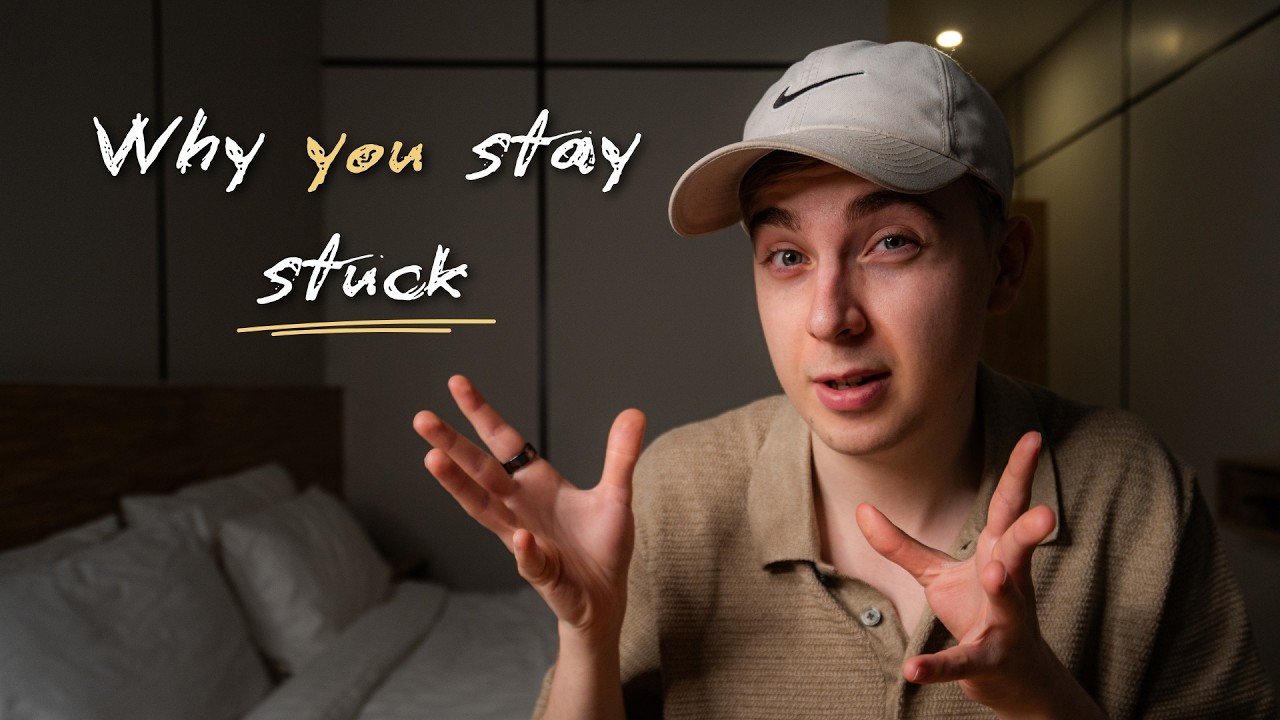
That realization got put into sharp language recently when I watched a tutorial by Hugo Korhonen, a business coach who works with photographers at every stage of their career. Watch the full tutorial on YouTube. His core argument stopped me: the reason most photography businesses stagnate has nothing to do with marketing, and everything to do with what happens after someone hires you. If you have been pouring energy into growing your audience while your client experience sits at “acceptable,” this breakdown is for you.
The framework Hugo lays out is built around three sequential steps. Get one wrong, and the next one won’t save you. Here’s how to work through each one honestly.
Step 1: Audit Whether Your Work Is Actually Undeniable
 Hugo explaining the work quality benchmark
Most photographers assume their work is good enough. The question Hugo pushes you to ask is sharper: are your clients showing off what you made for them? Not politely saying thank you. Actively showing it off, putting it on their website, posting it on social media, referencing it in conversations with other businesses.
Hugo explaining the work quality benchmark
Most photographers assume their work is good enough. The question Hugo pushes you to ask is sharper: are your clients showing off what you made for them? Not politely saying thank you. Actively showing it off, putting it on their website, posting it on social media, referencing it in conversations with other businesses.
The clearest signal that your work clears the bar is unsolicited inbound from people who saw what you did for someone else. Not a lead that found you on Google. A business owner who reached out specifically because they noticed your photos on a client’s Instagram and wanted the same result. That kind of referral only happens when the work itself is doing the selling. If you are not seeing that yet, the bottleneck is the work, and more marketing will just amplify a weak product.
Step 2: Separate “Happy With the Photos” From “Happy With the Experience”
 Hugo distinguishing work quality from overall client experience
This is where a lot of technically skilled photographers lose repeat business without understanding why. A client can love their final images and still quietly decide not to hire you again. Hugo frames it directly: amazing deliverables and a smooth experience are two different things, and you need both.
Hugo distinguishing work quality from overall client experience
This is where a lot of technically skilled photographers lose repeat business without understanding why. A client can love their final images and still quietly decide not to hire you again. Hugo frames it directly: amazing deliverables and a smooth experience are two different things, and you need both.
Think through your last few projects. Were you easy to communicate with? Did you respond promptly? Did the shoot run on schedule? Were there any moments where a client probably felt like they were managing you instead of the other way around? I keep a client experience checklist I use after every project, and the items on it are not all about photography. They are about responsiveness, clarity, professionalism, and whether I showed up prepared. If your process feels even slightly chaotic from the client’s side, that friction is costing you referrals regardless of how good the final gallery looks.
Step 3: Understand That Clients Are Buying an Outcome, Not Photos
 Hugo stating “nobody buys photos, they buy the outcome”
Hugo makes a point here that I think gets missed constantly in photography education. Nobody hires a photographer because they want image files. A business hires you because they want to look more credible, attract better customers, or justify higher prices for their own services. A couple hires a portrait photographer because they want to feel like their family is documented and celebrated. The photos are the vehicle, not the destination.
Hugo stating “nobody buys photos, they buy the outcome”
Hugo makes a point here that I think gets missed constantly in photography education. Nobody hires a photographer because they want image files. A business hires you because they want to look more credible, attract better customers, or justify higher prices for their own services. A couple hires a portrait photographer because they want to feel like their family is documented and celebrated. The photos are the vehicle, not the destination.
This reframes how you should talk about your services, how you should approach a consultation, and how you should follow up after delivery. Ask your clients what they are going to do with the images. Ask whether the photos helped them get the result they were hoping for. When you close that loop and confirm the outcome was achieved, you are building the kind of relationship that generates referrals. When you drop off a gallery link and disappear, you leave that loop open.
Step 4: Build a Referral Engine Before You Build a Marketing Strategy
 Hugo contrasting photographers with followers versus photographers making money
Hugo points out something that should be uncomfortable for anyone spending money on ads or time on content: there are photographers with six-figure incomes and no Instagram presence, and photographers with 100,000 followers who can barely pay their rent. Visibility and revenue are not the same variable.
Hugo contrasting photographers with followers versus photographers making money
Hugo points out something that should be uncomfortable for anyone spending money on ads or time on content: there are photographers with six-figure incomes and no Instagram presence, and photographers with 100,000 followers who can barely pay their rent. Visibility and revenue are not the same variable.
The photographers who grow fastest are the ones whose clients become active promoters. That does not happen by accident. It happens because the experience was smooth, the outcome was real, and the client feels genuinely taken care of. Before you invest another hour in content strategy or another dollar in advertising, ask yourself whether your current clients would refer you without being asked. If the honest answer is probably not, that is where your time belongs.
Step 5: Use Client Satisfaction as a Leading Metric, Not a Lagging One
 Hugo explaining what actually creates consistent bookings
Most photographers measure success by bookings, revenue, or follower count. Those are lagging indicators. By the time they show up, the decisions that created them are months in the past. Hugo’s framework points toward a leading indicator: how stoked is your client right now, during and immediately after the project?
Hugo explaining what actually creates consistent bookings
Most photographers measure success by bookings, revenue, or follower count. Those are lagging indicators. By the time they show up, the decisions that created them are months in the past. Hugo’s framework points toward a leading indicator: how stoked is your client right now, during and immediately after the project?
Build touchpoints into your process specifically designed to check in on satisfaction before the project is fully closed. A quick check-in mid-project, a delivery follow-up call rather than just an email, a 30-day check-in to ask if the images are performing the way they hoped. These steps cost almost no time, and they surface problems while you can still fix them. They also signal to clients that you care about their result, not just your delivery.
What I’d Add From Running My Own Studio
Hugo’s framework is clean and correct, but there’s a practical trap I see photographers fall into when they first hear it: they treat “client experience” as a soft, feelings-based concept rather than a system. Feelings are not repeatable. Systems are.
Every client I work with now goes through the same intake process, the same communication cadence, the same delivery protocol, and the same follow-up sequence. None of it is improvised. When I started tracking which of my past clients had referred new business and which had not, the pattern was clear: referrals came almost entirely from projects where the process was tightest, not necessarily where the photos were my personal favorites. The work still has to be excellent. But excellence plus process is what actually compounds over time.
The single most important shift Hugo’s tutorial is asking you to make is this: stop treating marketing as the solution to a business problem, and start asking whether you have earned the right to grow yet. Consistent bookings come from clients who are genuinely excited about what you delivered, start to finish. Build that first, and the growth becomes significantly easier to sustain.
Watch the full tutorial on YouTube and work through Hugo’s framework yourself. Then come back and audit your last three client experiences honestly.
Comments
Leave a Comment