
I grew up watching my parents undercharge for their photography work. They were talented, clients loved them, and they still struggled because they never built a pricing structure that reflected the value they were delivering. That memory is a big part of why I track numbers obsessively in my own studio and why I pay close attention when another photographer shares real figures publicly. So when I came across this The Portrait System tutorial featuring Kristina Svirskaite, I stopped what I was doing and took notes.
Kristina is not a full-time photographer. She holds down a corporate career, raises three kids, and shoots somewhere between four and eight sessions a month. She started charging $150 per session. Her current client average sits around $1,800. She does this without a permanent studio, primarily shooting outdoors and in clients’ homes. Watch the full tutorial on YouTube
What makes her story useful isn’t the numbers alone. It’s the specific decisions she made to get there, decisions about how she positions her website, how she structures her pricing, how she sells in the home, and how she designed a business around the life she actually has. Here is the walkthrough.
Step 1: Define Your Niche Tightly and Own It Visually
 Nikki describing Kristina’s specialty as lifestyle, family, newborn, maternity
Kristina’s work lives in a specific world: lifestyle family sessions, newborns, maternity, and what she calls “all things motherhood.” That focus is not accidental. When your portfolio tries to serve everyone, it ends up convincing nobody. Kristina’s site communicates a clear visual identity, outdoor, natural light, unposed and warm, that immediately signals who she works with and what the experience will feel like.
If your portfolio is a mixed bag of corporate headshots, weddings, and the occasional pet, potential clients can’t picture themselves in your work. Pick the lane where you do your best work and where demand is strong, then build every page of your site around that specific client.
Step 2: Treat SEO and Google as Your Primary Marketing Channel
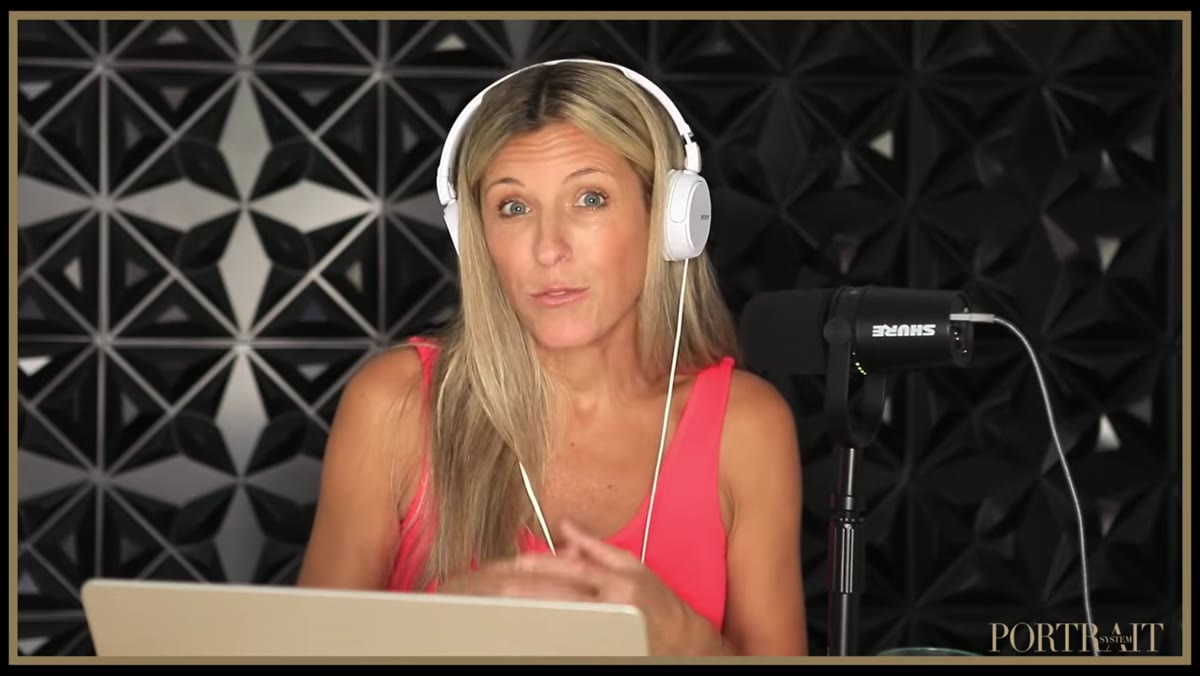 Nikki referencing SEO and Google versus social media
Kristina relied heavily on referrals for years, and when that pipeline slowed down, she had no other system in place. Her answer was not to grind harder on Instagram. It was to go back to SEO and Google search. This is the move most photographers ignore because it feels slower than posting a reel, but a well-optimized website page brings you qualified leads for months or years without any additional work.
The practical version of this: write location-specific service pages, use the phrases your clients actually search (“newborn photographer in [your city]”), and make sure your Google Business Profile is fully filled out and has recent reviews. Social followers feel like momentum, but a page that ranks for the right keyword is a client-generating asset.
Step 3: Write Website Copy That Prequalifies Clients on Price
 discussion of clear website copy and transparent pricing
One of the most concrete things Kristina did was make her pricing clear and her copy direct. When a potential client lands on your site and has no idea what your work costs, they either assume it’s cheap or they leave without inquiring. Transparent pricing, or at minimum a clear starting investment figure, filters out people who aren’t the right fit and builds immediate trust with people who are.
Your copy should also speak directly to the emotional state of your ideal client. A mother booking newborn photos is not thinking about megapixels. She is thinking about capturing something she can never get back. Write to that. Then show her what the investment looks like so she arrives at the consultation already comfortable with the numbers.
Step 4: Build Your Pricing Around a Session Fee Plus Collections Model
 conversation about session fees and collections structure
Kristina uses a session fee plus collections model, which is the structure I recommend to most photographers starting to move toward higher averages. The session fee covers your time and skills at the shoot. The collections, albums, wall art, and print packages, are where the real revenue lives. This separates the “yes” to booking from the “yes” to purchasing, which psychologically makes both decisions easier for the client.
Set your session fee at a number that makes the shoot worth doing even if the client only buys the minimum. Then build collections that make it easy for clients to spend more when they’re excited about their images. Kristina’s average of around $1,800 almost certainly comes from a modest session fee plus a solid mid-range collection purchase, not from charging $1,800 upfront.
Step 5: Sell Wall Art and Albums In the Client’s Home
 Nikki noting that Kristina sells albums and wall art in clients’ homes
In-home sales appointments are one of the highest-leverage moves in portrait photography. Kristina goes to the client’s home to present images, and the reason this works is simple: when a client sees a large print previewed on their actual wall, the emotional case for buying it makes itself. You don’t have to hard-sell anything.
Practically, you need a laptop or tablet for image presentation, a tool like Fundy or similar software to mock up wall art in photos of the client’s space, and a clear ordering process ready to go. Send a pre-session questionnaire that asks clients to photograph the walls where they’d consider hanging art. That single step can meaningfully increase your average sale because you’ve already started the visualization process before the appointment begins.
Step 6: Combine Lifestyle and Posed Techniques for Natural-Looking Sessions
 description of Kristina’s natural unposed look for family and newborn work
Kristina’s style blends lifestyle and posed approaches, especially with newborns. Pure lifestyle can produce inconsistent results. Pure posed can look stiff. The combination gives you safety and spontaneity. She goes into clients’ homes for newborn sessions specifically, which removes the sterile studio feel and lets natural light and familiar surroundings do a lot of the heavy lifting.
For family sessions, she creates relaxed environments where she gives loose direction rather than rigid posing. Think “walk toward me” instead of “everyone stand here and smile.” The candid moments that happen between the formal poses are often what clients end up loving most. Build margins into your session time so you’re not rushing, and let the session breathe.
Step 7: Protect Your Capacity by Capping Your Volume Intentionally
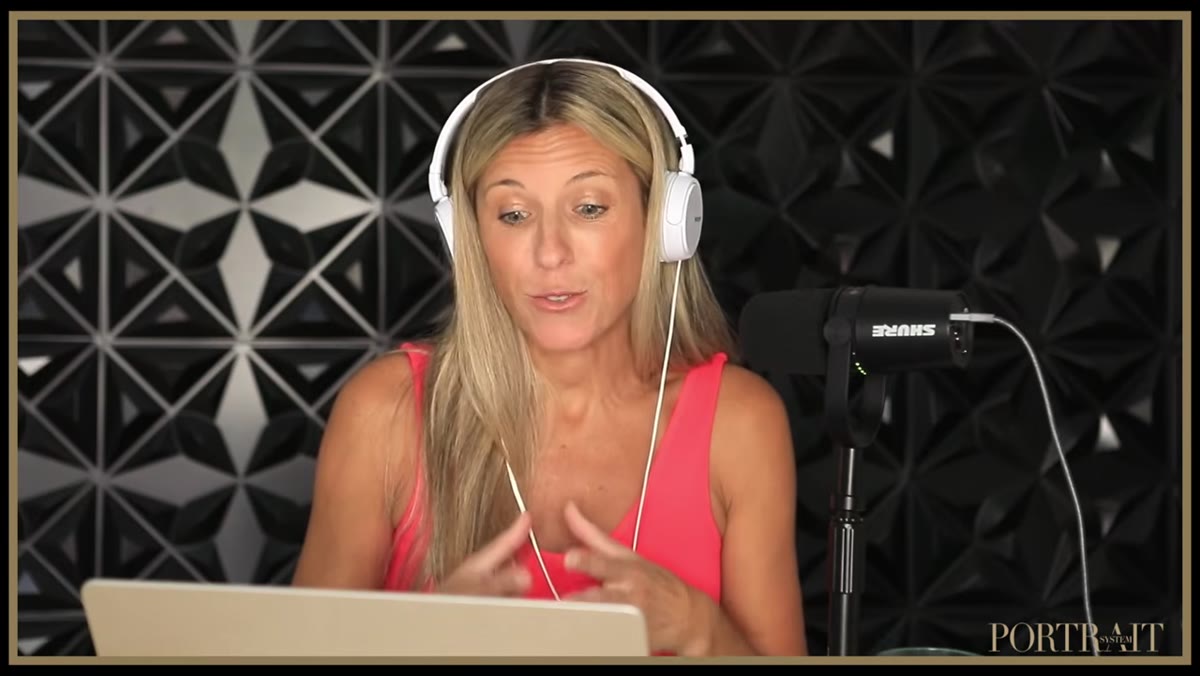 Nikki noting Kristina shoots four to eight sessions per month
Kristina shoots four to eight sessions a month. That ceiling is not a limitation. It’s a design decision. With a corporate job and three children, she built a business around the time she actually has, and that constraint forced her to make each session worth more, both financially and in terms of client experience.
If you’re part-time, stop trying to act like a full-time studio and then feeling behind. Set your monthly cap, price accordingly so that cap still meets your income goals, and use the limited availability as a genuine selling point. Scarcity, when it’s real, builds demand.
What I’d Add From My Own Experience
The piece Kristina’s story confirmed for me is that Instagram followers are not a business metric. I’ve seen photographers with under 500 followers out-earn photographers with 30,000 because they focused on SEO, referrals, and converting inquiries rather than chasing engagement. Your website and your Google presence are working for you at 2am. Your Instagram is not.
If you have been putting off an SEO audit of your site or avoiding transparent pricing because it feels vulnerable, Kristina’s business is a direct argument for doing both this week. The clients who are right for your work and your prices are already searching for you. The question is whether they can find you.
The single most important lesson here is this: you do not have to build a full-time photography business to build a profitable one. You have to build one that’s designed for your actual life and priced for the value you deliver. Kristina proved both are possible at the same time.
Watch the full tutorial on YouTube to hear Kristina walk through her journey in her own words.
Comments (4)
Shared this with my photography group. Everyone loved it.
Clear and practical. No fluff. Appreciate that.
Love how you break down complex stuff into manageable steps.
Been doing this wrong for years apparently. Thanks for the wake-up call.
Leave a Comment