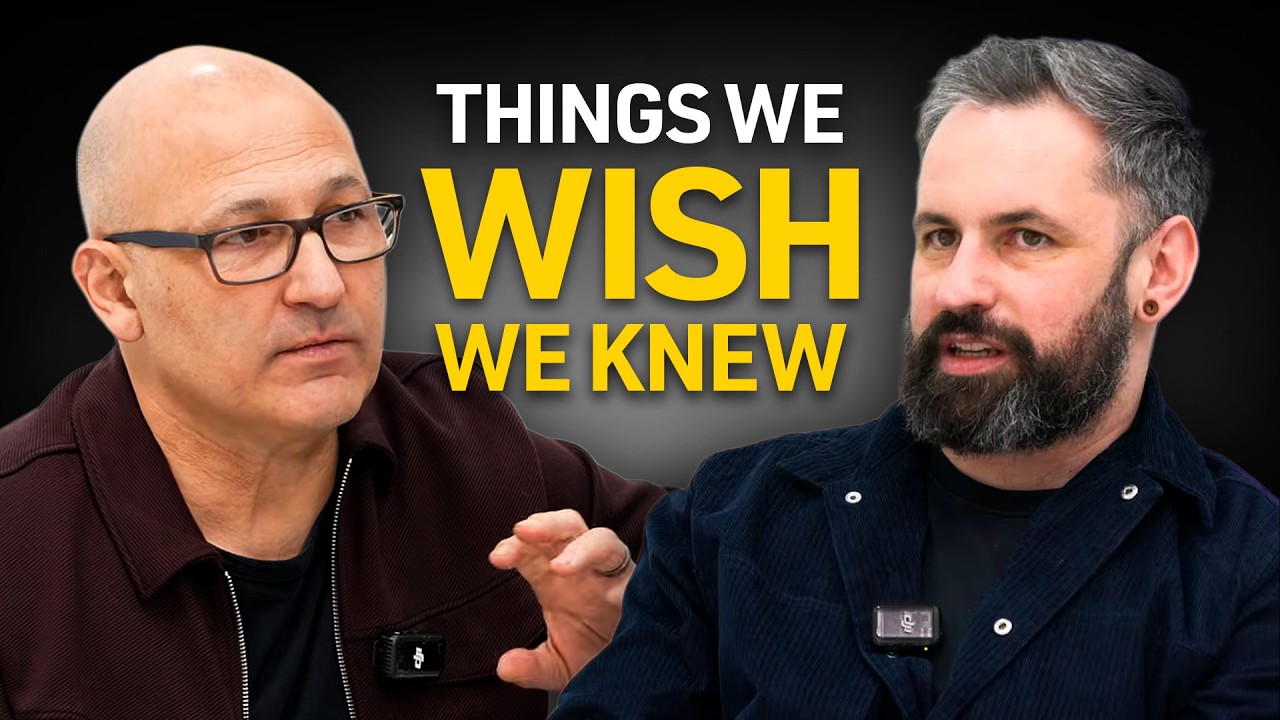
I used to think the photographers landing big advertising campaigns were just better than me technically. Sharper images, fancier gear, some mysterious creative gift. What I eventually learned, running my own studio here in Miami, is that the gap between a photographer grinding through small gigs and one billing for national ad campaigns is almost never about the camera work. It’s about understanding how the commercial industry actually operates, and most of us never get that education until we stumble into it the hard way.
That’s why I keep coming back to this conversation between Carl Taylor and commercial food and still-life photographer Scott Choucino. Watch the full tutorial on YouTube before or after reading this, because the unscripted honesty in it is worth your full attention. This isn’t a polished course with perfectly packaged lessons. It’s a working professional pulling back the curtain on the commercial photography industry in ways most photographers never hear spelled out clearly. I’ve pulled the most actionable threads below and added context from my own experience running a portrait and commercial studio.
Step 1: Recognize That Your Path Into Photography Doesn’t Define Your Ceiling
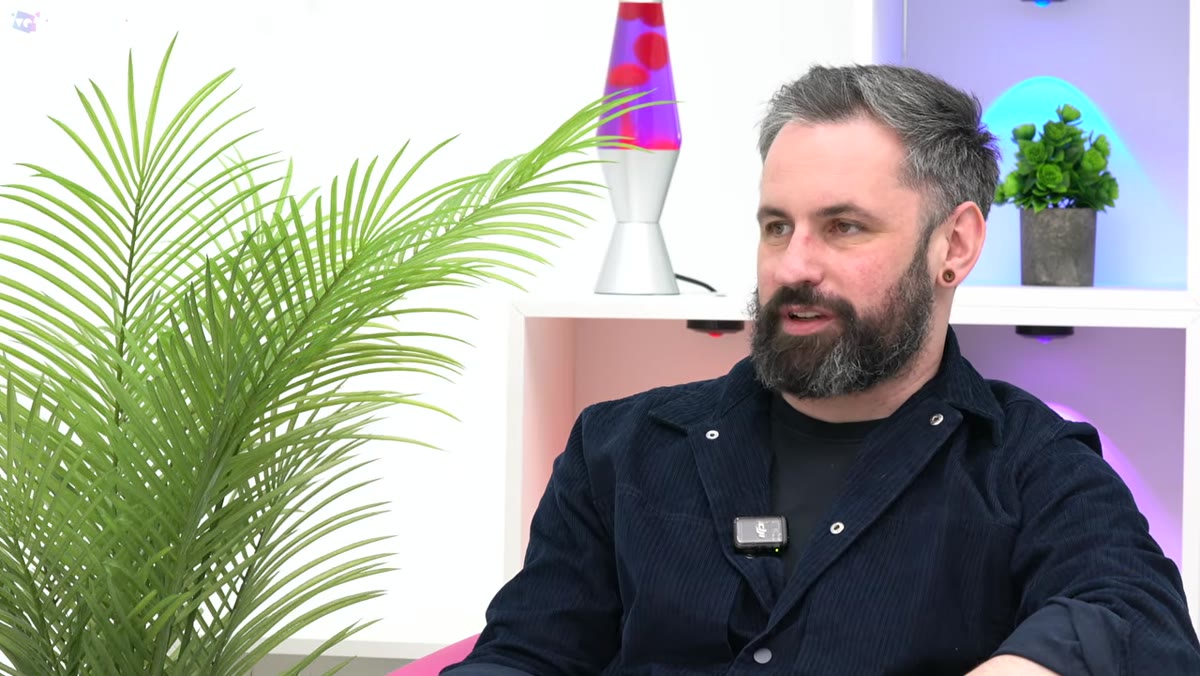 Scott describing his sport science background before photography
Choucino came into photography from sport science, medical project management, and statistics. Not exactly a traditional creative pedigree. His entry point was almost accidental: a friend needed someone to cover a paid shoot, he showed up, clicked the button on a pre-lit camera, and earned what felt like an absurd amount of money for twenty minutes of work. That moment of “wait, this is possible” is what redirected his entire career.
Scott describing his sport science background before photography
Choucino came into photography from sport science, medical project management, and statistics. Not exactly a traditional creative pedigree. His entry point was almost accidental: a friend needed someone to cover a paid shoot, he showed up, clicked the button on a pre-lit camera, and earned what felt like an absurd amount of money for twenty minutes of work. That moment of “wait, this is possible” is what redirected his entire career.
The lesson here isn’t that you need a lucky break. It’s that commercial photography doesn’t require a fine art degree or a linear path. What it does require is the hunger to learn the business side as seriously as the technical side. If you came into photography from retail, healthcare, marketing, or anything else, that background is probably giving you skills, like systems thinking, client communication, or budget awareness, that most photographers genuinely lack.
Step 2: Specialize Deliberately, Then Let That Specialty Evolve
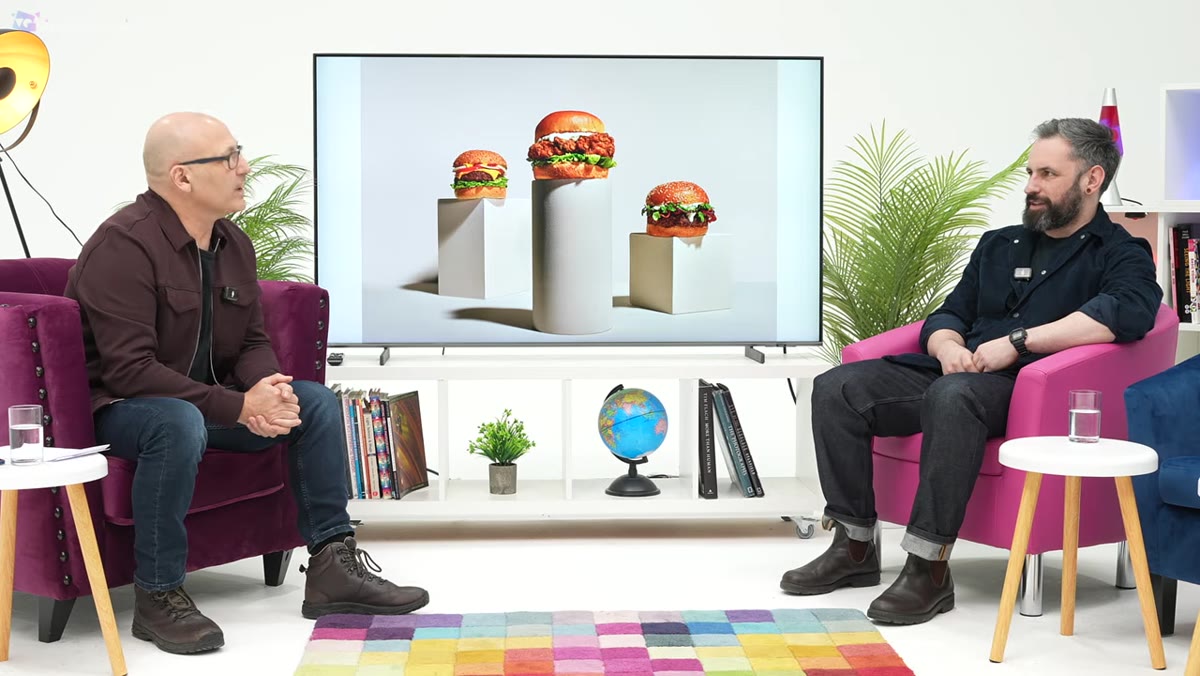 Scott explaining his shift from food to broader still-life work
Choucino built his reputation primarily in food photography, but by the time of this interview, he describes his work as closer to still life, with food making up roughly half his bookings. That distinction matters. He didn’t box himself into a single product type forever. He let his specialty be specific enough to attract serious commercial clients while remaining flexible enough to grow.
Scott explaining his shift from food to broader still-life work
Choucino built his reputation primarily in food photography, but by the time of this interview, he describes his work as closer to still life, with food making up roughly half his bookings. That distinction matters. He didn’t box himself into a single product type forever. He let his specialty be specific enough to attract serious commercial clients while remaining flexible enough to grow.
For photographers trying to break into commercial work, the practical move is to pick one category, food, beauty, product, automotive, and build a portfolio that looks like you’ve already been doing it at a high level. Commercial art directors and agencies are not hiring generalists. They want someone whose book looks like exactly what they’re trying to make. Once you’ve established that credibility, expanding into adjacent territory becomes much easier.
Step 3: Understand How Commercial Pricing Actually Works, Including Usage Fees
 Choucino mentioning financial stakes and client accountability
One of the most important things Choucino touches on is the structure of commercial pricing, and this is where most photographers leave enormous money on the table. In commercial photography, your fee is not just a day rate. It includes a licensing or usage fee that accounts for how the image will be used, where, for how long, and in what markets.
Choucino mentioning financial stakes and client accountability
One of the most important things Choucino touches on is the structure of commercial pricing, and this is where most photographers leave enormous money on the table. In commercial photography, your fee is not just a day rate. It includes a licensing or usage fee that accounts for how the image will be used, where, for how long, and in what markets.
If a brand is putting your photograph on a national billboard campaign, the value of that image to them is not the same as a small social media post. Usage fees exist to capture that value difference. Choucino is clear that if you mess up this pricing structure, it can cost clients millions, and that accountability cuts both ways: you need to know exactly what you’re licensing and charge accordingly. Start researching COGS (cost of goods sold) for your shoots and build production budgets separately from your creative fee. These are different line items and treating them as one lump quote is leaving money behind every single time.
Step 4: Learn What Photography Agents Actually Do and Whether You Need One
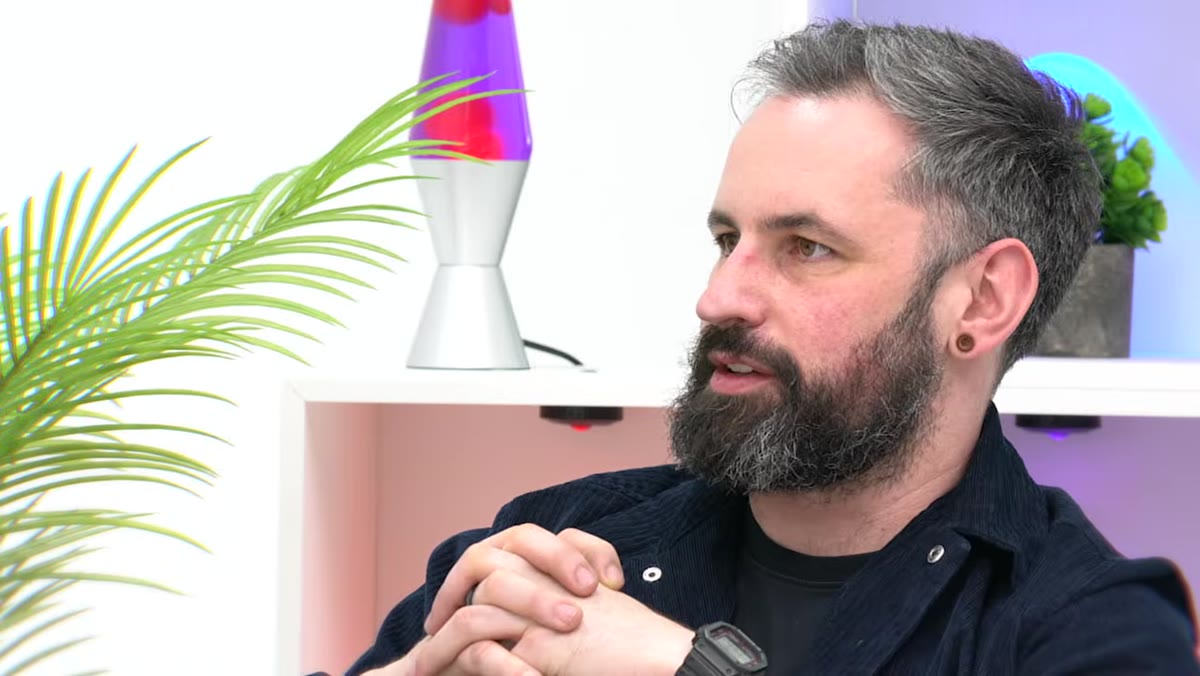 Discussion on working with advertising agencies and representation
Choucino discusses working with photography agents, which is a layer of the industry that most photographers at the emerging level don’t even know exists. An agent represents you to advertising agencies and brands, pitches your work for commercial briefs, negotiates fees, and takes a commission in exchange. The relationship is similar to a talent agent in other creative fields.
Discussion on working with advertising agencies and representation
Choucino discusses working with photography agents, which is a layer of the industry that most photographers at the emerging level don’t even know exists. An agent represents you to advertising agencies and brands, pitches your work for commercial briefs, negotiates fees, and takes a commission in exchange. The relationship is similar to a talent agent in other creative fields.
The practical question for you is whether you’re at the point where an agent makes sense. Generally, agents want photographers who already have a strong book, a defined style, and some commercial credits, because they’re selling you to clients who are spending significant budgets. If you’re not there yet, your energy is better spent building direct relationships with local ad agencies, design firms, and brand marketing teams. Cold outreach with a tight, well-curated portfolio PDF is still one of the most effective moves at that stage.
Step 5: Build Multiple Income Streams Without Apologizing for It
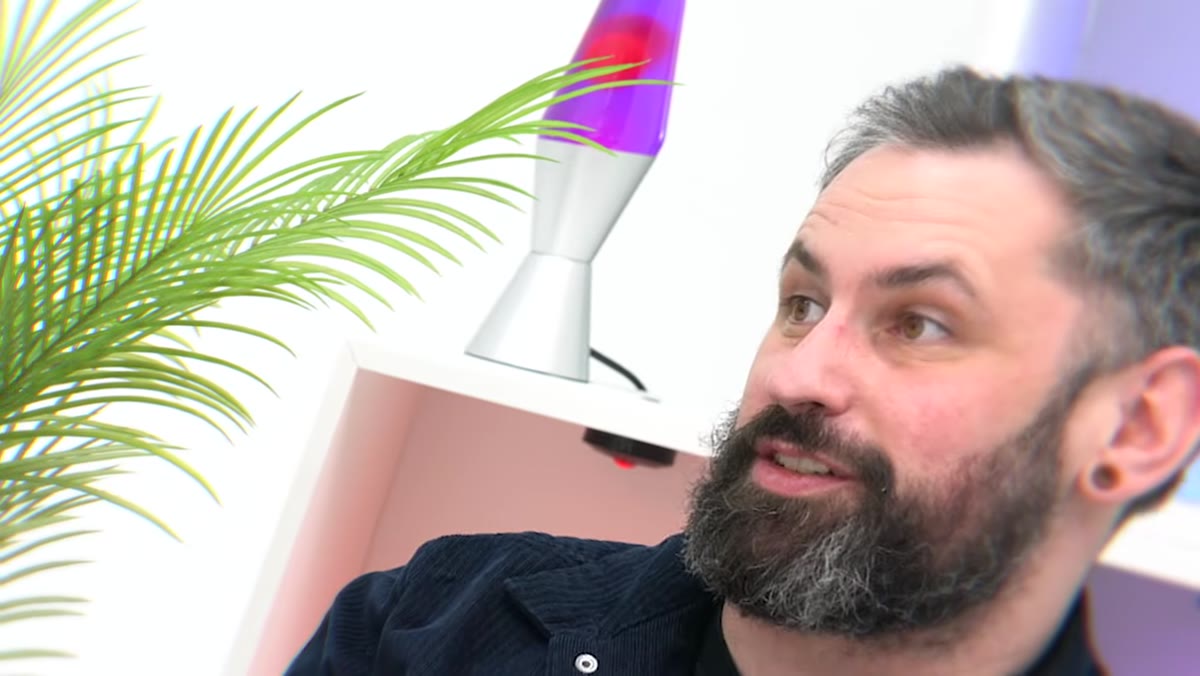 Choucino referencing his best financial year and working fewer months
Choucino’s best financial year as a photographer, by his own account, involved working only three months. The rest of the income came from additional streams he had built alongside his commercial work. He is also candid about the industry gatekeeping around this, pointing out that some commercial photographers look down on peers who create educational content or are seen as having an “influencer” presence, suggesting it makes you less serious as a professional.
Choucino referencing his best financial year and working fewer months
Choucino’s best financial year as a photographer, by his own account, involved working only three months. The rest of the income came from additional streams he had built alongside his commercial work. He is also candid about the industry gatekeeping around this, pointing out that some commercial photographers look down on peers who create educational content or are seen as having an “influencer” presence, suggesting it makes you less serious as a professional.
His position, and mine, is that this attitude is outdated and financially dangerous. Having only one revenue stream in any creative business is fragile. Teaching, licensing, print sales, consulting, YouTube, all of it can coexist with high-end commercial work. My own numbers shifted significantly when I stopped treating studio revenue as my only real income and started building a second stream through teaching business systems to other photographers. That pivot happened because my accountant husband pointed out that my time-per-dollar on some of my “prestigious” work was actually embarrassing compared to what I made per hour teaching. The math doesn’t lie.
Step 6: Take AI Seriously as a Business Risk, Not Just a Creative Debate
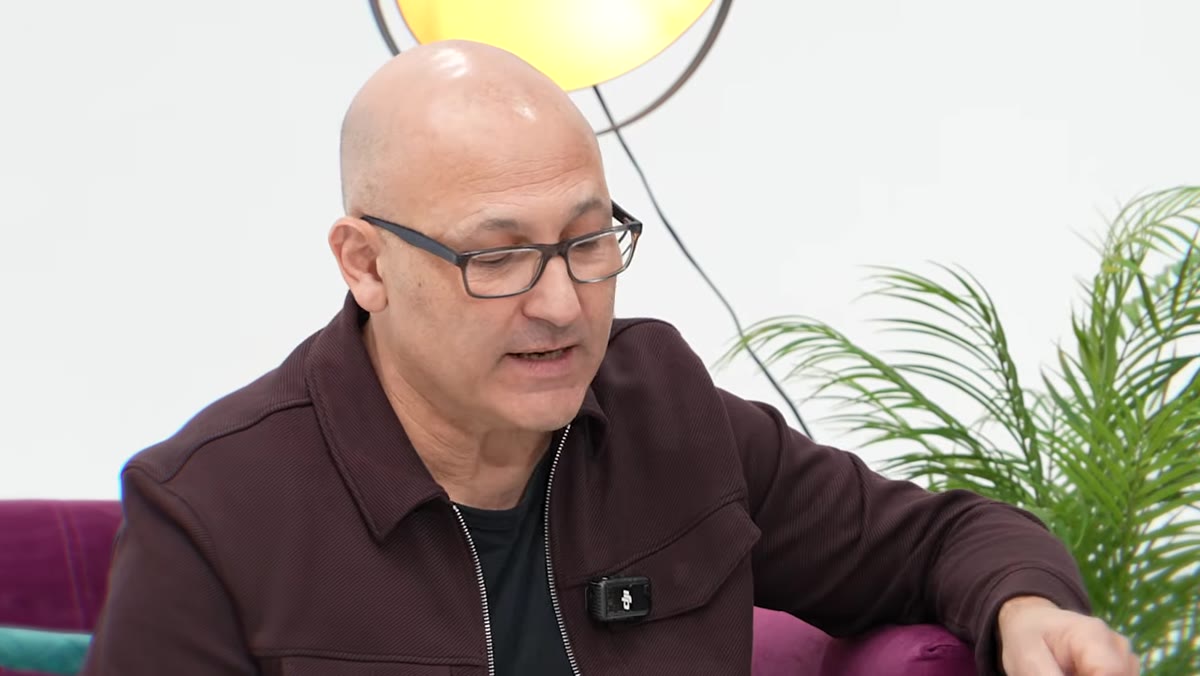 Scott describing AI as a possible existential threat to creative culture
Choucino doesn’t dismiss AI or pretend it’s just a conversation for the distant future. He describes encountering AI as a real part of commercial briefs and production workflows, meaning clients are already asking about it in active project planning. He personally views it as a potential existential threat to creative culture, not as hyperbole, but as a position he’s watching evidence accumulate to support.
Scott describing AI as a possible existential threat to creative culture
Choucino doesn’t dismiss AI or pretend it’s just a conversation for the distant future. He describes encountering AI as a real part of commercial briefs and production workflows, meaning clients are already asking about it in active project planning. He personally views it as a potential existential threat to creative culture, not as hyperbole, but as a position he’s watching evidence accumulate to support.
As a working photographer, the practical response isn’t panic, but it also isn’t wishful thinking that clients will always choose a human. The photographers who will be most protected are those with distinctive visual styles that are difficult to replicate, strong client relationships built on trust and communication, and business models that include services AI can’t replace, like art direction, on-set problem-solving, and the accountability that comes with having a real professional on the job.
What I’d Add From My Own Experience
The single thing this video doesn’t get deep enough into, which I’d push every commercial photographer to address immediately, is the contract. I lost a five-thousand-dollar client years ago because my contract language around usage rights was too vague to enforce. After that, I rebuilt every agreement from scratch with an entertainment attorney. The pricing strategy Choucino describes only works if your paperwork captures what you’ve agreed to. Without that, you’re trusting a handshake on deals that can involve serious money.
The through-line in everything Choucino shares is this: commercial photography is a business before it’s an art form, and photographers who treat it that way build careers that last. The ones who don’t either burn out or get pushed out. Watch the full tutorial on YouTube and pay particular attention to how he talks about pricing and agents. Those two sections alone are worth several hours of business strategy reading condensed into real-world experience.
Comments (6)
Tried this technique this morning. Game changer for real.
Solid advice. Especially the part about taking your time with it.
This is the kind of content that keeps me coming back.
Shared this with my photography group. Everyone loved it.
Just subscribed. If the rest of your content is this good, I'm in.
This is exactly what I needed today. Been struggling with this for weeks.
Leave a Comment