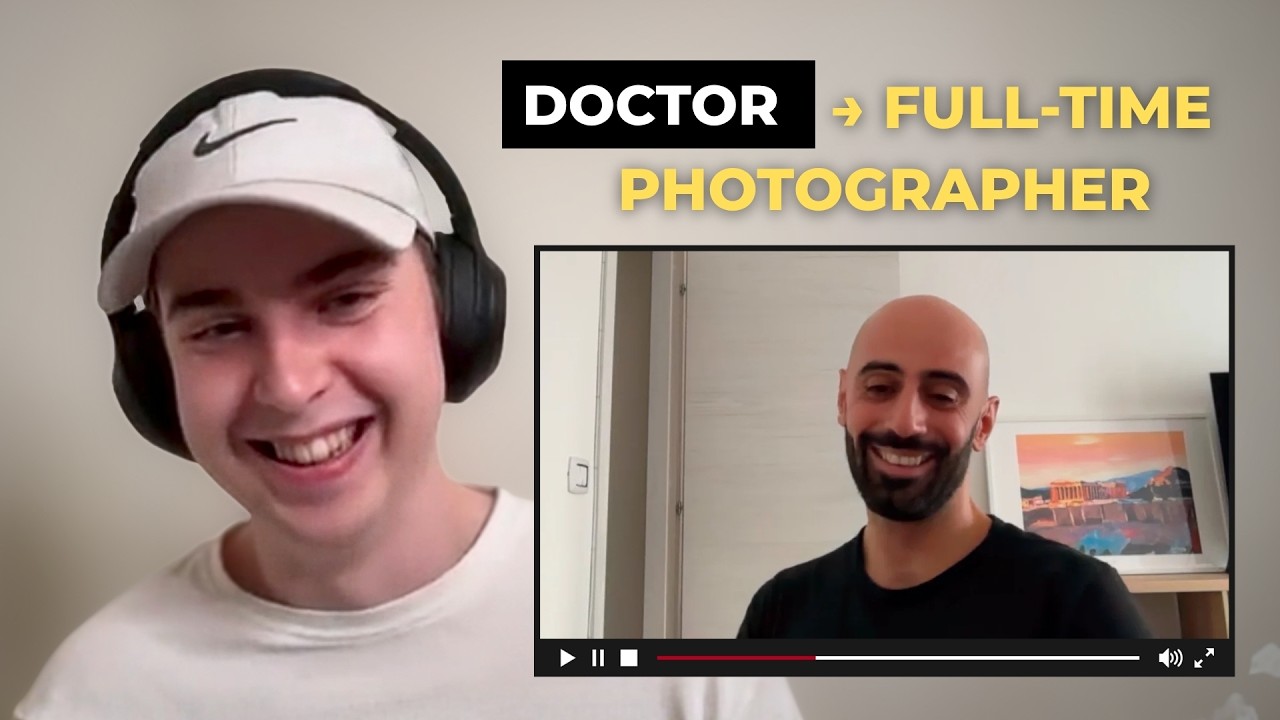
There’s a version of this story I’ve seen play out too many times in my studio community: a photographer with genuinely beautiful work, maybe even some recognition behind their name, sitting at zero paying clients. Not because their photos are weak. Because nobody taught them the part that comes after the shutter click. I watched my own parents run their photography business for years on sheer talent and hustle, never raising their prices, never building a real client pipeline, and it nearly cost them everything. So when I came across this Hugo Korhonen tutorial featuring his student Giando, a doctor from Italy who was shortlisted for Travel Photographer of the Year and still couldn’t land a single paying client, I felt that story in my bones.
Watch the full tutorial on YouTube
What makes this case study worth your time isn’t the feel-good arc of someone leaving a stable medical career to follow a dream. It’s the specific, unglamorous business mechanics that Giando had to learn before that leap became possible. Hugo breaks down each one with enough detail that you can map it directly onto your own situation. Here’s how I’d walk a photographer through the same framework.
Step 1: Audit the Gap Between Your Skill Level and Your Business Knowledge
 Giando explaining he realized photography skills weren’t enough
Before you spend another hour editing a portfolio or tweaking your Instagram grid, get honest about where your actual gap is. Giando had contest-level work. His photography wasn’t the problem. The problem was that he had zero framework for turning that work into revenue. Hugo makes the point clearly: once a photographer’s technical skills are at a certain threshold, additional shooting practice delivers diminishing returns on income. What compounds at that stage is business knowledge. Ask yourself when you last spent as many hours studying client outreach as you did learning a new editing technique. That ratio tells you everything.
Giando explaining he realized photography skills weren’t enough
Before you spend another hour editing a portfolio or tweaking your Instagram grid, get honest about where your actual gap is. Giando had contest-level work. His photography wasn’t the problem. The problem was that he had zero framework for turning that work into revenue. Hugo makes the point clearly: once a photographer’s technical skills are at a certain threshold, additional shooting practice delivers diminishing returns on income. What compounds at that stage is business knowledge. Ask yourself when you last spent as many hours studying client outreach as you did learning a new editing technique. That ratio tells you everything.
Step 2: Get Specific About Who Will Actually Pay You
 Giando describing his struggle to identify who would pay for his work
This is where most photographers stall out, and Giando describes it with uncomfortable accuracy. He was doing travel photography and posting strong images, but he had no clear answer to the question: who is writing me a check, and why? “Travel photography” is a category, not a client. A client is a tourism board with a content budget, a boutique hotel brand building a library of authentic imagery, a travel publication with an editorial calendar. You need to name a specific type of buyer and understand what business problem your photography solves for them. Giando’s breakthrough started when he stopped thinking about his work as art he was sharing and started thinking about it as a service someone needed. Pick one client type, write down the three things they care most about professionally, and make sure your pitch addresses those things directly.
Giando describing his struggle to identify who would pay for his work
This is where most photographers stall out, and Giando describes it with uncomfortable accuracy. He was doing travel photography and posting strong images, but he had no clear answer to the question: who is writing me a check, and why? “Travel photography” is a category, not a client. A client is a tourism board with a content budget, a boutique hotel brand building a library of authentic imagery, a travel publication with an editorial calendar. You need to name a specific type of buyer and understand what business problem your photography solves for them. Giando’s breakthrough started when he stopped thinking about his work as art he was sharing and started thinking about it as a service someone needed. Pick one client type, write down the three things they care most about professionally, and make sure your pitch addresses those things directly.
Step 3: Build a Process for Approaching Clients Before You Feel Ready
 Giando describing his struggle with approaching and contacting clients
Giando’s biggest reported struggle wasn’t pricing or portfolios. It was the simple act of reaching out to a potential client for the first time. He had never done it. That’s more common than photographers admit. The fix isn’t to wait until you feel confident. Confidence in sales comes from repetition, not from preparation. Hugo’s approach is to build a repeatable outreach process: a clear introduction, a concise explanation of what you offer, and a specific call to action. Draft that sequence once, refine it after your first ten attempts, and don’t rewrite it from scratch every time. Treating outreach like a system rather than a performance removes most of the psychological weight.
Giando describing his struggle with approaching and contacting clients
Giando’s biggest reported struggle wasn’t pricing or portfolios. It was the simple act of reaching out to a potential client for the first time. He had never done it. That’s more common than photographers admit. The fix isn’t to wait until you feel confident. Confidence in sales comes from repetition, not from preparation. Hugo’s approach is to build a repeatable outreach process: a clear introduction, a concise explanation of what you offer, and a specific call to action. Draft that sequence once, refine it after your first ten attempts, and don’t rewrite it from scratch every time. Treating outreach like a system rather than a performance removes most of the psychological weight.
Step 4: Understand That Pricing Is a Positioning Statement
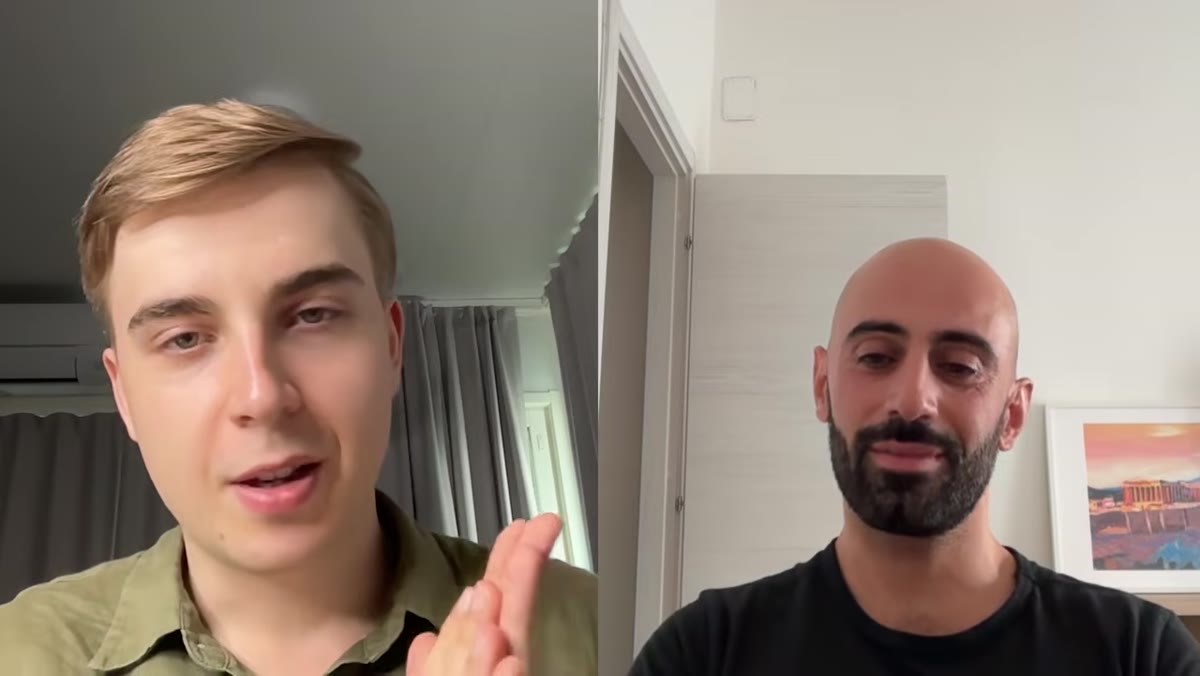 Hugo asking Giando what was most difficult about earning money
One of the quieter lessons in this tutorial is the relationship between pricing and client quality. Hugo doesn’t dwell on it at length, but it’s implied throughout: the clients who push back hardest on price are rarely the ones who value the work most. When Giando was working through how to price his photography, the question wasn’t just “what is this image worth?” It was “what does this price communicate about who I am as a professional?” Underpricing doesn’t just hurt your income. It signals to buyers that you’re uncertain about your own value, and buyers take that cue. Set a rate you can defend in a conversation, know your reasoning behind it, and practice saying it out loud without adding an apology.
Hugo asking Giando what was most difficult about earning money
One of the quieter lessons in this tutorial is the relationship between pricing and client quality. Hugo doesn’t dwell on it at length, but it’s implied throughout: the clients who push back hardest on price are rarely the ones who value the work most. When Giando was working through how to price his photography, the question wasn’t just “what is this image worth?” It was “what does this price communicate about who I am as a professional?” Underpricing doesn’t just hurt your income. It signals to buyers that you’re uncertain about your own value, and buyers take that cue. Set a rate you can defend in a conversation, know your reasoning behind it, and practice saying it out loud without adding an apology.
Step 5: Recognize What Actually Triggers the Decision to Get Help
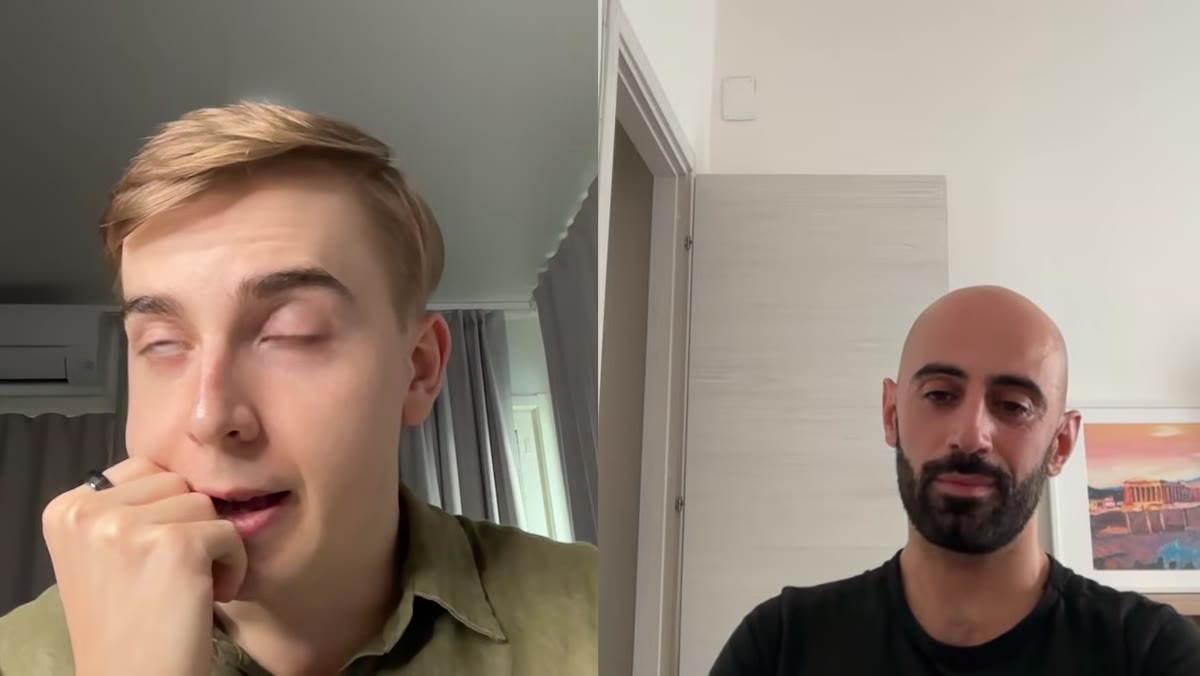 Giando explaining what made him seek out Hugo’s mentorship
Giando didn’t seek out Hugo’s mentorship because he stumbled on a good ad. He reached a specific point of frustration where he knew his current approach wasn’t going to produce different results on its own. Hugo frames this well: most photographers who don’t earn money are stuck in a loop of improving their craft while avoiding the business skills that would actually change their financial situation. The decision to invest in structured help, whether that’s a mentor, a course, or even a peer accountability group, works best when it’s driven by a clear diagnosis of what’s missing rather than general motivation. Know which specific skill you’re paying to acquire.
Giando explaining what made him seek out Hugo’s mentorship
Giando didn’t seek out Hugo’s mentorship because he stumbled on a good ad. He reached a specific point of frustration where he knew his current approach wasn’t going to produce different results on its own. Hugo frames this well: most photographers who don’t earn money are stuck in a loop of improving their craft while avoiding the business skills that would actually change their financial situation. The decision to invest in structured help, whether that’s a mentor, a course, or even a peer accountability group, works best when it’s driven by a clear diagnosis of what’s missing rather than general motivation. Know which specific skill you’re paying to acquire.
Step 6: Use Your First Paying Client as a System Test, Not a Victory Lap
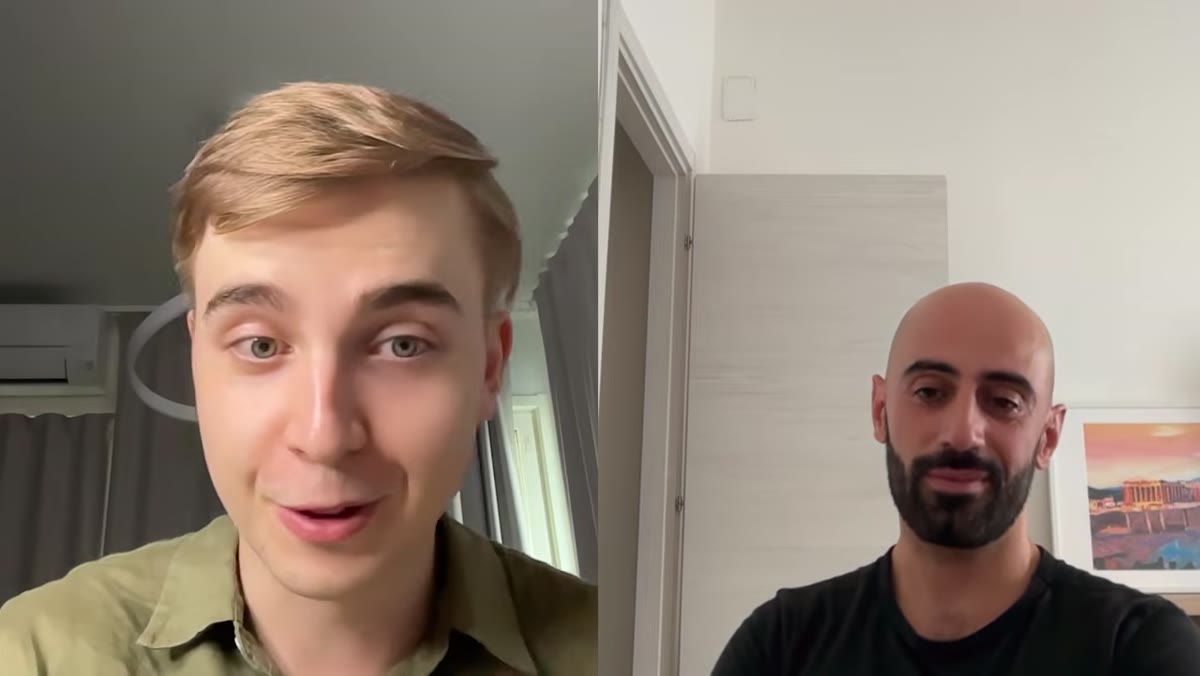 Giando recounting how he landed his first paying client
When Giando landed his first paying client, the details of how it happened are instructive. It came from the outreach habits he had built, not from a viral post or a lucky referral. Hugo’s point here is that the first client matters less as a financial milestone and more as proof that your system works. Once you’ve converted one stranger into a paying client using a repeatable process, you know the process is valid and you can run it again. Document exactly what you did: how you found the lead, what you said, how many follow-ups it took, what closed them. That record is more valuable than the invoice.
Giando recounting how he landed his first paying client
When Giando landed his first paying client, the details of how it happened are instructive. It came from the outreach habits he had built, not from a viral post or a lucky referral. Hugo’s point here is that the first client matters less as a financial milestone and more as proof that your system works. Once you’ve converted one stranger into a paying client using a repeatable process, you know the process is valid and you can run it again. Document exactly what you did: how you found the lead, what you said, how many follow-ups it took, what closed them. That record is more valuable than the invoice.
What I’d Add From Running a Portrait Studio
The piece of this framework I’d push photographers on even harder is the follow-up. In my studio, I track every inquiry through to close, and the data is consistent: the clients who become long-term relationships almost never hired me after the first conversation. They hired me after a second or third touchpoint, usually something simple like a follow-up email that reminded them I existed and showed I was organized enough to stay in contact. Giando’s experience with sales, which he describes as initially uncomfortable, mirrors what I hear from almost every photographer I work with. Sales doesn’t feel natural because nobody positioned it as a professional skill worth developing. It is. Treat your follow-up process with the same rigor you’d give your editing workflow.
The single most important idea in this entire case study is that photography talent and photography income are two separate problems that require two separate skill sets. Giando had one without the other for years. Once he closed that gap deliberately, the decision to leave medicine and shoot full-time became a calculation, not a leap of faith.
Watch the full tutorial on YouTube and pay particular attention to the section starting around the 21-minute mark where Giando walks through his first client acquisition. The specifics of that story are worth more than a month of generic business advice.
Comments (5)
Finally someone explains this in a way that actually makes sense.
Clear and practical. No fluff. Appreciate that.
I've been looking for exactly this kind of tutorial. Perfect timing.
Finally someone explains this in a way that actually makes sense.
This is fantastic. I've been recommending this approach to my readers too.
Leave a Comment