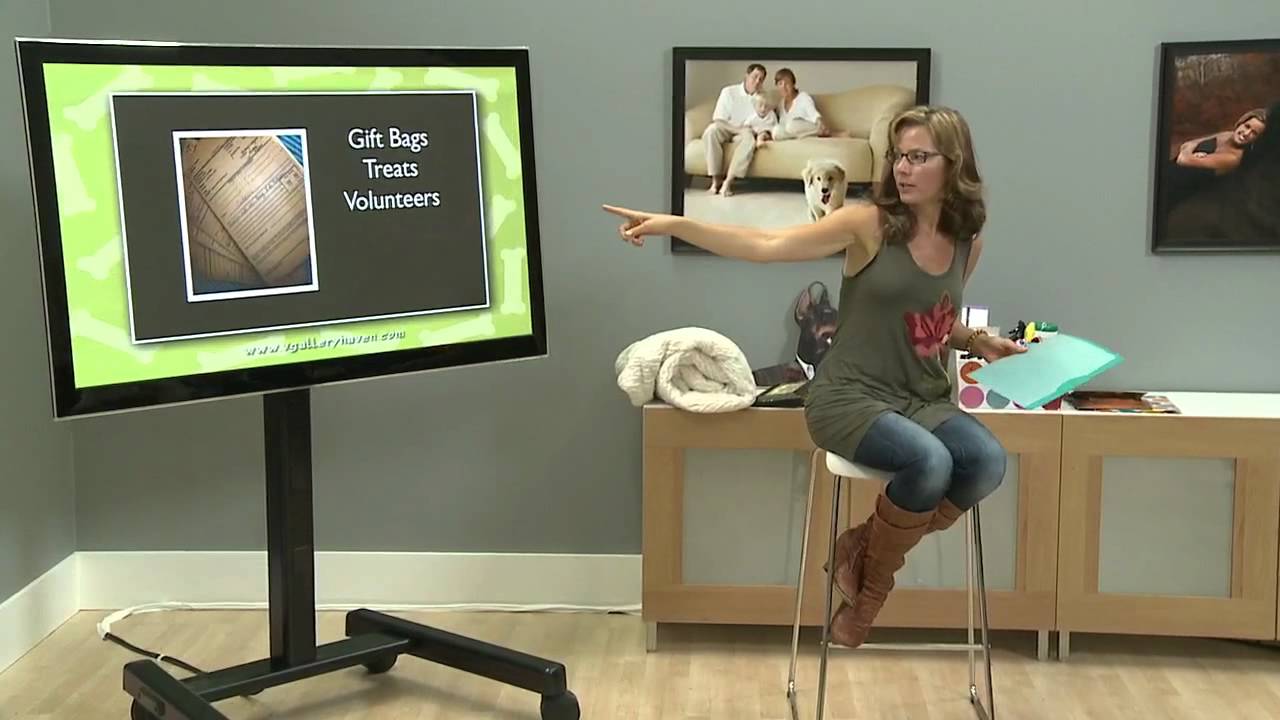
Every studio owner I know is looking for that one marketing move that doesn’t feel like marketing. Not another discount, not another ad campaign that bleeds money quietly into the void. Something that generates genuine excitement, fills your calendar, and makes your community actually want to talk about you. I found a masterclass in exactly that format inside a CreativeLive tutorial featuring photographer Vicki Taufer, who built an entirely new revenue stream for her studio around a single seasonal pet photography event she almost didn’t do. Watch the full tutorial on YouTube
My studio runs a 47-item client experience checklist before any session goes live. I track booking rates, show rates, average sale, everything. So when I say this event model stopped me cold and made me rethink how I approach seasonal promotions, I mean it. What Taufer describes isn’t a gimmick. It’s a repeatable structure with real operational logic underneath it. Here’s how it works, step by step.
Step 1: Start with an existing promotional structure you already use
 Studio already running limited-edition monthly mini sessions
If you already run any kind of limited-edition session or themed mini day, you have the scaffolding for this. Taufer’s studio was already doing what she called “limited editions” once a month, things like kids in ballerina outfits or a session at a nearby lake. The pet event didn’t require building a new system. It slotted into a format her team already knew how to execute. Before you design anything new, look at what you’re already doing and ask whether a pet-themed day could simply replace one monthly slot on the calendar.
Studio already running limited-edition monthly mini sessions
If you already run any kind of limited-edition session or themed mini day, you have the scaffolding for this. Taufer’s studio was already doing what she called “limited editions” once a month, things like kids in ballerina outfits or a session at a nearby lake. The pet event didn’t require building a new system. It slotted into a format her team already knew how to execute. Before you design anything new, look at what you’re already doing and ask whether a pet-themed day could simply replace one monthly slot on the calendar.
Step 2: Choose a charitable angle that creates genuine community goodwill
 Describing the bag-of-dog-food session fee concept
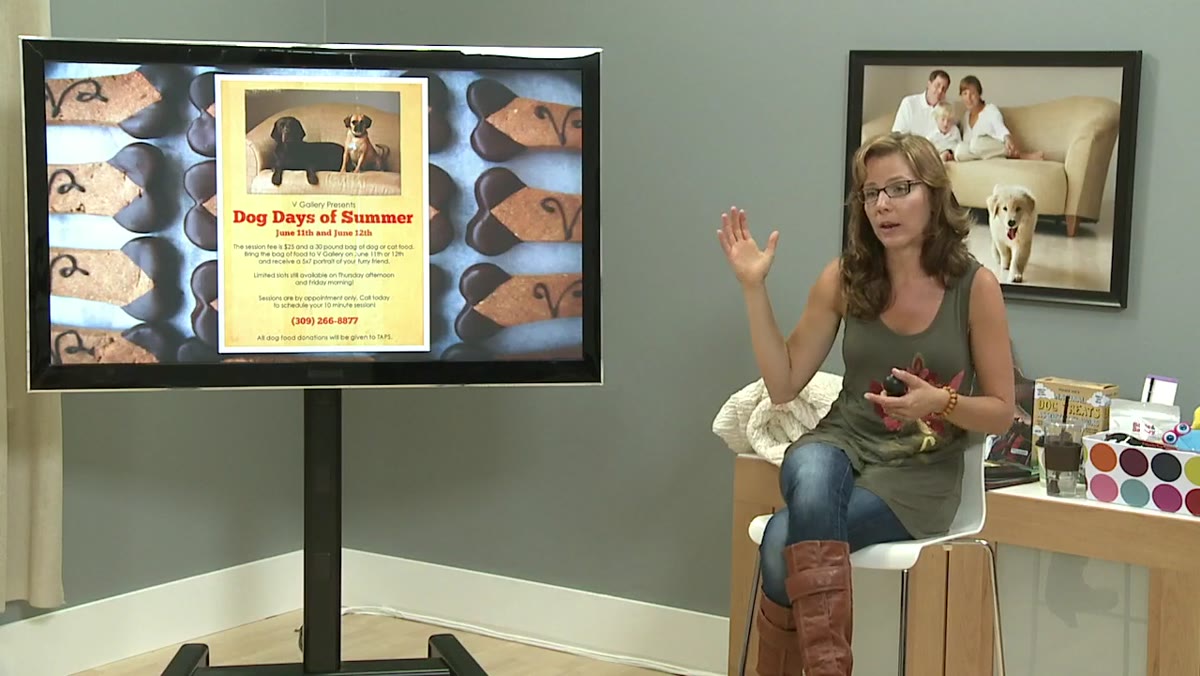
Instead of a traditional session fee for the first event, Taufer asked clients to bring a large bag of dog food to donate to the local animal shelter. No money exchanged hands at the door. The charitable hook lowered the barrier to entry and gave people an easy reason to share the event with friends and family. When someone receives an email about a free session for their dog that also benefits shelter animals, forwarding it feels generous rather than promotional. That’s the mechanism behind the word-of-mouth explosion she describes.
Describing the bag-of-dog-food session fee concept
Instead of a traditional session fee for the first event, Taufer asked clients to bring a large bag of dog food to donate to the local animal shelter. No money exchanged hands at the door. The charitable hook lowered the barrier to entry and gave people an easy reason to share the event with friends and family. When someone receives an email about a free session for their dog that also benefits shelter animals, forwarding it feels generous rather than promotional. That’s the mechanism behind the word-of-mouth explosion she describes.
A critical operational note here: contact the shelter before you promote anything. Shelters often feed specific food brands for the health of their animals, and showing up with 2,600 pounds of mixed donations without coordination creates a logistical nightmare for everyone. Call them, confirm what food they accept, confirm they have staff and space to receive the donation, and get that relationship in place before a single flyer goes out.
Step 3: Limit your marketing channels intentionally
 Email blast and vet’s office cards described as only marketing channels
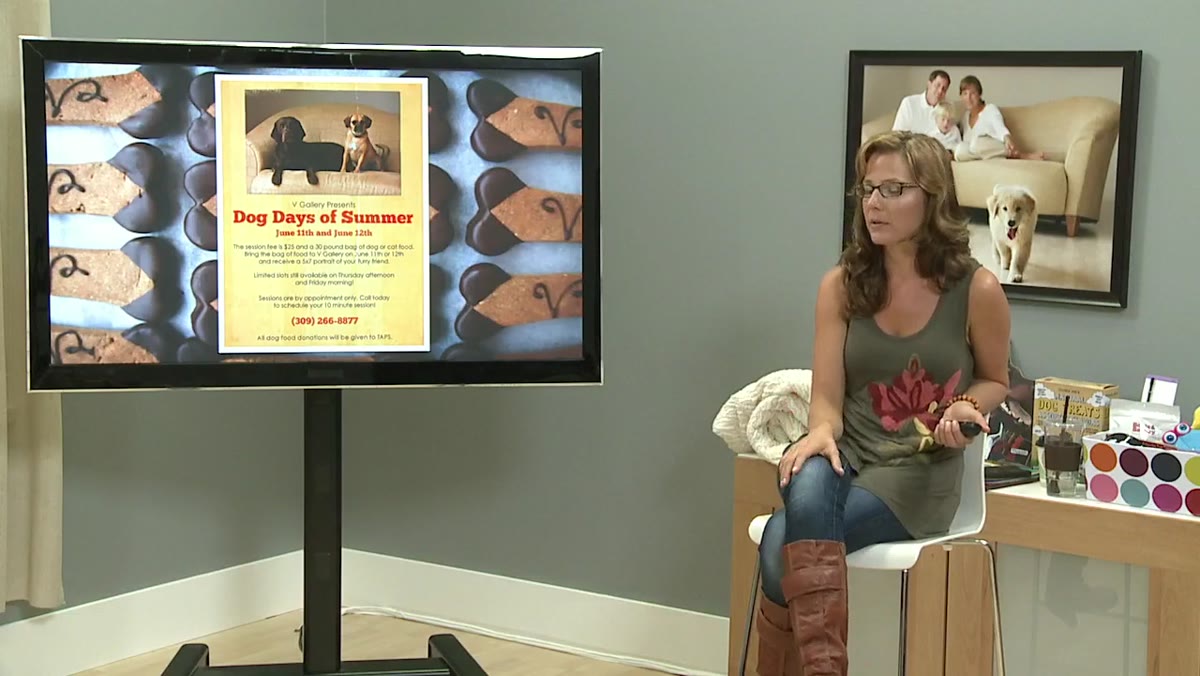
For the first year, Taufer did three things: printed cards and placed them at a local vet’s office, updated her studio website, and sent one email blast to her existing list. That’s it. No paid ads. The restraint is instructive. When you launch a genuinely useful, emotionally resonant promotion to a warm audience, you don’t need a big media budget. You need a clear offer and a network that’s already paying attention. The vet’s office placement is smart targeting, it puts the promotion directly in front of pet owners in a moment when their pet is top of mind.
Email blast and vet’s office cards described as only marketing channels
For the first year, Taufer did three things: printed cards and placed them at a local vet’s office, updated her studio website, and sent one email blast to her existing list. That’s it. No paid ads. The restraint is instructive. When you launch a genuinely useful, emotionally resonant promotion to a warm audience, you don’t need a big media budget. You need a clear offer and a network that’s already paying attention. The vet’s office placement is smart targeting, it puts the promotion directly in front of pet owners in a moment when their pet is top of mind.
Step 4: Build the schedule conservatively, then expand based on real demand
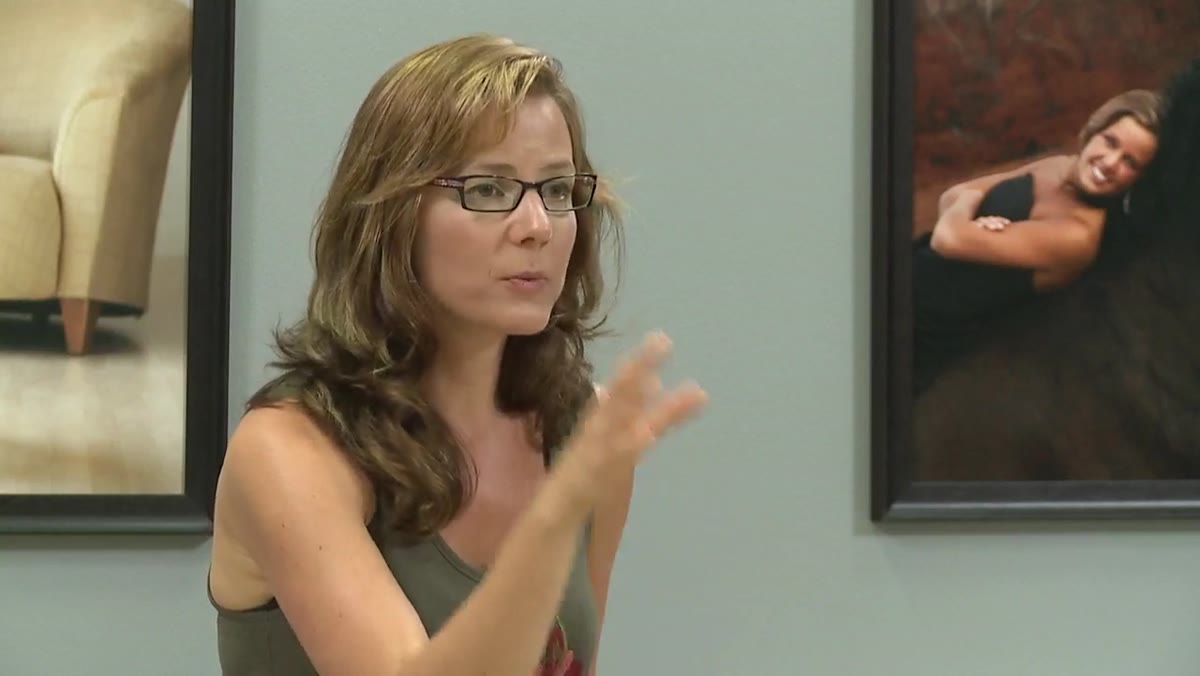 Event sold out and expanded from half a day to two and a half days
Taufer originally blocked out a single afternoon. Within days the time slot was overrun with bookings. Rather than turning people away, she extended the event, first by a day, then another day, then a half day, ultimately running a two-and-a-half day event that photographed over 130 animals with nearly 30 more on a waitlist. The lesson isn’t “go big from the start.” The lesson is that starting small protects you from overcommitting before you understand the demand in your specific market, and a waitlist going into year two is one of the most powerful marketing assets you can build.
Event sold out and expanded from half a day to two and a half days
Taufer originally blocked out a single afternoon. Within days the time slot was overrun with bookings. Rather than turning people away, she extended the event, first by a day, then another day, then a half day, ultimately running a two-and-a-half day event that photographed over 130 animals with nearly 30 more on a waitlist. The lesson isn’t “go big from the start.” The lesson is that starting small protects you from overcommitting before you understand the demand in your specific market, and a waitlist going into year two is one of the most powerful marketing assets you can build.
Step 5: Prepare your physical space for the reality of high-volume pet sessions
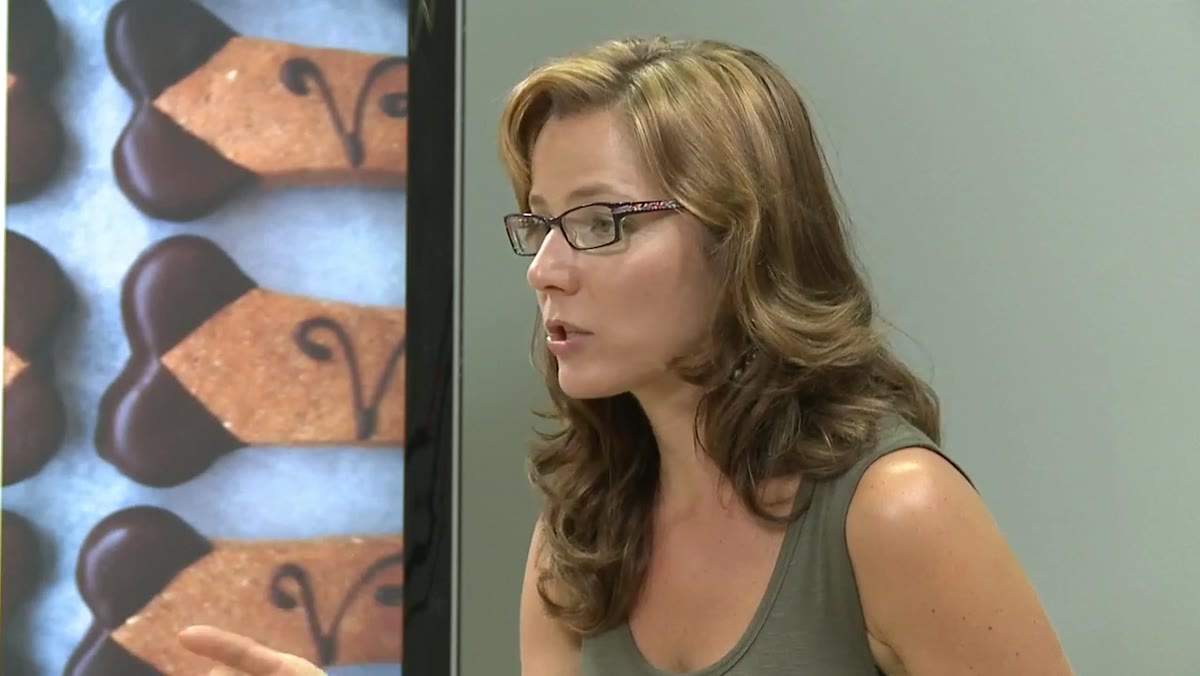 Concern about wood floors and furniture with 130 animals coming through
This is where a lot of photographers would panic, and Taufer admits she did too. She had just finished a full studio remodel with wood floors, couches, and furniture when 130 animals showed up at her door. The key is building a specific set of logistics around flow, containment, and cleanup so the space survives the event and the experience stays high quality for clients. She goes deep on the specific protocols in the full tutorial, but the mindset shift starts here: treat this event like a production, not a regular session day. Every touchpoint, from how clients enter to where animals wait, needs to be planned in advance.
Concern about wood floors and furniture with 130 animals coming through
This is where a lot of photographers would panic, and Taufer admits she did too. She had just finished a full studio remodel with wood floors, couches, and furniture when 130 animals showed up at her door. The key is building a specific set of logistics around flow, containment, and cleanup so the space survives the event and the experience stays high quality for clients. She goes deep on the specific protocols in the full tutorial, but the mindset shift starts here: treat this event like a production, not a regular session day. Every touchpoint, from how clients enter to where animals wait, needs to be planned in advance.
Step 6: Treat the no-show and small-bag problem as a design flaw to fix, not a character flaw to judge
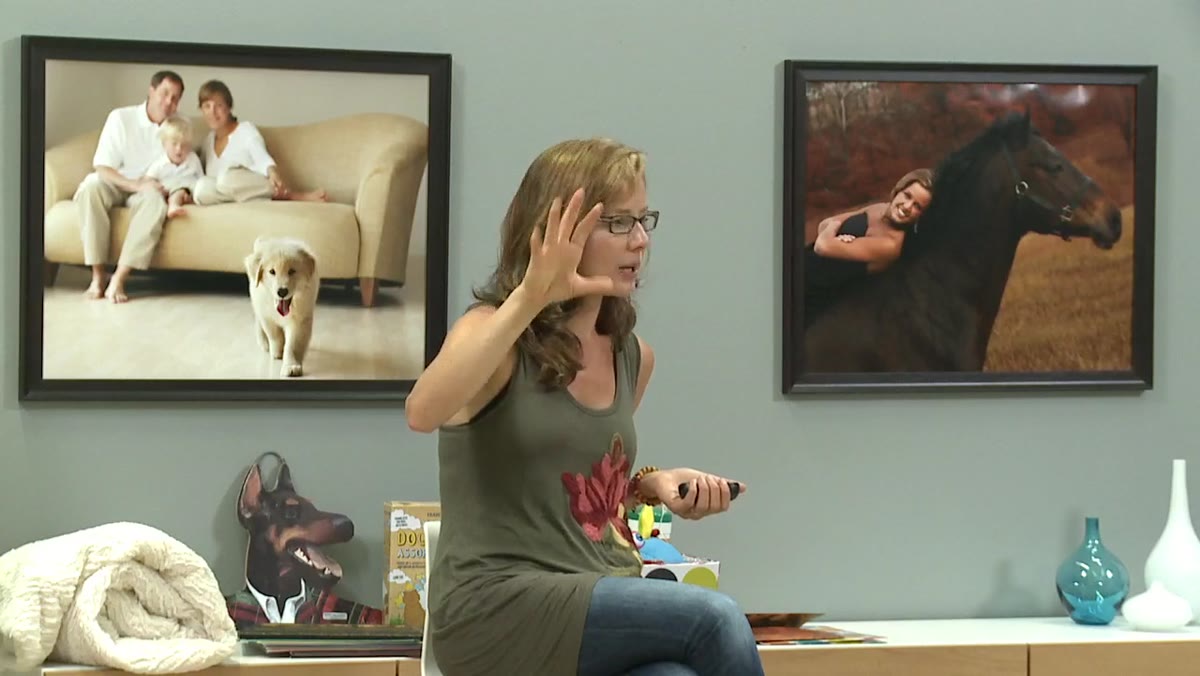 Some clients showing up with small or no bag of dog food
In year one, some clients showed up with a tiny bag of food or skipped the donation entirely. Taufer’s honest about this because it matters operationally. If your entry requirement is vague or easy to sidestep, some percentage of people will sidestep it. In subsequent years the event structure evolved to address this. The fix isn’t to get frustrated with clients. It’s to design the entry requirement with more specificity and accountability baked in so the charitable component stays meaningful and your shelter partner gets consistent value.
Some clients showing up with small or no bag of dog food
In year one, some clients showed up with a tiny bag of food or skipped the donation entirely. Taufer’s honest about this because it matters operationally. If your entry requirement is vague or easy to sidestep, some percentage of people will sidestep it. In subsequent years the event structure evolved to address this. The fix isn’t to get frustrated with clients. It’s to design the entry requirement with more specificity and accountability baked in so the charitable component stays meaningful and your shelter partner gets consistent value.
What I’d add from my own experience running promotional events
The piece Taufer doesn’t cover in this segment, but which I’d build in from day one, is a post-event sales structure that’s as carefully planned as the event itself. The first year I ran a themed promotional day at my studio, I was so focused on the event logistics that I had no real plan for how clients would view and purchase their images. The session revenue was fine. The product revenue was embarrassing. Now I treat the sales appointment as part of the event design, not an afterthought. Before the doors open on any promotional day, I know exactly when each client will come back, what they’ll see, and what the average sale target is. A full calendar with no sales strategy is just a very busy day that doesn’t move your business forward.
The single biggest takeaway from Taufer’s framework is this: a well-designed community event markets itself. The charitable tie-in, the word-of-mouth mechanism, the exclusivity of a single day or short window, these aren’t decorative choices. They’re the engine. If you’ve been waiting for permission to build something like this in your own market, this is it. Start with one afternoon, pick a cause, partner with one local business, and send one email. The demand will tell you how far to take it from there.
Watch the full tutorial on YouTube to hear Taufer walk through the specific logistics, year-over-year changes, and the operational details that kept 130 animals from destroying a newly renovated studio.
Comments (2)
Bookmarked. Coming back to this one for sure.
Great breakdown. The step-by-step approach really helps.
Leave a Comment