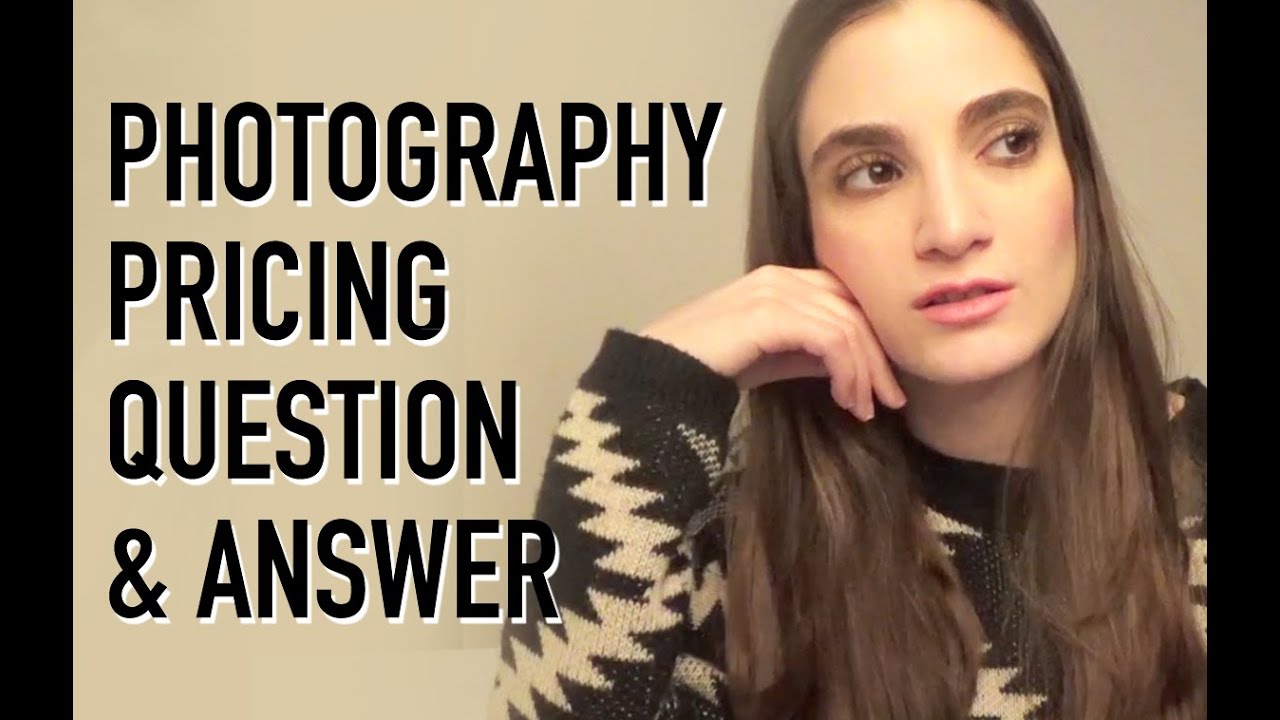
I watched my parents run their photography business for years on prices they set in 2003 and never touched. Loyal clients, beautiful work, empty savings account. That experience is burned into me, which is why I take pricing conversations seriously to the point of obsession. When I came across this Jessica Kobeissi tutorial on pricing Q&A, I kept pausing it to take notes because she was answering the exact questions I still get from photographers in my workshops. Not the theoretical stuff. The messy, real stuff: what do you do when clients want it cheap, do you hand over unedited files, how do you price without a studio? Watch the full tutorial on YouTube
What I appreciate about her approach is that she does not dress it up. She gives you actual numbers, admits what has been hard, and still holds a clear line on what photographers should and should not compromise on. Below I have broken down the key questions she addresses into steps you can apply directly to your own pricing decisions, and I have added a few things I have learned running my own portrait studio here in Miami.
Step 1: Build Your Studio Pricing Around Real Costs, Not Guesses
 Jessica explaining rental cost factors for studio pricing
If you do not have a dedicated studio yet, that does not mean you have to underprice or avoid studio-style work. What it means is that you need to do the math honestly before you quote a client. Start by researching studio rental rates in your area. Add in your lighting and equipment costs, then factor in travel time. That total is your floor. You cannot price below it and stay sustainable.
Jessica explaining rental cost factors for studio pricing
If you do not have a dedicated studio yet, that does not mean you have to underprice or avoid studio-style work. What it means is that you need to do the math honestly before you quote a client. Start by researching studio rental rates in your area. Add in your lighting and equipment costs, then factor in travel time. That total is your floor. You cannot price below it and stay sustainable.
Jessica makes the point that she shoots from her basement for personal and model work, but she would not bring paying clients there. That distinction matters. Know what environment is appropriate for what type of client, and price accordingly. If a client wants a studio session and you need to rent a space, that rental cost goes into the quote. Simple, but a lot of photographers absorb it out of fear of losing the booking.
Step 2: Price Per Look, Then Build Packages Up From There
 Jessica describing per-look pricing for portrait sessions
One of the most practical frameworks Jessica shares is pricing per look, meaning per outfit change. She puts it at around $100 to $125 per look, which gives you a modular structure instead of a one-size-fits-all package that either undercharges or scares people off.
Jessica describing per-look pricing for portrait sessions
One of the most practical frameworks Jessica shares is pricing per look, meaning per outfit change. She puts it at around $100 to $125 per look, which gives you a modular structure instead of a one-size-fits-all package that either undercharges or scares people off.
The reason this works is that it makes the value visible. A client can see exactly what they are paying for. You can also build in a small discount for multiple looks, which encourages clients to book bigger sessions without you having to discount your base rate. Prints and digital files stay as add-ons, billed separately. This keeps your core pricing clean and avoids the mess of clients assuming everything is included.
Step 3: Never Deliver Unedited Images, and Explain Why With Confidence
 Jessica firmly stating originals are not a reflection of her work
This is a boundary issue as much as it is a pricing issue. Jessica is direct about it: unedited files are not your work, they are the raw material you use to create your work. Handing them over is like a chef sending out unseasoned food and asking the customer to finish cooking it.
Jessica firmly stating originals are not a reflection of her work
This is a boundary issue as much as it is a pricing issue. Jessica is direct about it: unedited files are not your work, they are the raw material you use to create your work. Handing them over is like a chef sending out unseasoned food and asking the customer to finish cooking it.
When clients ask for originals, which they will, have a clear answer ready. I tell clients that the edited image is the final product, the same way a print from a darkroom is not the same as the negative. If someone specifically wants more images edited beyond what is included in the package, that is a billable add-on. Building this into your client intake materials means you are not having this conversation at 11pm the night before delivery.
Step 4: Set a Deliverable Count That Matches the Session Type
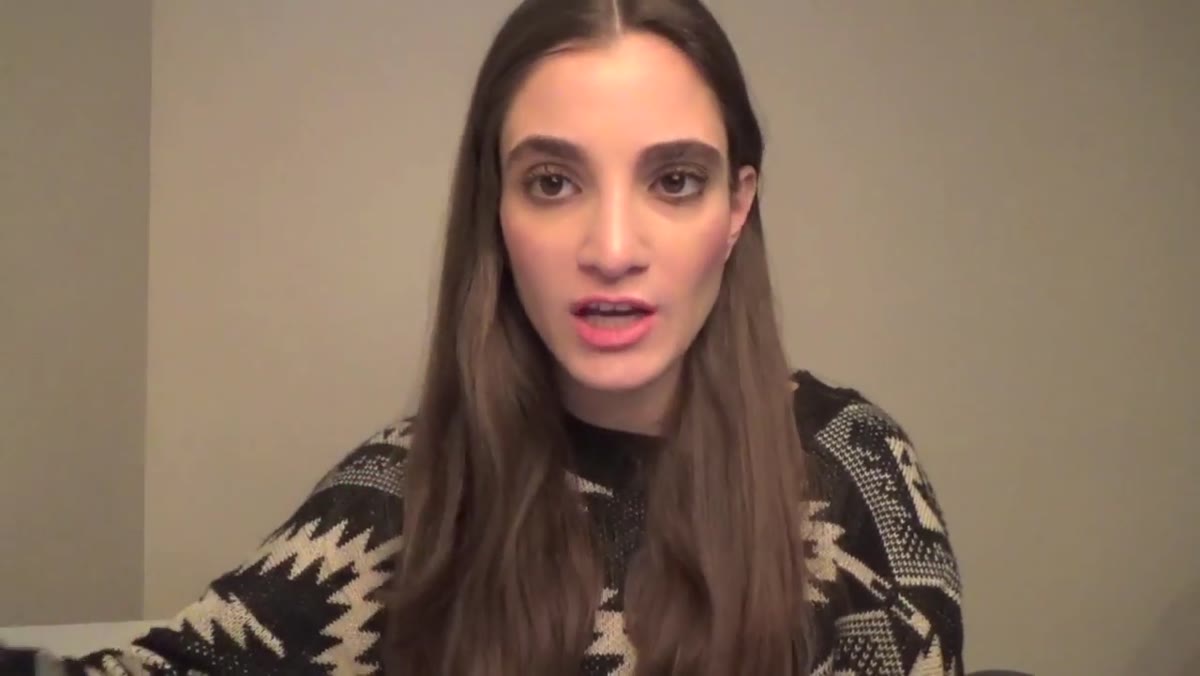 Jessica explaining image count varies by occasion and shoot type
How many images you deliver is not one universal answer, and treating it like one causes pricing problems. Jessica’s framework is simple: more images for bigger investments. Weddings command higher rates and include more deliverables. A portrait or model session typically means one to two strong images per look, with retouching available as an upgrade.
Jessica explaining image count varies by occasion and shoot type
How many images you deliver is not one universal answer, and treating it like one causes pricing problems. Jessica’s framework is simple: more images for bigger investments. Weddings command higher rates and include more deliverables. A portrait or model session typically means one to two strong images per look, with retouching available as an upgrade.
The number you land on should be written into your contract, not loosely communicated. Clients who expect 200 images from a two-hour session are clients who were never told otherwise. When I moved to explicit deliverable counts in my packages, my post-shoot disputes dropped to almost nothing. Clarity is not restrictive. It actually makes clients feel more confident because they know exactly what they are getting.
Step 5: Resist Lowering Your Prices for Clients Who Just Want Cheap
 Jessica responding to the question about losing jobs over pricing
This is the question that stings. You price fairly, you lose the job, and now you are wondering if you are wrong about what your work is worth. Jessica’s honest answer is that someone who values your work will pay for it. She uses the example of a designer handbag, people do not drop $3,000 on a bag because they had to. They do it because they believe it is worth it.
Jessica responding to the question about losing jobs over pricing
This is the question that stings. You price fairly, you lose the job, and now you are wondering if you are wrong about what your work is worth. Jessica’s honest answer is that someone who values your work will pay for it. She uses the example of a designer handbag, people do not drop $3,000 on a bag because they had to. They do it because they believe it is worth it.
The real issue is not your price. It is whether the client in front of you is the right client for what you offer. A client who comes to you only because you are the least expensive option is not going to appreciate the work, and they will be the hardest client you have ever dealt with. Your energy is better spent attracting the client who already values what you do.
Step 6: Start Slightly Below Your Ceiling, Then Raise Deliberately
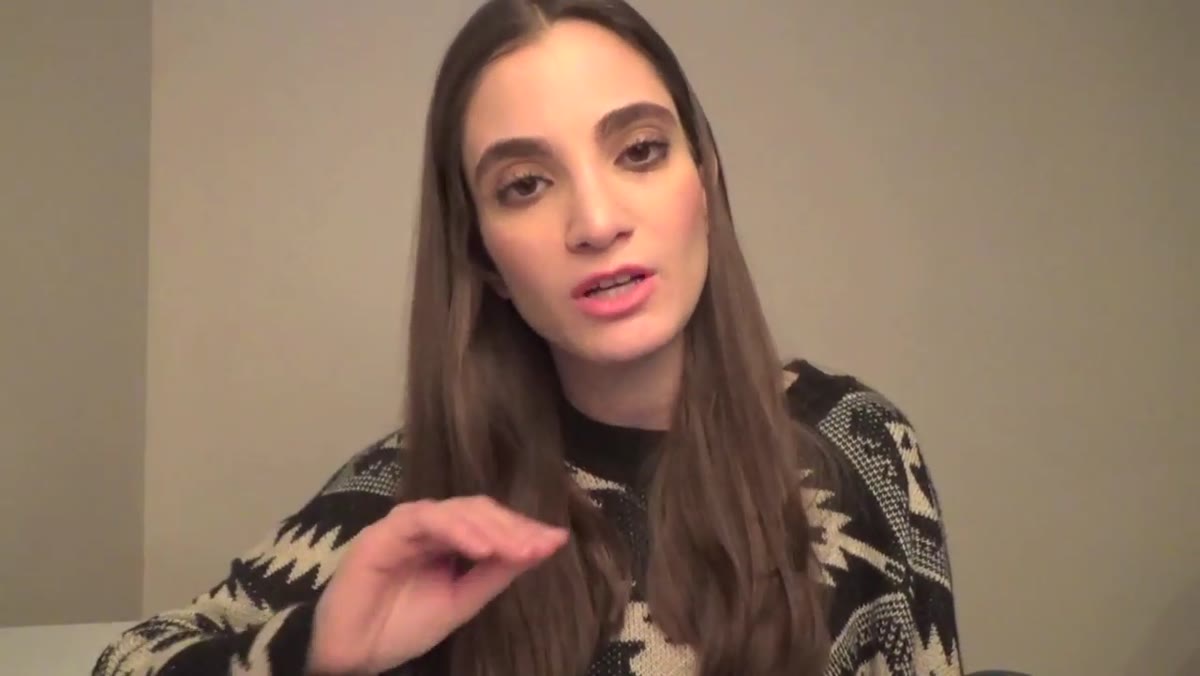 Jessica advising newer photographers to price slightly lower while building reputation
Jessica acknowledges what a lot of experienced photographers resist saying: when you are building your name, your prices can reflect that. Not because your time is worth less, but because reputation is its own currency and you are still earning it. She suggests starting just slightly below where you ultimately want to land, building your client base and your visibility, and then raising prices incrementally as demand grows.
Jessica advising newer photographers to price slightly lower while building reputation
Jessica acknowledges what a lot of experienced photographers resist saying: when you are building your name, your prices can reflect that. Not because your time is worth less, but because reputation is its own currency and you are still earning it. She suggests starting just slightly below where you ultimately want to land, building your client base and your visibility, and then raising prices incrementally as demand grows.
This is not a permanent discount strategy. It is a market entry strategy. I doubled my income the year I stopped being afraid to raise prices after building a solid local following. The adjustment was uncomfortable for about two weeks. Then the right clients started finding me because my positioning finally matched the quality of my work.
What I Would Add From Running My Own Studio
One thing Jessica does not get into here, but that I think is critical, is tracking when and why clients say yes versus no. I keep a simple spreadsheet that logs every inquiry, the quoted price, and the outcome. After a few months, patterns show up. You start to see your actual conversion rate at different price points, which tells you far more than gut feeling ever will. Pricing is not a one-time decision. It is something you revisit every quarter with real data behind you.
The single most important thing to take from this breakdown: your price is a communication. It tells clients what category you are in, what to expect from the experience, and whether you take your own work seriously. Set it accordingly, defend it with confidence, and let it rise as your reputation earns it.
Watch the full tutorial on YouTube to hear Jessica walk through these questions in her own words.
Comments
Leave a Comment