
When my studio went dark for weeks, the silence was loud. No bookings coming in, no shoots on the calendar, and a very patient but increasingly curious husband asking whether I had a plan. What I did have was time, and I used a chunk of it watching every piece of business education I could find. The tutorial that hit hardest was a live coaching session from Sue Bryce through The Portrait System, specifically built for photographers figuring out how to reopen and re-engage without blowing up everything they had built. Watch the full tutorial on YouTube
What makes this session worth your time is that Sue does not speak in vague motivational language. She breaks photographers into four business stages and gives each group a specific action plan. That level of specificity is rare. It also forced me to be honest about where I actually was in my business, not where I wished I was. If you are reopening a studio or trying to restart momentum after any kind of disruption, this walkthrough will save you a lot of second-guessing.
Step 1: Identify Which Business Stage You Are Actually In
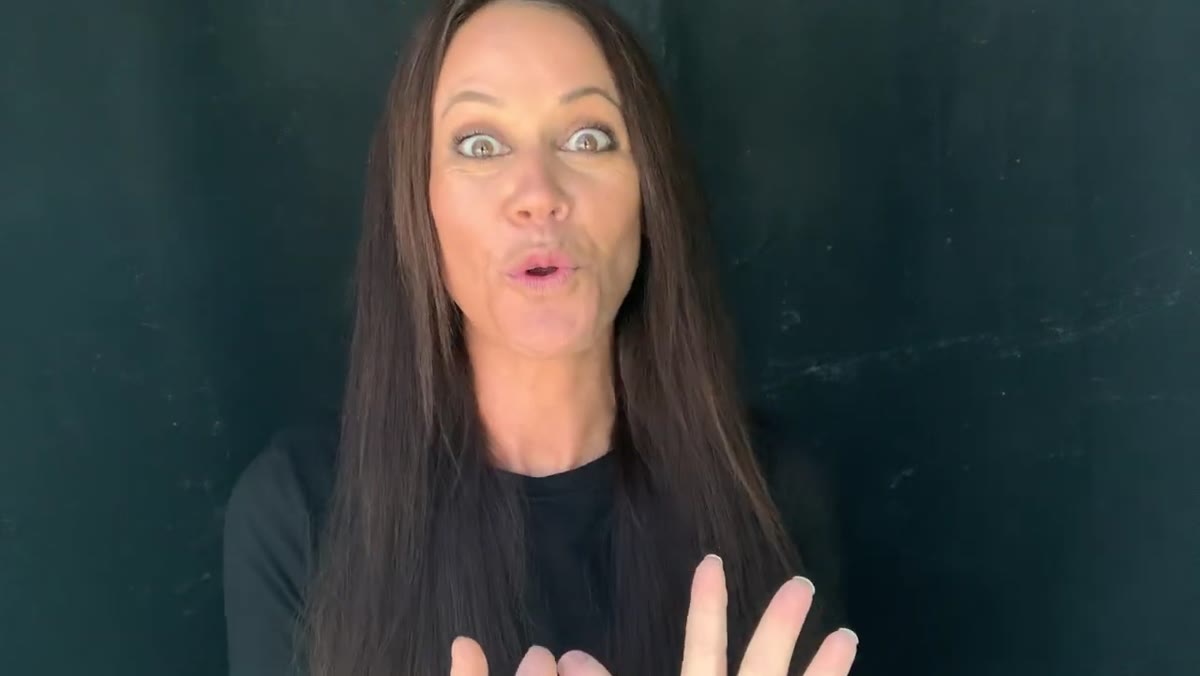 Sue explaining four photographer groups on screen
Before you can act, you need an honest diagnosis. Sue identifies four groups: folio builders who are still learning and building their portfolio, startup photographers who have begun selling but lack consistency, intermediate studios with three to five years of experience and a reliable average sale, and established businesses that are optimizing rather than surviving. Most photographers misplace themselves. They identify up because it feels better. Resist that. The action plan for each group is different enough that picking the wrong one will waste your relaunch energy.
Sue explaining four photographer groups on screen
Before you can act, you need an honest diagnosis. Sue identifies four groups: folio builders who are still learning and building their portfolio, startup photographers who have begun selling but lack consistency, intermediate studios with three to five years of experience and a reliable average sale, and established businesses that are optimizing rather than surviving. Most photographers misplace themselves. They identify up because it feels better. Resist that. The action plan for each group is different enough that picking the wrong one will waste your relaunch energy.
Step 2: Folio Builders, Focus on Booking Models Now
 Discussion of folio builders finding and booking models
If you are still in the portfolio-building stage, the reopening period is not a crisis. It is actually an opportunity to accelerate. Sue’s directive for this group is simple: find models and get them booked. You can shoot for your portfolio under most reopening restrictions because you are working one-on-one or in very small groups. The key task is communication. Before any shoot, be clear with your model about your liability policies, any health and safety protocols you are following, and what they can expect on the day. Draft a short written agreement and send it before the session. This protects both of you and immediately positions you as a professional.
Discussion of folio builders finding and booking models
If you are still in the portfolio-building stage, the reopening period is not a crisis. It is actually an opportunity to accelerate. Sue’s directive for this group is simple: find models and get them booked. You can shoot for your portfolio under most reopening restrictions because you are working one-on-one or in very small groups. The key task is communication. Before any shoot, be clear with your model about your liability policies, any health and safety protocols you are following, and what they can expect on the day. Draft a short written agreement and send it before the session. This protects both of you and immediately positions you as a professional.
Step 3: Startup Photographers, Reactivate Your Existing Leads
 Coaching startup photographers on re-engaging early clients
The startup group has a specific and urgent job: go back to every client or lead that was warming up before the shutdown and restart that conversation. You had people who were interested. They did not disappear. What you cannot do, and Sue is direct about this, is let the economic anxiety around a reopening period push you into discounting. Photographers in the startup phase are just getting comfortable with selling at value. A downturn economy brings out every guilt-based objection a client can muster, and if you are not grounded in your pricing rationale, you will cave. Make a list of every lead that went quiet. Reach out personally, not with a mass email. Keep your prices where they were. Lead with the experience you offer, not a deal.
Coaching startup photographers on re-engaging early clients
The startup group has a specific and urgent job: go back to every client or lead that was warming up before the shutdown and restart that conversation. You had people who were interested. They did not disappear. What you cannot do, and Sue is direct about this, is let the economic anxiety around a reopening period push you into discounting. Photographers in the startup phase are just getting comfortable with selling at value. A downturn economy brings out every guilt-based objection a client can muster, and if you are not grounded in your pricing rationale, you will cave. Make a list of every lead that went quiet. Reach out personally, not with a mass email. Keep your prices where they were. Lead with the experience you offer, not a deal.
Step 4: Intermediate Studios, Audit Your Average Sale
 Sue discussing intermediate studios and consistent average sales of $1,600 to $2,800
If you are in the intermediate range, typically three to five years in with a consistent average sale somewhere between $1,600 and $2,800, your job is to protect that number. This is not the time to introduce introductory pricing to attract volume. Sue’s coaching for this group is about maintaining consistency, reviewing what was working in your sales process before the shutdown, and re-entering with confidence rather than apology. Pull your numbers from the last 12 months. What was your average sale? What percentage of clients purchased above that? Where did you lose sales? Answer those questions before you open your calendar back up.
Sue discussing intermediate studios and consistent average sales of $1,600 to $2,800
If you are in the intermediate range, typically three to five years in with a consistent average sale somewhere between $1,600 and $2,800, your job is to protect that number. This is not the time to introduce introductory pricing to attract volume. Sue’s coaching for this group is about maintaining consistency, reviewing what was working in your sales process before the shutdown, and re-entering with confidence rather than apology. Pull your numbers from the last 12 months. What was your average sale? What percentage of clients purchased above that? Where did you lose sales? Answer those questions before you open your calendar back up.
Step 5: Communicate Your Safety Protocols as a Value Proposition
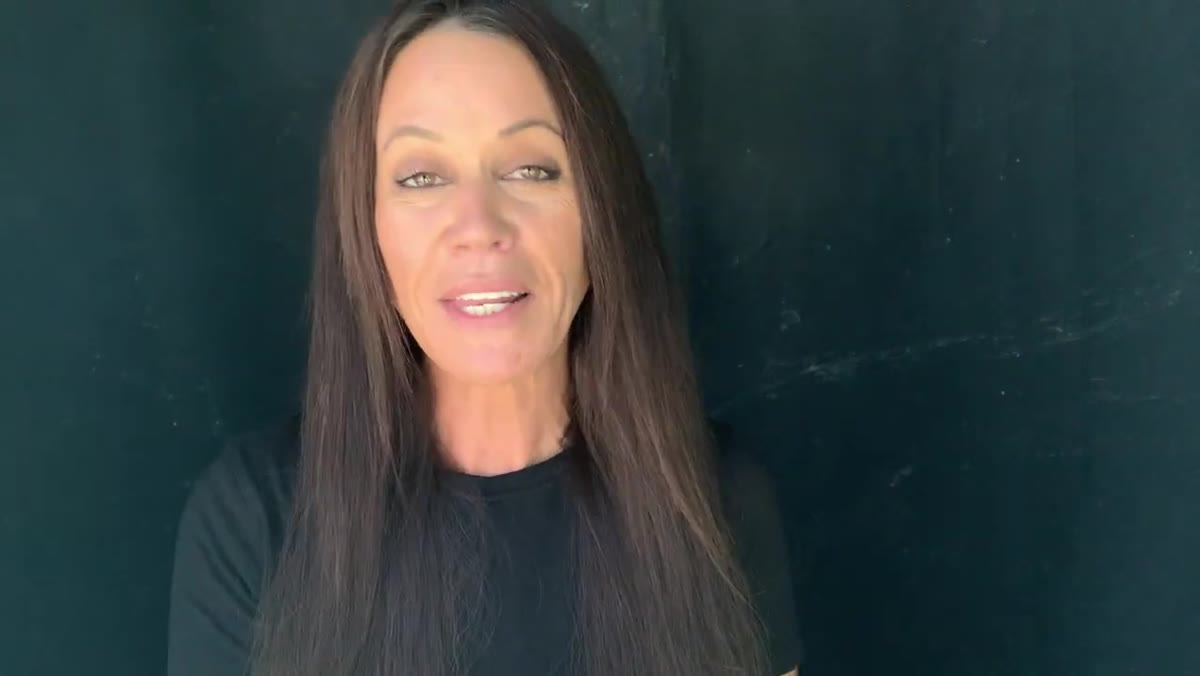 Conversation about communicating liability and restrictions to clients
Every group needs to handle this one. When you reopen, clients are going to have questions they have never had before about your studio environment. Sue’s guidance here is not to treat safety communication as a legal checkbox, but to build it into your client experience. Write out your protocols clearly and include them in your booking confirmation. Consider a short pre-session email that walks clients through what to expect when they arrive. This reduces friction, builds trust, and differentiates you from photographers who are just reopening without any visible preparation. Clients who feel safe become clients who spend more and refer more.
Conversation about communicating liability and restrictions to clients
Every group needs to handle this one. When you reopen, clients are going to have questions they have never had before about your studio environment. Sue’s guidance here is not to treat safety communication as a legal checkbox, but to build it into your client experience. Write out your protocols clearly and include them in your booking confirmation. Consider a short pre-session email that walks clients through what to expect when they arrive. This reduces friction, builds trust, and differentiates you from photographers who are just reopening without any visible preparation. Clients who feel safe become clients who spend more and refer more.
Step 6: Revisit Your Weak Points in the Business Framework
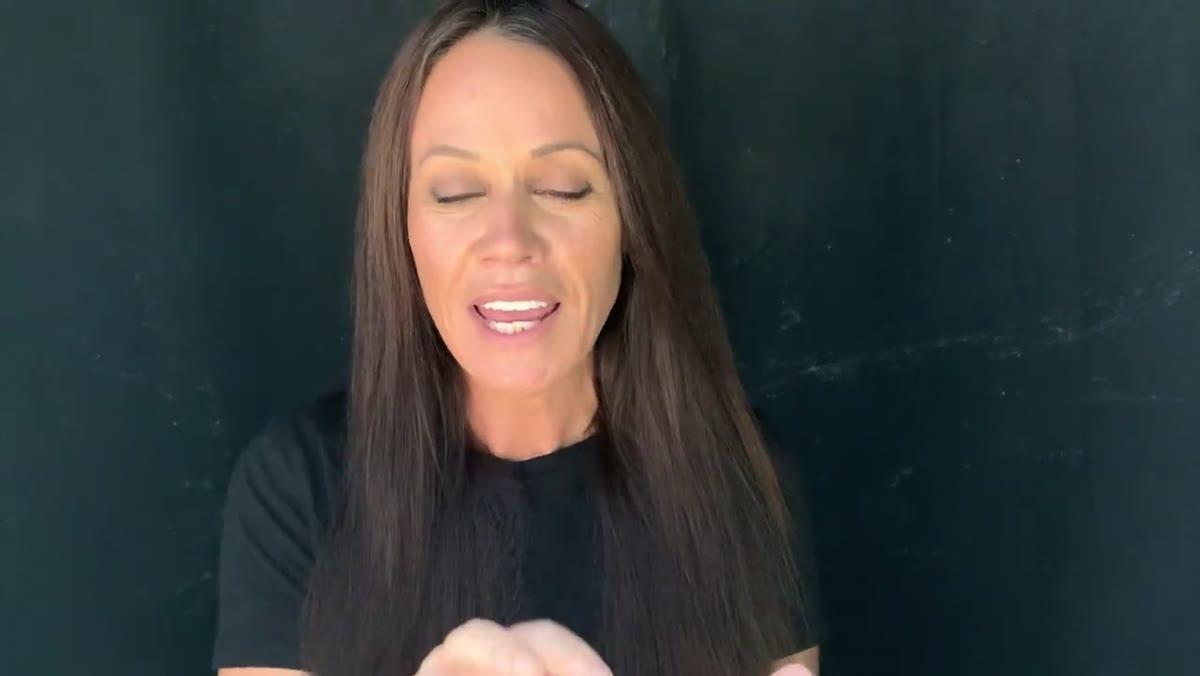 Reference to revisiting 12-week startup steps, especially weakest areas
Sue’s reference to revisiting her 12-week program multiple times is worth unpacking even if you have never taken her course. The principle applies universally: most photographers have one or two areas they consistently avoid. Pricing is the most common. Branding and social media strategy come close. Use any slow period before a full relaunch to strengthen the area you have been skating past. If your pricing structure is held together with hope and approximation, fix it now. If your social media presence went quiet during the shutdown, rebuild it before your calendar opens. Clients research you before they book. What they find in those first few minutes is often the decision.
Reference to revisiting 12-week startup steps, especially weakest areas
Sue’s reference to revisiting her 12-week program multiple times is worth unpacking even if you have never taken her course. The principle applies universally: most photographers have one or two areas they consistently avoid. Pricing is the most common. Branding and social media strategy come close. Use any slow period before a full relaunch to strengthen the area you have been skating past. If your pricing structure is held together with hope and approximation, fix it now. If your social media presence went quiet during the shutdown, rebuild it before your calendar opens. Clients research you before they book. What they find in those first few minutes is often the decision.
What I Would Add From My Own Experience
The piece of this tutorial that I keep coming back to is the warning about guilt selling. I grew up watching my parents run a photography business where they apologized for their prices constantly. Every client who pushed back got a discount. By the time I was running my own studio, that pattern was baked into me. It took a deliberate, uncomfortable decision to hold my rates on a relaunch and trust that the clients who valued the work would book. They did. The ones who needed a discount found someone else, and that was fine. If you are reopening after any kind of disruption, the moment you drop your price is the moment you signal that your original price was wrong. You are not doing clients a favor. You are undermining the value of your own work.
The single most important thing this tutorial gets right is the idea that reopening is not just logistics. It is a decision about what kind of business you are going to be on the other side. Sue Bryce does not let photographers use a shutdown as an excuse to shrink. She uses it as a forcing function to get clear, get organized, and go back in stronger.
Watch the full tutorial on YouTube and use the timestamps to jump directly to the section that matches your current business stage.
Comments (3)
Shared this with my photography group. Everyone loved it.
Bookmarked. Coming back to this one for sure.
Great article! I actually covered something related on my site — the retouching angle is really complementary to this.
Leave a Comment