There’s a version of “working on your business” that feels productive but changes nothing. You tweak your website header. You update your Instagram bio. You read another article about pricing. I did all of that for two years while my studio’s revenue stayed flat. What finally moved the needle wasn’t a small adjustment, it was a full deconstruction of how I was running things, piece by piece, and rebuilding each component with actual intention behind it. When I came across this CreativeLive tutorial series, I recognized that process immediately.
Watch the full tutorial on YouTube
In this CreativeLive tutorial, photographer and educator Jasmine Star opens the Restart series with a premise that cuts right to the problem most photographers avoid: we want different results, but we’re not willing to make the size of change those results actually require. That gap between wanting and doing is where most photography businesses stall. The introduction to this series is worth studying on its own, because it frames the entire makeover process in a way that reorders how you think about change before you touch a single part of your business.
Step 1: Accept That Wanting Results Isn’t the Same as Accepting Change
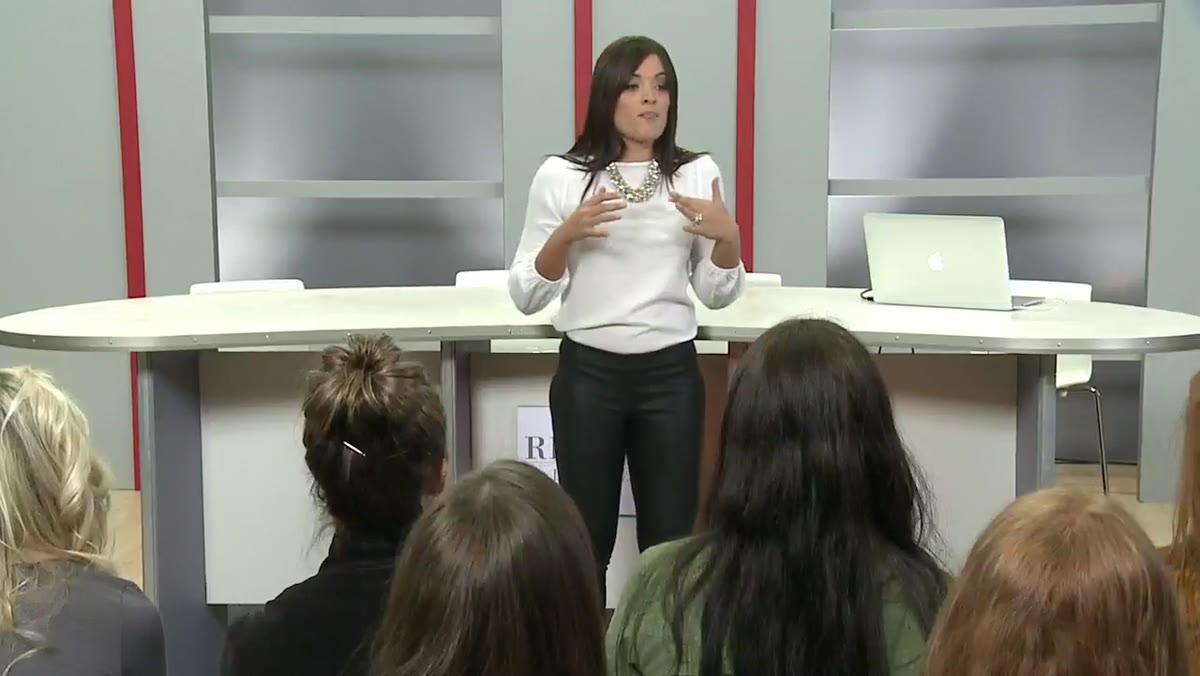 Instructor making the case that change drives results
Jasmine makes a point early that most of us resist change in proportion to how much we want results, which is exactly backwards from how growth actually works. She frames it directly: the bigger the change you’re willing to make, the bigger the result you’re likely to see. Before you touch your pricing, your client workflow, or your marketing, you need to settle this question internally. Are you willing to actually change things, or are you looking for permission to keep doing what you’re doing with a few tweaks?
Instructor making the case that change drives results
Jasmine makes a point early that most of us resist change in proportion to how much we want results, which is exactly backwards from how growth actually works. She frames it directly: the bigger the change you’re willing to make, the bigger the result you’re likely to see. Before you touch your pricing, your client workflow, or your marketing, you need to settle this question internally. Are you willing to actually change things, or are you looking for permission to keep doing what you’re doing with a few tweaks?
Write down three things you’ve been meaning to fix in your business for more than six months. If you’ve been circling the same problems, that’s your evidence that surface-level adjustments aren’t working. This step isn’t about strategy yet, it’s about getting honest with yourself about your actual tolerance for discomfort.
Step 2: Understand the Deconstruct-Then-Reconstruct Framework
 Instructor outlining the deconstruct and rebuild process
The Restart methodology isn’t about adding new tools on top of a broken foundation. Jasmine explains that the process involves taking apart the individual components of your business and then rebuilding each one with clear purpose. That means you don’t fix your client communication system while your pricing is still broken. You work through each layer deliberately, in order.
Instructor outlining the deconstruct and rebuild process
The Restart methodology isn’t about adding new tools on top of a broken foundation. Jasmine explains that the process involves taking apart the individual components of your business and then rebuilding each one with clear purpose. That means you don’t fix your client communication system while your pricing is still broken. You work through each layer deliberately, in order.
Map out your own business components on paper: pricing, client workflow, marketing, contracts, follow-up, and booking process. For each one, ask whether it was built intentionally or whether it just evolved because you were too busy to think about it. Most photographers discover that the majority of their systems are the second kind. Those are the ones that need to be deconstructed first.
Step 3: Define Your Intention Before Rebuilding Anything
 Instructor emphasizing knowing your “why” behind each decision
Jasmine puts real weight on the word “intention.” Her point is that you should be able to articulate exactly why you do each thing in your business, and if you can’t, that’s a signal the component was built on habit rather than strategy. This applies to your pricing structure, the way you deliver galleries, how you handle inquiries, and every client-facing touchpoint.
Instructor emphasizing knowing your “why” behind each decision
Jasmine puts real weight on the word “intention.” Her point is that you should be able to articulate exactly why you do each thing in your business, and if you can’t, that’s a signal the component was built on habit rather than strategy. This applies to your pricing structure, the way you deliver galleries, how you handle inquiries, and every client-facing touchpoint.
Take one component from your list above and ask yourself why it works the way it does. If your answer is “that’s just how I’ve always done it” or “I copied what another photographer was doing,” you’ve found your first rebuild project. Write down what you actually want that component to accomplish for your clients and your business, then use that as the target when you rebuild it.
Step 4: Use Community Accountability as a Business Tool
 Instructor highlighting the value of the Facebook community group
One thing I almost skimmed past in this introduction is Jasmine’s description of the community surrounding the Restart series. She talks about a Facebook group with thousands of photographers asking real questions, things like how to handle a difficult client or what gear decision makes sense for their current stage. She frames peer community not as a nice-to-have but as a reflection of where the industry is heading, toward photographers caring about each other’s growth alongside their own.
Instructor highlighting the value of the Facebook community group
One thing I almost skimmed past in this introduction is Jasmine’s description of the community surrounding the Restart series. She talks about a Facebook group with thousands of photographers asking real questions, things like how to handle a difficult client or what gear decision makes sense for their current stage. She frames peer community not as a nice-to-have but as a reflection of where the industry is heading, toward photographers caring about each other’s growth alongside their own.
If you don’t have a peer group of other photographers where you can ask hard business questions without judgment, build one. This doesn’t have to be a massive group. Four or five photographers at a similar stage who meet monthly and share real numbers, actual revenue, actual client problems, will do more for your business clarity than any amount of solo brainstorming.
Step 5: Let a Live, High-Stakes Project Be Your Proof of Concept
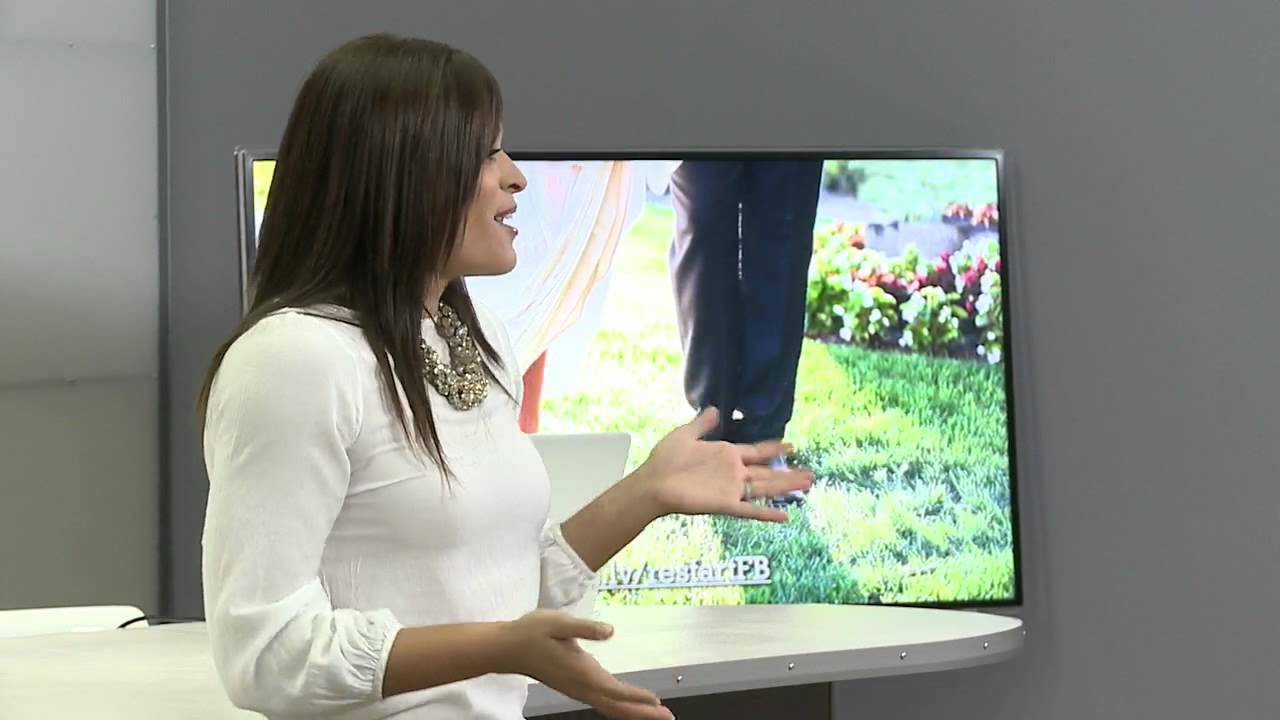
 Instructor describing the live wedding shoot broadcast online
Jasmine references her first CreativeLive appearance, where she shot a real wedding in front of a live internet audience. What’s instructive here isn’t the spectacle of it, it’s the principle. She was teaching and executing simultaneously, in public, with real stakes. That kind of commitment forces clarity. You can’t hedge when a real client and a live audience are watching.
Instructor describing the live wedding shoot broadcast online
Jasmine references her first CreativeLive appearance, where she shot a real wedding in front of a live internet audience. What’s instructive here isn’t the spectacle of it, it’s the principle. She was teaching and executing simultaneously, in public, with real stakes. That kind of commitment forces clarity. You can’t hedge when a real client and a live audience are watching.
For your own business, identify one project in the next 90 days where you raise the stakes on yourself. Maybe you open your booking process to the public and commit to a specific response time. Maybe you shoot a personal project and share the behind-the-scenes process live. The format matters less than the accountability. Public commitment changes how carefully you prepare.
What I’d Add From My Own Experience
The hardest part of this deconstruct-and-rebuild approach isn’t the rebuilding. It’s letting yourself fully take apart something that’s “sort of working.” I spent years leaving my pricing structure half-broken because clients were booking, just not at a rate that made my business sustainable. It took my husband sitting down with me and showing me the actual margin on my most popular package, which was embarrassingly thin, before I was willing to tear the whole thing apart and start over. The math made it impossible to argue with, and that’s the point. When you bring real numbers to your business decisions instead of feelings, the changes stop feeling risky and start feeling obvious.
Track your metrics on every component you’re considering rebuilding: conversion rate on inquiries, average booking value, time spent per client, profit per job. If you don’t know these numbers, finding them out is your first project, not your pricing PDF or your new logo.
The single most important idea in this tutorial is deceptively simple: change is what produces results, and most photographers underestimate how much change is actually required. If your business feels stuck, the answer probably isn’t a better Instagram strategy. It’s a full look at the foundation.
Watch the full tutorial on YouTube and pay attention to the framing in the first five minutes before you touch anything else in your business.
Comments (3)
I've been looking for exactly this kind of tutorial. Perfect timing.
My workflow just got 10x faster. Not even kidding.
This saved me so much time on my last edit. Wish I'd found this sooner.
Leave a Comment