
Every photographer I know has a version of this story. The client who shows up unannounced. The three-page revision list for a photo that was “perfect.” The request to Photoshop in the Eiffel Tower. You laugh because you have to, but the real question underneath all of it is: how did we end up here, and how do we make sure it doesn’t happen again?
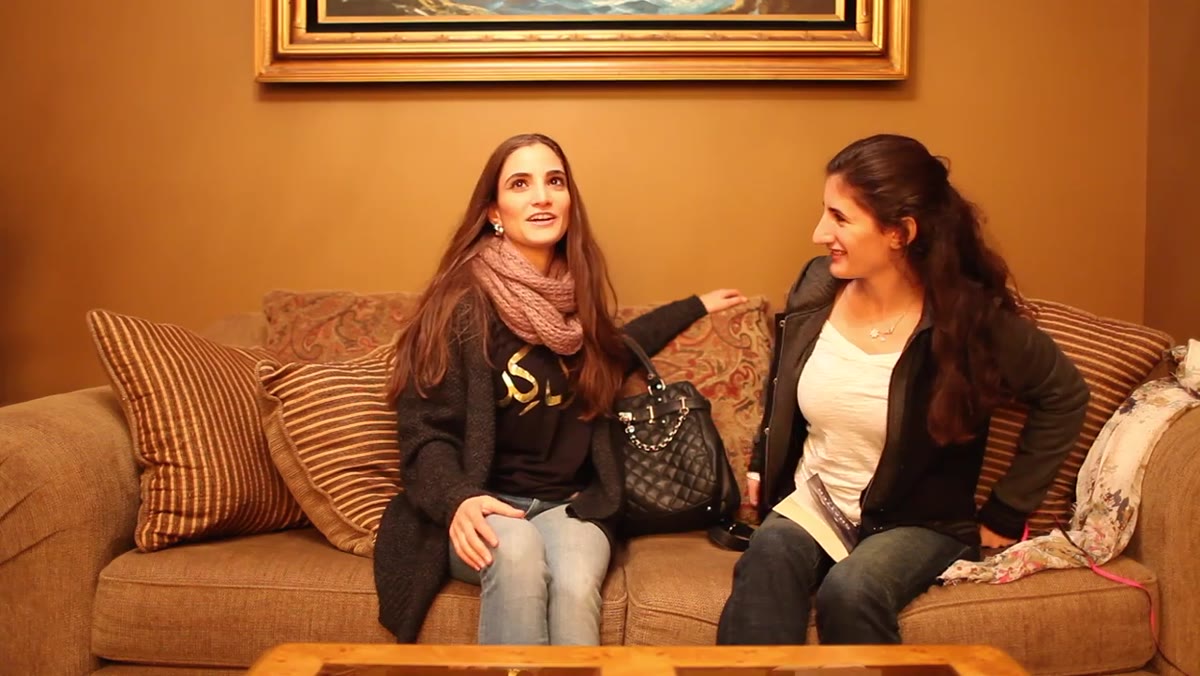
In this Jessica Kobeissi tutorial, she plays out a scenario so painfully familiar it’s almost hard to watch. Watch the full tutorial on YouTube before or after reading this, because what she’s doing isn’t just comedy. She’s cataloging every boundary violation, pricing objection, and scope-creep move that photographers encounter in real client relationships. I’ve been running my portrait studio for over a decade and I still saw at least four situations in this video that I’ve lived through personally.
The value here is in the diagnosis. Once you can name these patterns, you can build systems that prevent them. Here’s how I break down the video into actionable steps for your own business.
Step 1: Recognize the “Drop-By” as a Boundary Problem
 Client arriving unannounced carrying a laptop
The scenario opens with a client showing up without an appointment, laptop in hand, ready to “just go over a few things.” This is the first boundary violation and it sets the tone for everything that follows. A client who doesn’t respect your time from the first interaction will not suddenly become respectful when it’s time to talk revisions or pricing.
Client arriving unannounced carrying a laptop
The scenario opens with a client showing up without an appointment, laptop in hand, ready to “just go over a few things.” This is the first boundary violation and it sets the tone for everything that follows. A client who doesn’t respect your time from the first interaction will not suddenly become respectful when it’s time to talk revisions or pricing.
The fix is structural. Every client communication should funnel through a scheduled touchpoint. Put it in your welcome guide, your onboarding email, and your contract: all revision requests and post-session reviews happen through a booked consultation or a written submission form. When clients know the process upfront, the drop-by doesn’t happen, because there’s no gap in your system that invites it.
Step 2: Set Deliverable Expectations Before the Shoot, Not After
 Client requesting all 800 unedited images from the session
The request for every single raw file, including the blurry ones, is one of the most common scope conversations I see newer photographers fumble. The client in the video frames it as sentimental, almost reasonable. But handing over unedited files is a professional and legal issue, not just a preference.
Client requesting all 800 unedited images from the session
The request for every single raw file, including the blurry ones, is one of the most common scope conversations I see newer photographers fumble. The client in the video frames it as sentimental, almost reasonable. But handing over unedited files is a professional and legal issue, not just a preference.
Your contract needs to specify exactly what is delivered: the number of edited images, the file format, and an explicit statement that raw files are not part of the package. I put this in bold in my agreements. It protects your creative work and it prevents the “my last photographer gave me everything” comparison from gaining any traction.
Step 3: Address the “Other Photographer” Comparison Directly in Your Positioning
 Client listing perks from a previous photographer including free gifts
The laundry list of things a previous photographer supposedly included, free outfits, a keychain, breakfast, a designer bag, all for twenty-five dollars, is exaggerated for effect. But the underlying move is real. Clients use comparison to pressure photographers into discounting or over-delivering. The best counter to this is positioning work you do before you ever speak to a client.
Client listing perks from a previous photographer including free gifts
The laundry list of things a previous photographer supposedly included, free outfits, a keychain, breakfast, a designer bag, all for twenty-five dollars, is exaggerated for effect. But the underlying move is real. Clients use comparison to pressure photographers into discounting or over-delivering. The best counter to this is positioning work you do before you ever speak to a client.
Your website, your pricing guide, and your initial consultation should clearly articulate your value and what makes your service distinct. When a prospect brings up what someone else charges, you’re not defending your price, you’re reinforcing your positioning. I doubled my income one year simply by getting clear about what I was actually selling and making sure clients understood it before they booked. The comparison conversation almost disappeared.
Step 4: Build Revision Limits Into Your Contract and Stick to Them
 Client presenting a three-page list of requested edits
Three pages of revision notes on a photo the client called “amazing” and “perfect” is the clearest example in the video of what happens without a defined revision policy. The requests escalate from reasonable color adjustments to adding fake bangs and inserting landmarks that were never part of the shoot. Without a written limit, there is no logical stopping point.
Client presenting a three-page list of requested edits
Three pages of revision notes on a photo the client called “amazing” and “perfect” is the clearest example in the video of what happens without a defined revision policy. The requests escalate from reasonable color adjustments to adding fake bangs and inserting landmarks that were never part of the shoot. Without a written limit, there is no logical stopping point.
Define your revision rounds in your contract: typically one round of reasonable color and exposure adjustments is standard for portrait work. Anything beyond that is billed at an hourly rate. Spell out what “revision” means and what it does not mean. Composite work, adding elements that weren’t photographed, significant retouching beyond your standard, those are separate line items with separate pricing.
Step 5: Never Accept Exposure as Payment
 Client offering an Instagram tag instead of paying the session fee
The offer to pay with a social media tag, paired with the logic that the client is “popular online,” is something Jessica plays for laughs, but it’s a real conversation that happens to photographers at every level. The math never works. An Instagram tag does not pay your editing software subscription or your insurance.
Client offering an Instagram tag instead of paying the session fee
The offer to pay with a social media tag, paired with the logic that the client is “popular online,” is something Jessica plays for laughs, but it’s a real conversation that happens to photographers at every level. The math never works. An Instagram tag does not pay your editing software subscription or your insurance.
Your response to this should be ready before you need it. Something simple: “I appreciate the offer, but I don’t have a trade or barter program. My rates are listed here and payment is due according to the schedule in our agreement.” No apology, no negotiation. If a collaboration genuinely makes business sense, evaluate it on actual metrics, not on a client’s self-reported follower count.
Step 6: Use a Contract That Protects Both Parties, Every Single Time
 Client mentioning she needs a copy for her lawyer
The twist at the end of the video, where the client produces her own contract for the photographer to sign, is a reminder that not having your own solid agreement leaves you exposed. A client with legal representation and no contract on your end is a nightmare scenario.
Client mentioning she needs a copy for her lawyer
The twist at the end of the video, where the client produces her own contract for the photographer to sign, is a reminder that not having your own solid agreement leaves you exposed. A client with legal representation and no contract on your end is a nightmare scenario.
Your contract should cover deliverables, payment schedule, cancellation policy, copyright and licensing terms, revision limits, and a clause about model release. Have it reviewed by an attorney who works with creative professionals. I lost a significant client booking years ago because of a contract gap I hadn’t closed. That one experience paid for every legal consultation I’ve had since.
What I’d Add From My Own Experience
Jessica’s video focuses on the client side, and she nails it. But the thing I’d layer on top of every single one of these scenarios is this: most of these situations are only possible because the photographer didn’t set expectations early enough. The drop-by visit, the revision list, the payment negotiation, they all fill a vacuum that a strong client onboarding process would have closed.
I use a 47-item client experience checklist that starts the moment someone fills out my inquiry form. It sounds like a lot, but most of it is automated. A welcome email that outlines the process. A booking agreement sent within 24 hours. A prep guide delivered before the shoot. A gallery delivery email that explains exactly what happens next and what doesn’t. By the time a client might think to ask for all 800 raw files, they already know that’s not part of the process, because they read it in three different places before we ever met.
The single most important takeaway from this video is that unreasonable client behavior almost always has a gap in your business systems somewhere behind it. Your contract, your communication process, and your pricing clarity are not just administrative tasks. They are the tools that make your creative work sustainable.
Watch the full tutorial on YouTube and pay attention to which moments make you uncomfortable. Those are the ones your business needs to prepare for.
Comments
Leave a Comment