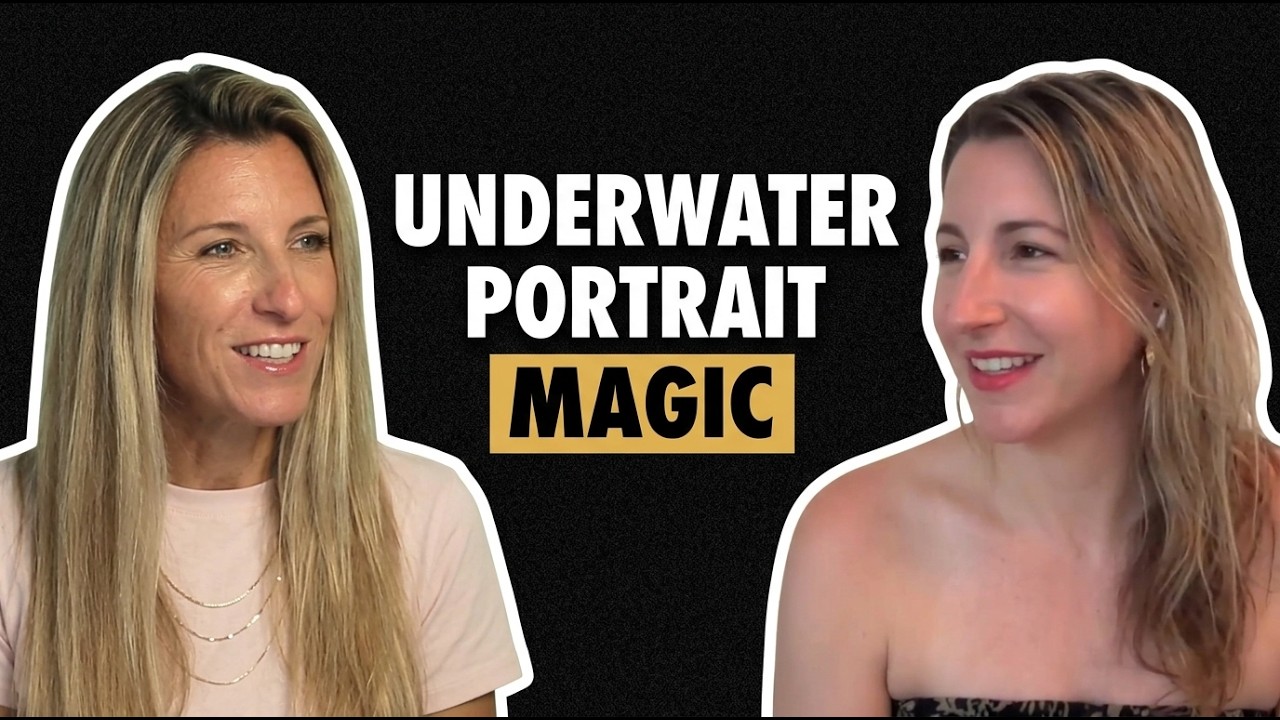
I grew up watching my parents undercharge for their photography work. Not because they didn’t know their worth, but because raising prices felt like a risk they couldn’t afford to take. They kept their rates flat for years, watched their margins shrink, and eventually had to close the studio. That experience is burned into me. So when I came across a The Portrait System tutorial featuring Caroline White, a photographer who has maintained a six-figure average for 14 consecutive years, I stopped everything I was doing and watched it twice.
Watch the full tutorial on YouTube
What Caroline shares isn’t theory. It’s a working pricing framework she built over 21 years of professional shooting, starting with headshots on the side while she was acting, surviving a burglary that wiped out her gear, and eventually pivoting into full-time personal branding photography for women entrepreneurs. She now offers packages ranging from $2,500 to $20,000 and shoots specialty underwater portraits with handmade, rhinestone-embellished prints. The way she thinks about pricing is the most practical thing I’ve heard from another photographer in years. Here’s how to apply it.
Step 1: Anchor Your Pricing to the Client’s Business Outcome, Not Your Time
 Caroline and Nikki discussing personal branding photography approach
Personal branding photographers often underprice because they think about what an hour of their shooting time is worth. Caroline flips this completely. Her clients are coaches and entrepreneurs who are using images to drive business revenue. When you reframe your photography as a tool that generates income for your client, the price conversation changes entirely. A $5,000 package is not expensive when it produces the images a client uses to book $50,000 in coaching contracts over the next year.
Caroline and Nikki discussing personal branding photography approach
Personal branding photographers often underprice because they think about what an hour of their shooting time is worth. Caroline flips this completely. Her clients are coaches and entrepreneurs who are using images to drive business revenue. When you reframe your photography as a tool that generates income for your client, the price conversation changes entirely. A $5,000 package is not expensive when it produces the images a client uses to book $50,000 in coaching contracts over the next year.
Before you set a single package price, write down the tangible outcome your ideal client gets from working with you. Not “beautiful photos” but the actual downstream result. Then price against that outcome, not against your shooting hours.
Step 2: Build a Package Ladder With Real Distance Between Tiers
 Caroline describing different package offerings and price points
Caroline’s packages are not clustered together. She separates them with enough price distance that each tier feels like a distinct commitment level, from a streamlined $2,500 session all the way up to a $20,000 two-and-a-half-day experience. This structure is intentional. When packages are too close in price, clients default to the cheapest one. When they’re genuinely spread apart, clients self-select based on how seriously they’re investing in their brand.
Caroline describing different package offerings and price points
Caroline’s packages are not clustered together. She separates them with enough price distance that each tier feels like a distinct commitment level, from a streamlined $2,500 session all the way up to a $20,000 two-and-a-half-day experience. This structure is intentional. When packages are too close in price, clients default to the cheapest one. When they’re genuinely spread apart, clients self-select based on how seriously they’re investing in their brand.
Start with three tiers. Your entry package should be accessible but not cheap enough to attract clients who aren’t ready to invest. Your top package should feel aspirational but not absurd. The middle tier exists to make the top tier feel more reasonable by comparison, which is basic anchoring psychology, and it works.
Step 3: Apply the “Asshole Insurance” Markup
 Caroline explaining her philosophy on difficult clients and pricing protection
This is the piece that stuck with me hardest. Caroline prices her packages high enough that she can afford to walk away from difficult clients, and high enough that the clients who do book are financially serious. She calls the buffer built into her pricing “asshole insurance.” The idea is simple: if your prices are too low, you attract clients who negotiate hard, disrespect your time, and treat the shoot like a commodity. If your prices are high enough, those clients self-select out before they ever reach your inbox.
Caroline explaining her philosophy on difficult clients and pricing protection
This is the piece that stuck with me hardest. Caroline prices her packages high enough that she can afford to walk away from difficult clients, and high enough that the clients who do book are financially serious. She calls the buffer built into her pricing “asshole insurance.” The idea is simple: if your prices are too low, you attract clients who negotiate hard, disrespect your time, and treat the shoot like a commodity. If your prices are high enough, those clients self-select out before they ever reach your inbox.
The practical application is this: look at your current packages and ask yourself honestly whether you’d feel relieved if a difficult inquiry decided not to book. If yes, your prices aren’t high enough to filter them out. Raise your floor until the answer changes. This isn’t about being exclusionary. It’s about building in the financial margin to overdeliver for clients who genuinely value the work.
Step 4: Structure High-End Packages Around an Experience, Not a Deliverable Count
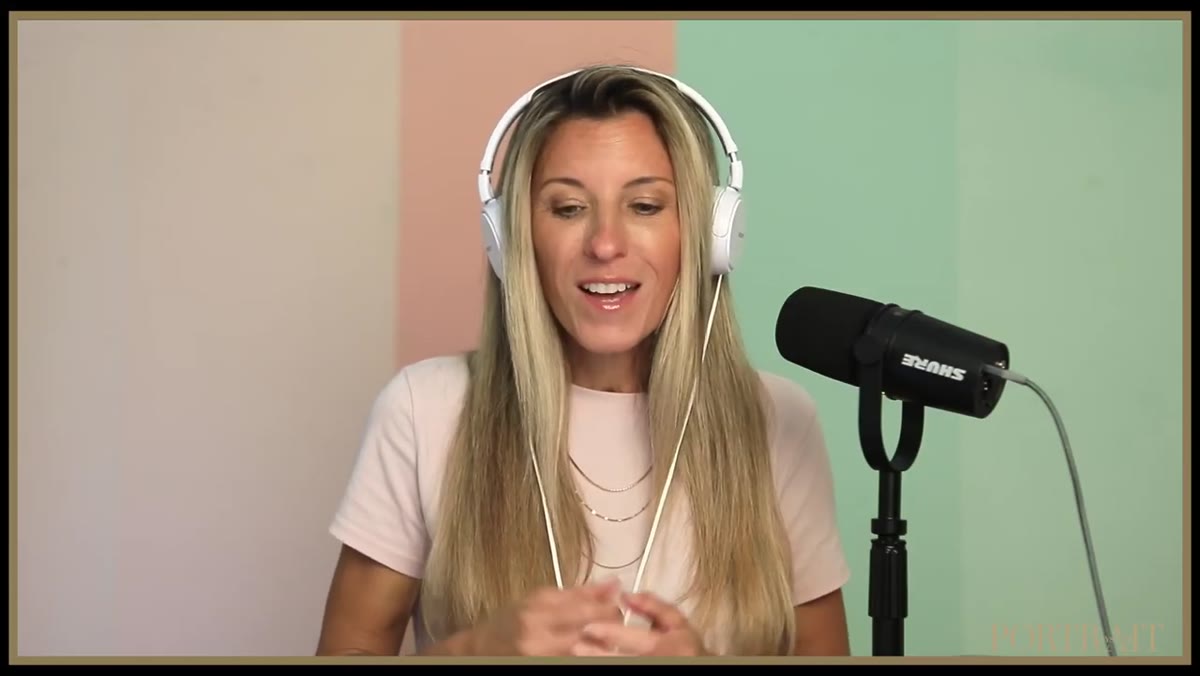 Caroline discussing the structure of her multi-day branding shoot packages
At the $20,000 level, Caroline isn’t selling a certain number of images. She’s selling a two-and-a-half-day experience. The distinction matters because when clients are buying deliverables, they compare. When they’re buying an experience, they commit. High-touch packages should include elements that make the client feel held throughout the entire process: pre-shoot consultations, wardrobe direction, location scouting, same-day image previews, and post-shoot support.
Caroline discussing the structure of her multi-day branding shoot packages
At the $20,000 level, Caroline isn’t selling a certain number of images. She’s selling a two-and-a-half-day experience. The distinction matters because when clients are buying deliverables, they compare. When they’re buying an experience, they commit. High-touch packages should include elements that make the client feel held throughout the entire process: pre-shoot consultations, wardrobe direction, location scouting, same-day image previews, and post-shoot support.
List everything you currently do for your best clients, including the things you do for free out of care for the relationship. Put all of it inside your premium package and charge for it. You’re probably already doing the work. You’re just not getting paid for it.
Step 5: Move Specialty Work to In-Person Sales
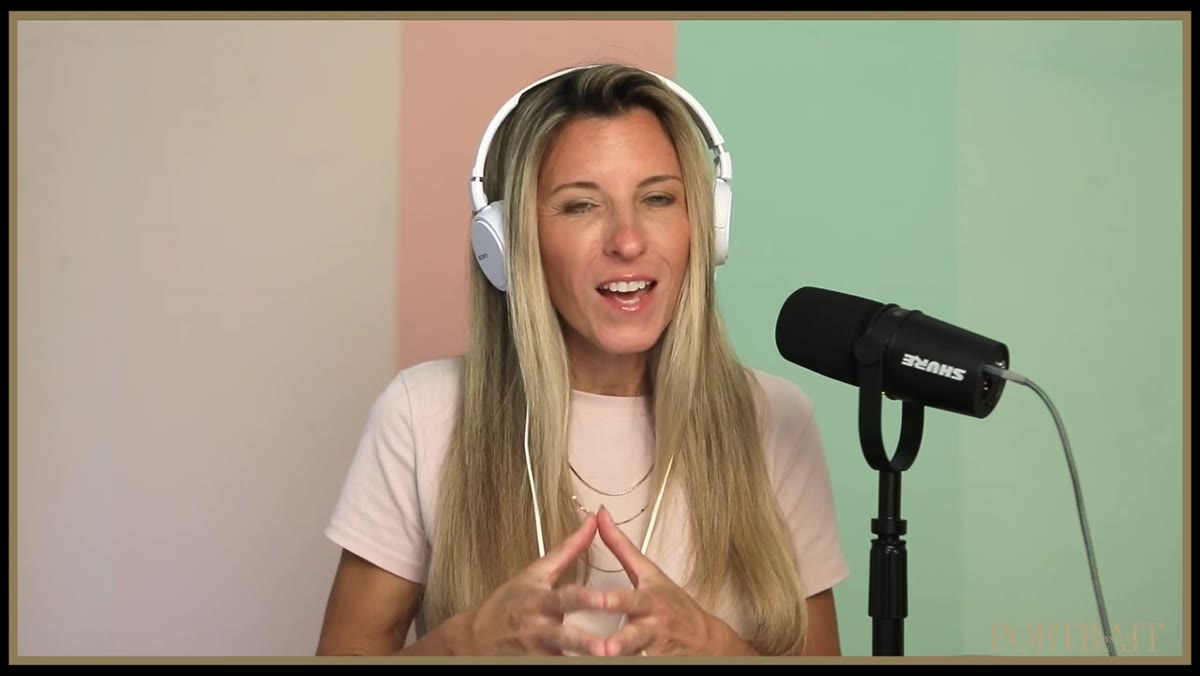 Caroline describing her underwater portrait photography and print sales process
Caroline recently pivoted her underwater portrait work away from package-based pricing and into in-person sales. The reason is straightforward: specialty work with high perceived value sells better when clients can see and touch the final product. She sells handmade prints with rhinestone embellishments, and those are not products that translate well to a price list on a website.
Caroline describing her underwater portrait photography and print sales process
Caroline recently pivoted her underwater portrait work away from package-based pricing and into in-person sales. The reason is straightforward: specialty work with high perceived value sells better when clients can see and touch the final product. She sells handmade prints with rhinestone embellishments, and those are not products that translate well to a price list on a website.
If you have a niche or specialty offering, consider pulling it out of your standard package structure entirely. Set up an in-person sales session where clients experience the final work before they buy. Average sales tend to climb significantly in this model because the emotional connection to the product is made in real time, not on a checkout page.
Step 6: Don’t Let AI Anxiety Drive You to Lower Your Prices
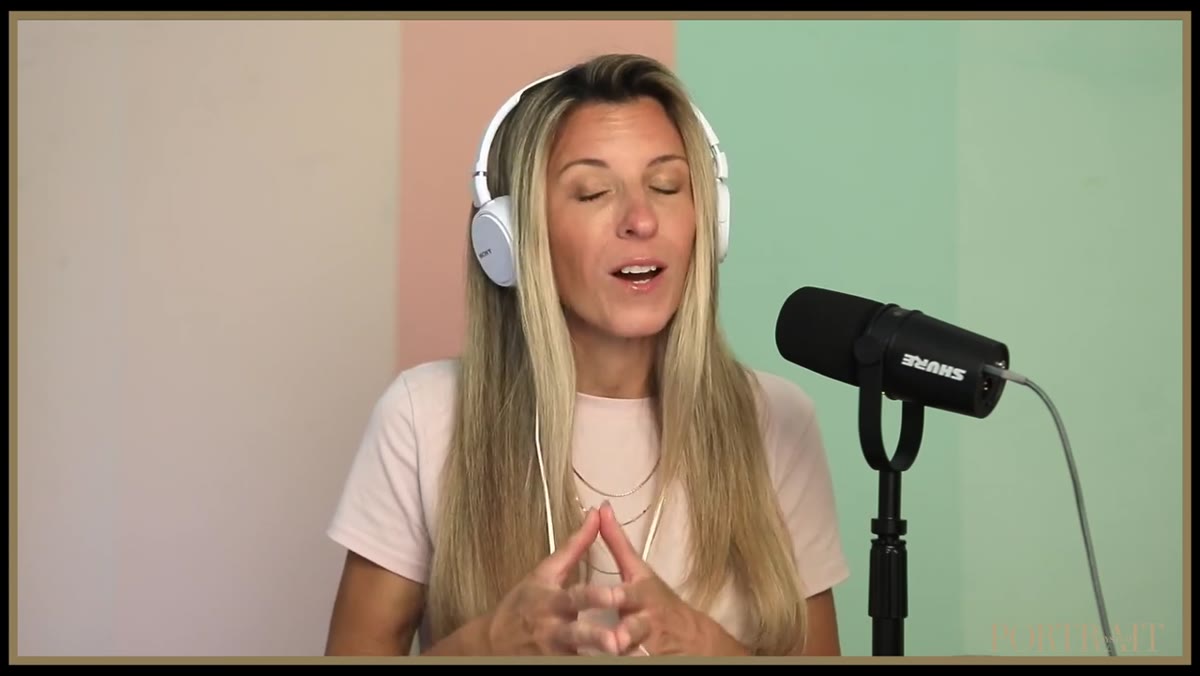 Nikki and Caroline discussing AI’s role in the photography industry
Caroline addressed the AI question directly and her take is worth repeating. Personal branding photography for real humans who need to be seen as real humans is not going away. Coaches and entrepreneurs need authentic images of themselves, not AI-generated avatars, because their audience needs to trust that they’re real. The threat AI poses to stock photography is serious. The threat it poses to high-touch personal branding work is minimal.
Nikki and Caroline discussing AI’s role in the photography industry
Caroline addressed the AI question directly and her take is worth repeating. Personal branding photography for real humans who need to be seen as real humans is not going away. Coaches and entrepreneurs need authentic images of themselves, not AI-generated avatars, because their audience needs to trust that they’re real. The threat AI poses to stock photography is serious. The threat it poses to high-touch personal branding work is minimal.
The photographers who will get hurt by AI are the ones competing on price. The photographers who will be fine are the ones competing on relationship, experience, and a personal style that can’t be replicated. That’s another argument for raising your prices, not lowering them.
What I’d Add From My Own Studio
I didn’t implement a true package ladder until I doubled my income in a single year by doing exactly what Caroline describes here, and honestly I was terrified to try it. My version of “asshole insurance” is what I think of as a friction filter: my inquiry form is detailed, my response time is intentional, and my initial consultation has a clear agenda. Clients who aren’t ready to invest seriously tend to drop off before they ever reach a booking call. That’s not a loss. That’s the system working.
The one thing I’d add to Caroline’s framework is tracking which package tier is actually producing your most profitable work. My accountant husband sat me down about two years ago and showed me that my mid-tier package was eating the most of my time for the least return. The data changed how I weighted my marketing. Know your numbers before you finalize your structure.
The single most important idea in this tutorial is that your prices are a filter, not just a revenue mechanism. They attract a certain kind of client and repel another. The question isn’t whether you can justify charging more. The question is whether your current prices are attracting the clients you actually want to work with.
Watch the full tutorial on YouTube and pay particular attention to how Caroline talks about the relationship between price and client quality. She’s built 14 years of proof that this works.
Comments (2)
This saved me so much time on my last edit. Wish I'd found this sooner.
Shared this with my photography group. Everyone loved it.
Leave a Comment