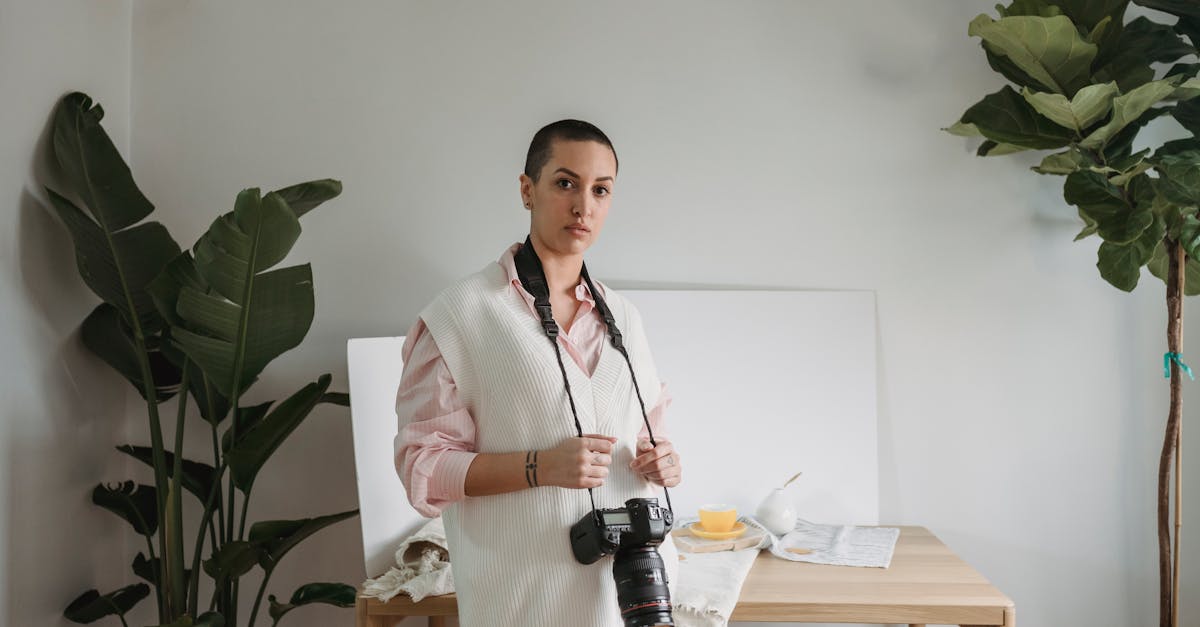
In 2022, I was charging $500 for portrait sessions and shooting 15 sessions a month to pay my bills. I was exhausted, burned out, and starting to resent the camera.
Today I charge $1,500 for the same type of session. I shoot 8-10 sessions a month. I make more money, do better work, and actually enjoy my business again.
Tripling my prices was the hardest and best decision I ever made.
The Math That Changed My Mind
At $500 per session, 15 sessions/month: $7,500 gross revenue. After expenses (gear, insurance, software, gas, second shooter, editing time), I netted about $4,200.
At $1,500 per session, 10 sessions/month: $15,000 gross revenue. Same expenses plus slightly higher marketing costs, netting about $10,800.
Double the income. Five fewer shoots. More time for editing, marketing, and living a life outside of photography.
The math was obvious. The courage to actually do it was not.
How I Made the Transition
Step 1: I Raised Prices for New Clients Only
Existing clients kept their rates for one more booking cycle. Every new inquiry got the new pricing. This gave me a safety net — I could test the higher pricing without losing all my current work.
Step 2: I Upgraded the Experience
Higher prices demand a higher experience. I added:
- A pre-session style consultation (30 minutes on Zoom)
- A curated planning guide sent 2 weeks before the session
- Same-day sneak peeks (3 edited images within 4 hours)
- A private online gallery with a 48-hour first-look exclusivity window
The actual photography didn’t change. The experience around it did. Total cost of these additions: maybe $20 in software and one extra hour of time.
Step 3: I Changed My Marketing Message
I stopped advertising “affordable photography” and started positioning as “boutique portraiture.” My Instagram shifted from behind-the-scenes casual content to polished portfolio pieces with client testimonials.
The clients who found me through bargain-hunting keywords disappeared. The clients who found me through quality-focused searches appeared. This was the entire point.
Step 4: I Said No to Bad-Fit Clients
This was the scariest part. When someone pushed back on pricing, I thanked them and referred them to a photographer at their budget. I stopped negotiating. I stopped offering discounts.
The first month, I lost three inquiries. The second month, referrals from happy clients started filling the gap.
What Actually Happened
Month 1: Booked 6 sessions at the new rate. Revenue slightly down from the old model. Panic level: moderate.
Month 2: Booked 8 sessions. Revenue exceeded the old model. Panic level: decreasing.
Month 3: Booked 10 sessions with a waitlist forming. Revenue 60% above the old model. Panic level: zero.
Month 6: Raised prices again to $1,800 for premium sessions. Demand stayed consistent.
Why Higher Prices Attract Better Clients
This seems counterintuitive, but premium clients are easier to work with. They value your expertise, show up prepared, trust your creative direction, and don’t haggle over every image in the gallery.
Budget clients often require more hand-holding, more revisions, more emotional energy, and more time — which means your effective hourly rate drops even further below your already-low pricing.
The Uncomfortable Truth
If you’re fully booked at your current prices, you’re too cheap. Full books at low prices means you’re leaving money on the table and working harder than necessary.
Raise your prices. Lose some clients. Attract better ones. Do better work because you’re not exhausted. Charge more because your work is better.
It’s a virtuous cycle, and it starts with the terrifying decision to charge what you’re worth.
How to Know You’re Ready
- You’re booked at least 70% of your available sessions
- Clients regularly tell you your work exceeded expectations
- You have testimonials and a portfolio that demonstrates consistent quality
- You feel resentful about the amount of work relative to your income
If that’s you, raise your prices tomorrow. Not next month. Tomorrow.
Comments (4)
Nicole, your pricing advice is something every photographer needs to hear. I see too many talented people undercharging and burning out.
Tried three different tutorials on this before finding yours. This one actually makes sense.
Solid advice. I'd add that working with natural light gives better results but otherwise spot on.
Great question, Mark Thompson. I'll cover that in an upcoming article!
Leave a Comment