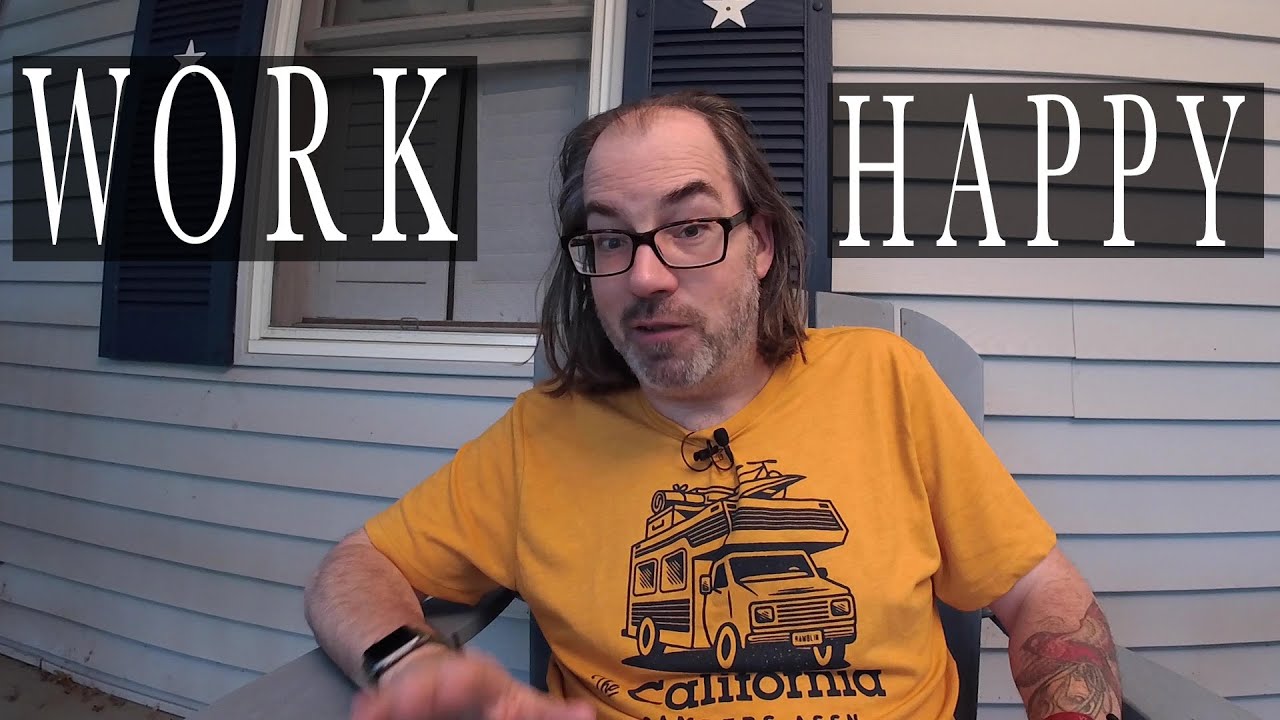
There’s a version of me from about four years ago who would have rolled her eyes at a video titled “Work Happy.” I was deep in spreadsheets, obsessing over booking rates and average sale values, convinced that hustle and systems were the only levers worth pulling. Mindset content felt soft. Unquantifiable. But I kept noticing something in my own data: my highest-revenue months weren’t just the ones where I’d run a promotion or updated my pricing. They were the months after shoots where I’d genuinely loved the work. Where I’d walked in energized and walked out proud. That pattern nagged at me until I finally started treating attitude the way I treat any other business variable.
Watch the full tutorial on YouTube
In this Daniel Norton Photographer tutorial, Daniel makes a deceptively simple argument from his studio in New York: working in a creative field is a privilege, and the photographers who internalize that tend to build better businesses. Not because positivity is magic, but because people can feel it, and people hire based on how you make them feel. This isn’t a motivational speech. It’s a client acquisition strategy with a longer feedback loop than most of us are patient enough to track. Here’s how I’ve broken it down into steps I actually use.
Step 1: Reframe the Job Before You Walk In the Door
 Daniel describing the mindset shift from “I have to” to “I get to”
The first shift Daniel talks about is purely linguistic, but it rewires how you approach every shoot. Instead of “I have to go photograph headshots today,” the move is “I get to photograph headshots today.” That sounds like a bumper sticker until you sit with it. I photograph portraits in Miami. Some days it’s a dream client with a great story and perfect light. Some days it’s a rush booking on a Tuesday afternoon for someone who almost canceled twice. The work is the same work. My energy walking in is the variable.
Daniel describing the mindset shift from “I have to” to “I get to”
The first shift Daniel talks about is purely linguistic, but it rewires how you approach every shoot. Instead of “I have to go photograph headshots today,” the move is “I get to photograph headshots today.” That sounds like a bumper sticker until you sit with it. I photograph portraits in Miami. Some days it’s a dream client with a great story and perfect light. Some days it’s a rush booking on a Tuesday afternoon for someone who almost canceled twice. The work is the same work. My energy walking in is the variable.
I started using a pre-shoot ritual: ten minutes before any session, I read through two or three thank-you emails from past clients. Not to get sentimental, but to remind myself why I built this thing. It recalibrates me before I ever pick up a camera. Daniel’s point is that this attitude isn’t just for your benefit. Clients feel it the moment you greet them. And how they feel in that first sixty seconds shapes the entire experience.
Step 2: Stop Treating Small Jobs Like Consolation Prizes
 Daniel talking about giving the same performance for ten attendees as for a hundred
Daniel uses a great example here: he gives the exact same presentation whether ten people show up or a hundred. Same energy, same preparation, same commitment. He’s not moping about the turnout or inflating his ego when the room is packed. He just does his thing. That consistency is what builds a reputation.
Daniel talking about giving the same performance for ten attendees as for a hundred
Daniel uses a great example here: he gives the exact same presentation whether ten people show up or a hundred. Same energy, same preparation, same commitment. He’s not moping about the turnout or inflating his ego when the room is packed. He just does his thing. That consistency is what builds a reputation.
In my studio, I used to mentally categorize sessions. A big family portrait package felt important. A single headshot felt like a slow week. That’s backwards. The photographer who gives everything to a one-hundred-dollar mini session is the one who gets referred for the five-hundred-dollar one. Small jobs are not filler. They are auditions. I now have a rule: my 47-item client experience checklist applies to every session, regardless of the invoice amount. The client with the smallest package often has the largest network.
Step 3: Audit Your Energy, Not Just Your Calendar
 Daniel speaking at end of day as light fades, reflecting on creative work
Daniel records this video at the end of the day as the light fades, and there’s something intentional about that timing. He’s asking you to reflect on what the day actually felt like, not just whether you hit your shot list. Most photographers I know track bookings, revenue, and editing hours. Almost none track energy levels across different job types.
Daniel speaking at end of day as light fades, reflecting on creative work
Daniel records this video at the end of the day as the light fades, and there’s something intentional about that timing. He’s asking you to reflect on what the day actually felt like, not just whether you hit your shot list. Most photographers I know track bookings, revenue, and editing hours. Almost none track energy levels across different job types.
I started keeping a simple log after sessions: one to ten, how energized did I feel during and after that work? After six months, the pattern was clear. Certain client types, certain shoot environments, certain project scopes reliably left me flat. Others left me wanting to go back to the studio and shoot more on my own time. That data became the foundation of a slow pivot in my marketing. I stopped pushing the services that drained me, even when they paid reasonably well, and doubled down on what lit me up. The bookings that followed were better in almost every dimension.
Step 4: Build a Reputation as Someone Who Lifts Others Up
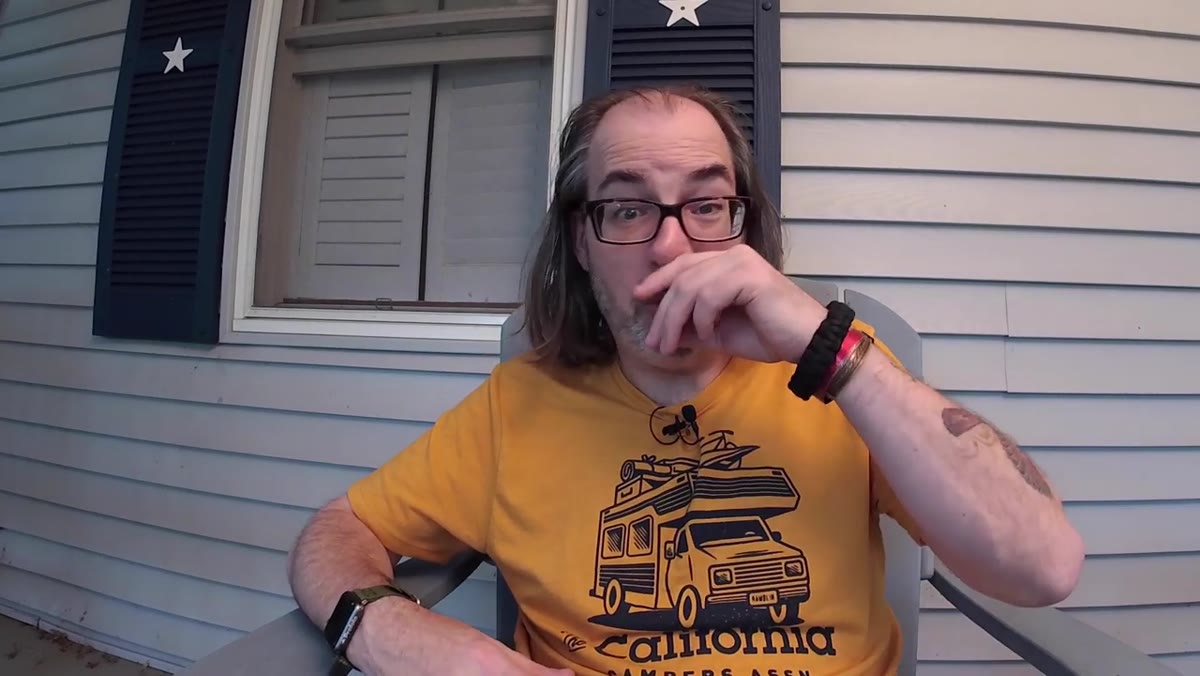 Daniel discussing referrals from other photographers who couldn’t take the job
This is the step that feels counterintuitive until you see it work. Daniel talks about being genuinely happy when other photographers succeed, not comparing yourself against them, and actively supporting the community. He ties it directly to business outcomes: multiple jobs have come to him because other photographers referred clients they couldn’t take. That network didn’t happen by accident. It happened because he showed up as someone safe to send work to.
Daniel discussing referrals from other photographers who couldn’t take the job
This is the step that feels counterintuitive until you see it work. Daniel talks about being genuinely happy when other photographers succeed, not comparing yourself against them, and actively supporting the community. He ties it directly to business outcomes: multiple jobs have come to him because other photographers referred clients they couldn’t take. That network didn’t happen by accident. It happened because he showed up as someone safe to send work to.
Practically speaking, this means no trash-talking competitors to clients or colleagues. It means congratulating photographers publicly when they land something impressive, even if you pitched for the same thing. It means responding to inquiry emails from photographers newer than you, even when you’re busy. The photography industry in any given city is smaller than it looks. Art directors, stylists, makeup artists, and talent all talk to each other. Your reputation for how you treat people travels faster than your portfolio does.
Step 5: Recognize That Positivity Is a Client Retention Tool
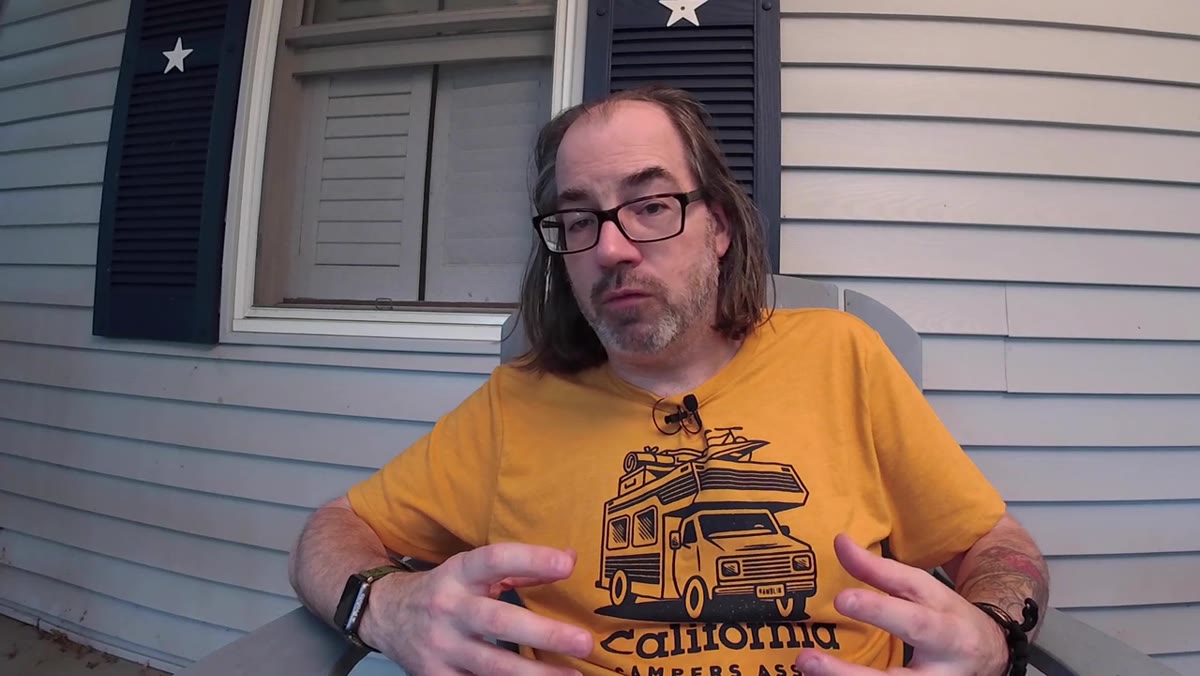 Daniel explaining how positivity attracts more positivity and business
Daniel’s clearest business point is this: positivity draws positivity, and negativity draws more negativity. That’s not mysticism. It’s how referrals actually work. Clients who had a great experience with you don’t just come back. They describe that experience to other people. And the way they describe it almost never leads with your camera settings or your editing style. It leads with how you made them feel.
Daniel explaining how positivity attracts more positivity and business
Daniel’s clearest business point is this: positivity draws positivity, and negativity draws more negativity. That’s not mysticism. It’s how referrals actually work. Clients who had a great experience with you don’t just come back. They describe that experience to other people. And the way they describe it almost never leads with your camera settings or your editing style. It leads with how you made them feel.
I track my referral sources carefully, and year over year the clients who refer the most tend to be mid-range spenders who had an exceptional experience, not my highest-dollar clients who expected perfection and got it. The difference is emotional. They felt genuinely cared for. Replicating that consistently is a system, and the system starts with how you decide to show up every single day.
What I’d Add From My Own Experience
Daniel keeps his message broad and motivational, which is exactly right for his format. What I’d layer on is the business case for getting specific. Track your attitude the way you track your revenue. If you know that Thursday afternoon bookings consistently find you running low on energy, restructure your schedule. If certain types of clients leave you feeling depleted, raise your prices for that segment or stop offering it entirely. Working happy is not about pretending everything is great. It’s about designing a practice where great is genuinely achievable most of the time.
The one metric I wish I’d started tracking sooner is re-booking rate by session type. When I finally pulled that number, two of my most frequently booked services had the lowest re-booking rates in the studio. The work wasn’t energizing for me, and apparently it wasn’t landing the way I thought it was for clients either. Fixing that was more valuable than any marketing campaign I’ve run.
The single most important takeaway here is that your attitude on set is not a personal luxury. It is a professional output that clients evaluate, colleagues remember, and your own business compounds over time. Start treating it that way.
Watch the full tutorial on YouTube and hear Daniel make the case in his own words. It’s short, it’s direct, and it might be the most useful twelve minutes you spend on your business this week.
Comments (3)
Quality content like this is rare. Keep it up.
Tried this technique this morning. Game changer for real.
Great article! I actually covered something related on my site — the compositing angle is really complementary to this.
Leave a Comment