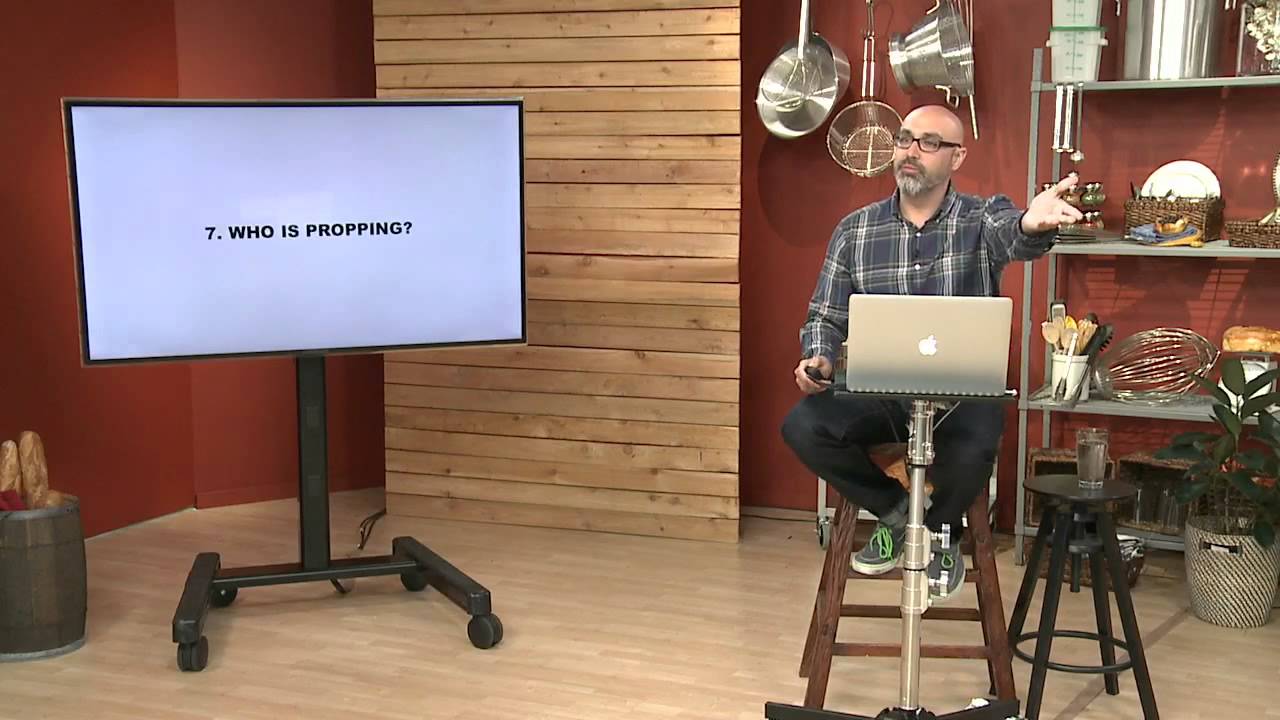
I grew up watching my parents run a photography business on talent and good intentions. What they never did was raise their prices. Not once in eleven years. Clients loved them. The business nearly swallowed them whole. So when I came across Andrew Scrivani’s CreativeLive session on the business side of food photography, I wasn’t expecting a tutorial about shooting. I was expecting someone to finally talk about the part nobody wants to admit is hard: turning your skill into sustainable income.
In this CreativeLive tutorial, Watch the full tutorial on YouTube, Scrivani does something rare. He skips the inspirational fluff and goes straight to the mechanics of running a photography business, from pricing logic to understanding the full spectrum of clients you might serve. The content originated from a workshop where participants kept redirecting the conversation toward business questions, which tells you everything. Photographers are hungry for this. They just don’t always know where to find it.
What follows is my walkthrough of the core ideas from Scrivani’s talk, reorganized as actionable steps you can apply whether you shoot food, portraits, or anything in between. I’ve added notes from my own experience running a portrait studio in Miami, because some of these lessons hit differently when you’ve already paid the tuition in mistakes.
Step 1: Acknowledge That the Business Side Is as Big as the Creative Side
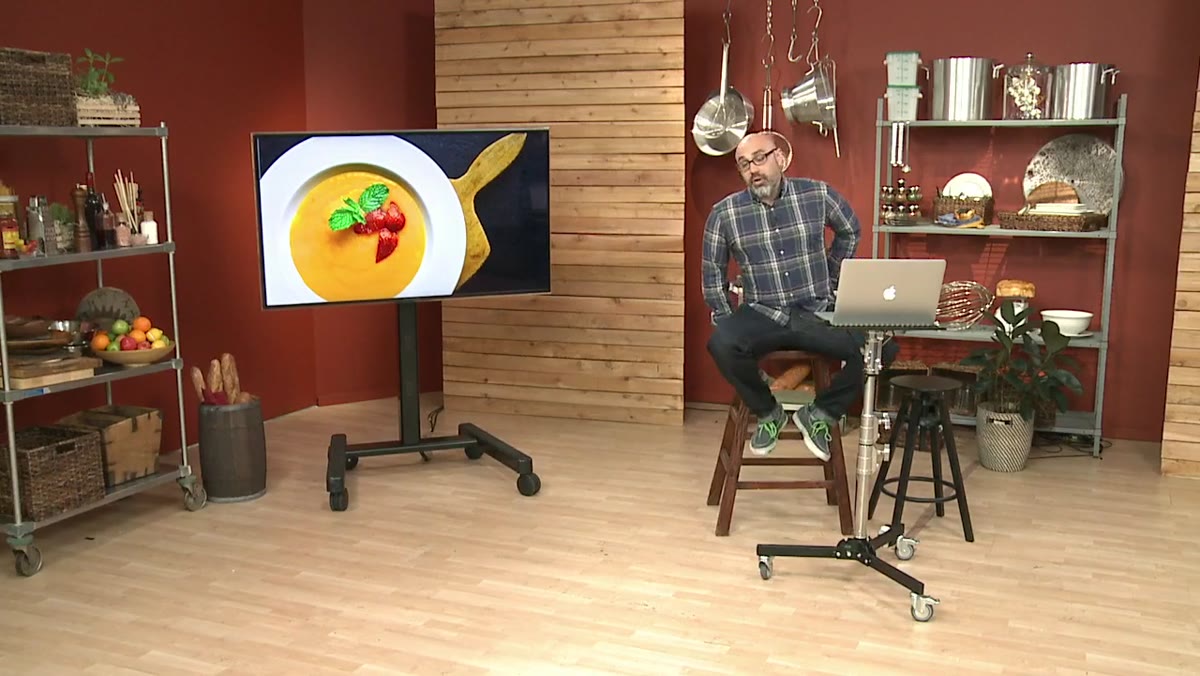 Scrivani speaking at workshop, audience listening closely
Scrivani opens by recounting how a workshop in San Francisco essentially went off-script because participants had so many business questions. His notes for that section kept expanding until it became a two-part conversation. That alone is a signal worth paying attention to.
Scrivani speaking at workshop, audience listening closely
Scrivani opens by recounting how a workshop in San Francisco essentially went off-script because participants had so many business questions. His notes for that section kept expanding until it became a two-part conversation. That alone is a signal worth paying attention to.
Before you can fix your pricing or your contracts, you have to accept that the business layer of photography is not a side concern. It is the whole game. Most of us were trained to optimize our craft. Very few of us were trained to run a company. Treating those two things as equally important is the first mindset shift this tutorial demands.
Step 2: Map Your Client Spectrum Before You Set Any Prices
 Scrivani listing client types from local restaurants to international brands
Scrivani points out that food photography clients range from a neighborhood restaurant owner to a global brand with a multi-market advertising campaign. The mistake most photographers make is pricing as if all clients are the same, or worse, pricing based on what they personally think sounds reasonable.
Scrivani listing client types from local restaurants to international brands
Scrivani points out that food photography clients range from a neighborhood restaurant owner to a global brand with a multi-market advertising campaign. The mistake most photographers make is pricing as if all clients are the same, or worse, pricing based on what they personally think sounds reasonable.
Start by writing out every type of client you currently work with or want to work with. For each one, note the scope of usage they typically need, the turnaround they expect, and the volume of work they represent. A local taqueria posting to Instagram has almost nothing in common with a packaged food brand licensing images for national print. Your pricing structure has to reflect those differences, not flatten them.
Step 3: Understand That Your Time Is the Actual Product You’re Selling
 Scrivani emphasizing time as core value in photography work
This is the point in the tutorial where Scrivani gets most direct. Every minute you spend on a shoot, in editing, in client communication, in prep, is time you are not spending elsewhere. That time has a real cost, whether or not you’ve ever calculated it.
Scrivani emphasizing time as core value in photography work
This is the point in the tutorial where Scrivani gets most direct. Every minute you spend on a shoot, in editing, in client communication, in prep, is time you are not spending elsewhere. That time has a real cost, whether or not you’ve ever calculated it.
Work backward from what you need to earn annually. Divide by the realistic number of billable hours you have. That number, before profit margin, is your floor. Most photographers who feel underpaid have never done this math. They’ve priced based on what a client seemed willing to pay, which is a completely different number and almost always lower than what the work actually costs.
Step 4: Know When to Say No – and Practice Saying It
 Scrivani saying “brave enough to say no sometimes”
Scrivani repeats one phrase enough times that it’s clearly intentional: you have to be brave enough to say no. Not as a negotiating tactic, but as a genuine business decision rooted in knowing your worth.
Scrivani saying “brave enough to say no sometimes”
Scrivani repeats one phrase enough times that it’s clearly intentional: you have to be brave enough to say no. Not as a negotiating tactic, but as a genuine business decision rooted in knowing your worth.
Saying yes to underpriced work has a compounding cost. It fills your calendar with low-margin jobs, signals to that client what your rate is permanently, and leaves no room for better opportunities. The practical exercise here is simple. Before you send any quote, ask yourself what you would need to be paid to feel good about that project from start to finish. If the client’s budget doesn’t reach that number, the answer is no. That’s not arrogance. That’s math.
Step 5: Recognize That Money Isn’t Always the Right Form of Compensation
 Scrivani discussing non-monetary compensation and trade-offs
Scrivani raises something that gets dismissed too quickly in business conversations: money is not the only valid form of payment. Portfolio access, exposure to a new market, a long-term contract at a fair rate, or a creative collaboration that builds your reel – these can all carry real value depending on your stage and goals.
Scrivani discussing non-monetary compensation and trade-offs
Scrivani raises something that gets dismissed too quickly in business conversations: money is not the only valid form of payment. Portfolio access, exposure to a new market, a long-term contract at a fair rate, or a creative collaboration that builds your reel – these can all carry real value depending on your stage and goals.
The key distinction he draws is intentionality. Accepting non-monetary compensation as a strategic decision is completely different from accepting it because you didn’t feel confident asking for money. Before you trade your rate for anything else, define the specific, tangible outcome you expect. If you can’t articulate it, the trade probably isn’t worth making.
Step 6: Treat Pricing Like Strategy, Not a Price Tag
 Scrivani saying “this is chess, not checkers”
Scrivani uses a chess analogy that stuck with me: you’re not just making a move, you’re thinking three moves ahead. Your pricing decisions today affect the clients you attract next year, the referrals they send, and the market positioning you build over time.
Scrivani saying “this is chess, not checkers”
Scrivani uses a chess analogy that stuck with me: you’re not just making a move, you’re thinking three moves ahead. Your pricing decisions today affect the clients you attract next year, the referrals they send, and the market positioning you build over time.
This means pricing is not a one-time decision. Revisit it quarterly. Look at which projects were actually profitable when you account for all your hours, not just the shoot day. My accountant husband helped me see that the jobs I thought were my bread and butter were actually my worst performers once we tracked full time investment. The work I’d been treating as a bonus was subsidizing everything else.
What I’d Add From My Own Experience
One thing the tutorial touches on but doesn’t fully develop is the role of documentation in protecting the value you’re building. I once lost a five-thousand-dollar client because my contract didn’t specify usage rights clearly enough. The dispute wasn’t malicious. It was a gap I hadn’t closed. Now every client agreement I send specifies exactly what the images can be used for, in what media, for how long, and in what territories. That level of specificity isn’t bureaucratic. It’s what makes your pricing defensible when a client questions it.
Build your business systems with the same obsession you bring to your craft. Your client process, your pricing logic, your contract language – these are not administrative afterthoughts. They are the infrastructure that keeps the creative work sustainable.
The single most important takeaway from Scrivani’s session is this: knowing your worth is not a feeling, it is a calculation. Start with your time, build up from there, and have the discipline to hold that number even when it feels uncomfortable.
Watch the full tutorial on YouTube – the Q&A portions especially are worth your time if you’re at a stage where your questions are more specific than your answers.
Comments
Leave a Comment