
I grew up watching my parents undercharge for their photography work. They were talented, dedicated, and completely misunderstood by their clients. People haggled. People showed up expecting miracles in twenty minutes. People slapped Instagram filters on carefully edited portraits and thought nothing of it. My parents never figured out how to close that gap between what they knew about their craft and what their clients understood about it. It nearly sank the business.
That’s why I stopped cold when I came across this Tony & Chelsea Northrup tutorial on what photographers wish their clients actually knew. Watch the full tutorial on YouTube. It’s framed as a video for clients, but honestly, it works harder as a coaching tool for photographers. Because once you understand the specific misconceptions your clients are carrying around, you can start dismantling them proactively, in your pricing page copy, in your consultation calls, in how you describe your process. That’s where the real money is.
Here’s how to take what Chelsea and Tony lay out and turn it into something you can actually use in your business.
Step 1: Accept That the “Nice Camera” Problem Is a Pricing Problem
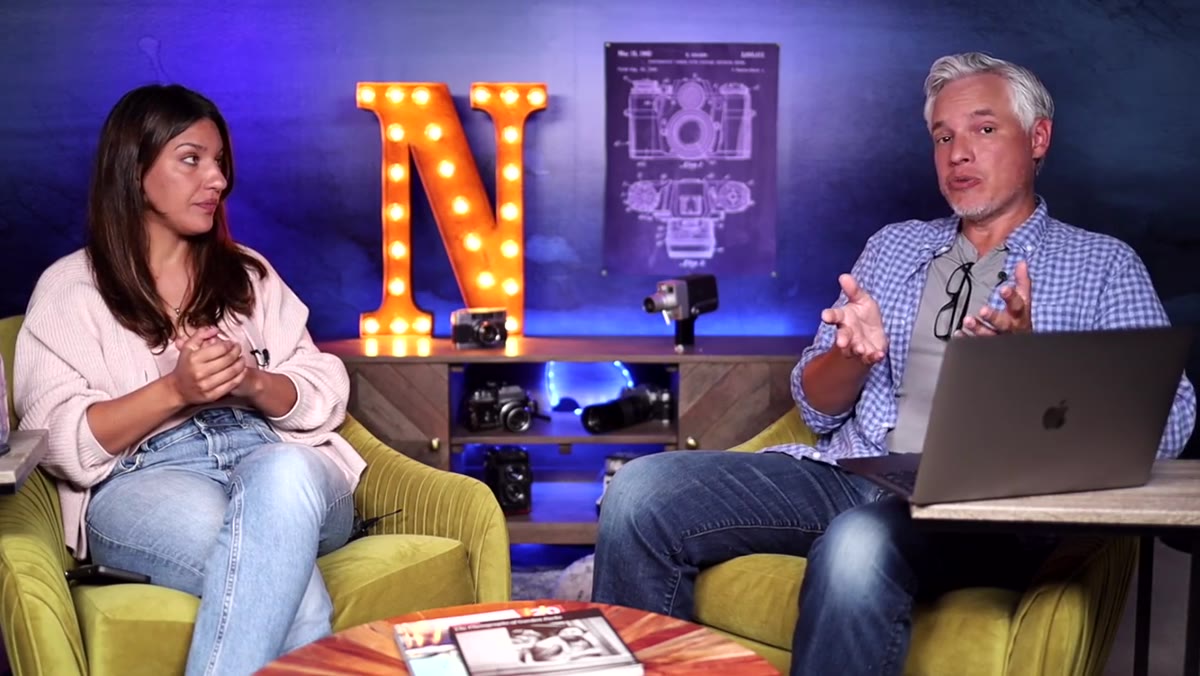 Chelsea explaining it’s the photographer not the camera
Chelsea names this one first and for good reason. When a client thinks your gear is doing the work, they’re also thinking your gear could be replaced by their nephew’s entry-level DSLR. That belief lives at the root of every low-ball inquiry you’ve ever received.
Chelsea explaining it’s the photographer not the camera
Chelsea names this one first and for good reason. When a client thinks your gear is doing the work, they’re also thinking your gear could be replaced by their nephew’s entry-level DSLR. That belief lives at the root of every low-ball inquiry you’ve ever received.
The fix isn’t to explain aperture settings to people. It’s to reframe your value before they ever ask about price. On your website and in your intake emails, describe the decisions behind your images: the light you waited for, the angle you chose, the direction you gave your subject. Show the thinking, not just the result. When clients see creative judgment on display, they stop pricing you like a piece of equipment and start pricing you like a specialist.
Step 2: Show the Iceberg, Not Just the Tip
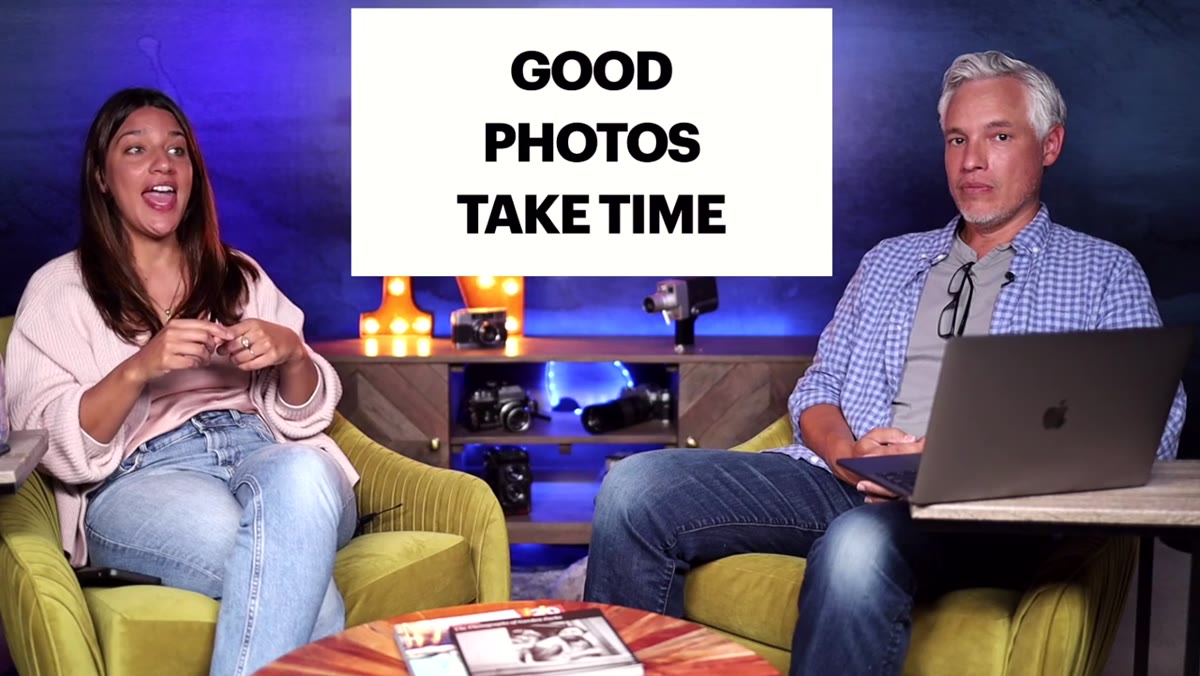 Chelsea describing scouting locations dozens of times
Chelsea walks through exactly what goes into a single portfolio image: repeated location visits, moon and sun position research, weather monitoring, failed attempts before the keeper. Her point is that a portfolio photo represents the best of hundreds of hours of effort, not a lucky ten-minute snapshot.
Chelsea describing scouting locations dozens of times
Chelsea walks through exactly what goes into a single portfolio image: repeated location visits, moon and sun position research, weather monitoring, failed attempts before the keeper. Her point is that a portfolio photo represents the best of hundreds of hours of effort, not a lucky ten-minute snapshot.
Your clients are only seeing the finished image. They have no idea about the scout trips, the weather app refreshes at 6am, or the three sessions you ran before the light finally cooperated. Start telling that story. A behind-the-scenes section on your website, a short caption that mentions “scouted this location four times before the fog cooperated,” a post-shoot email that describes one challenge you solved during their session. That context shifts the client’s frame from “she showed up and took some pictures” to “she worked for weeks to make this happen.” That’s the frame that justifies your rates.
Step 3: Stop Letting Clients Benchmark You Against Free
 Tony describing friends with cameras as alternatives
Tony raises the moment we’ve all faced: the client who says a friend with a camera can probably do it for free. His response is sharp and worth borrowing. He compares it to skipping a concert because you own a guitar. You can strum something at home, sure. But that’s karaoke, not a performance.
Tony describing friends with cameras as alternatives
Tony raises the moment we’ve all faced: the client who says a friend with a camera can probably do it for free. His response is sharp and worth borrowing. He compares it to skipping a concert because you own a guitar. You can strum something at home, sure. But that’s karaoke, not a performance.
Use that analogy, or build your own version of it, and put it somewhere in your onboarding materials. Your FAQ page is a good place. Clients who are already comparing you to free alternatives are usually not your best clients, but some of them just need the right framing to recalibrate. A single well-placed line that acknowledges the comparison and redirects it can do that work for you without you having to say it awkwardly on a call.
Step 4: Educate Through Your Portfolio Presentation
 Chelsea noting portfolio shows best-of not typical results
Chelsea makes a point that most photographers miss: your portfolio sets expectations, and those expectations may not be accurate. When every image in your gallery is a peak-condition, best-day-of-the-year shot, clients naturally assume that’s what every session produces. Then they feel let down when reality is slightly more ordinary, even if the work is genuinely good.
Chelsea noting portfolio shows best-of not typical results
Chelsea makes a point that most photographers miss: your portfolio sets expectations, and those expectations may not be accurate. When every image in your gallery is a peak-condition, best-day-of-the-year shot, clients naturally assume that’s what every session produces. Then they feel let down when reality is slightly more ordinary, even if the work is genuinely good.
The solution isn’t to water down your portfolio. It’s to contextualize it. Add a short note on your portfolio page that explains these images represent ideal conditions and intentional preparation. Consider including a “typical session” gallery alongside your highlights. Some photographers I know break their portfolio into categories: planned editorial work, real-time event coverage, quick turnaround shoots. That separation manages expectations without lowering them.
Step 5: Build the Education Into Your Pricing Page
 Chelsea describing clients haggling on already low prices
When Chelsea mentions clients haggling on prices that are already too low, she’s describing a communication failure, not just a rudeness problem. Clients haggle when they don’t understand what they’re paying for. Your pricing page has one job: make the value obvious before the number lands.
Chelsea describing clients haggling on already low prices
When Chelsea mentions clients haggling on prices that are already too low, she’s describing a communication failure, not just a rudeness problem. Clients haggle when they don’t understand what they’re paying for. Your pricing page has one job: make the value obvious before the number lands.
List what’s actually included. Not just “two-hour session and 30 edited images.” Break down the consultation call, the location research, the editing time, the licensing rights, the turnaround window. If your pricing reflects skill and time investment, show the skill and time investment line by line. When a client sees that a session includes pre-shoot planning, professional lighting, same-week delivery, and print-ready files, the number stops feeling arbitrary. It feels earned.
What I’d Add From My Own Experience
Tony and Chelsea focus on educating clients, which is the right instinct. But after years of running a portrait studio, I’d push one step further: don’t just educate clients, qualify them.
Every inquiry I receive now goes through a short intake questionnaire before I send pricing. One of the questions asks what they’re hoping to do with the photos. Another asks whether they’ve worked with a professional photographer before. Those two questions tell me almost everything I need to know about whether this person understands my value or whether I’m starting from scratch. The ones who’ve never hired a pro before aren’t bad clients, but they need more education before they see my rates. I spend fifteen extra minutes on their consultation calls walking through exactly the points Chelsea makes in this video. That investment closes far more of those bookings than just sending a price sheet and hoping for the best.
I track my conversion rate by client type. The ones who go through the full intake and pre-consultation education convert at nearly double the rate of cold inquiries. That’s not magic. That’s just closing the knowledge gap before price becomes the only variable.
The single biggest takeaway from this video is one I wish I’d understood earlier: every time a client misunderstands your value, it’s a marketing problem you can solve. Skill gets you in the room. Communication gets you paid fairly for it.
Watch the full tutorial on YouTube and pay attention to how Chelsea frames each misconception. Then open your website and ask whether your copy does the same work. If it doesn’t, that’s where to start.
Comments (4)
Shared this with my photography group. Everyone loved it.
Couldn't agree more. I've seen this make a huge difference in compositing work specifically.
Finally someone explains this in a way that actually makes sense.
Printing this out and pinning it next to my monitor. That good.
Leave a Comment