
Every photographer I know has a story they tell with a laugh but actually still feel a little sick about. Mine involves a $5,000 contract that nearly fell apart because I hadn’t been specific enough about payment terms. I got the money eventually, but it cost me three weeks of stress and a stiff legal letter from my attorney. The lesson stuck. So when I came across Watch the full tutorial on YouTube from Tony and Chelsea Northrup, framed as a comedy “therapy session” for photographers, I laughed out loud, but I also grabbed a notepad.
The format is funny. The problems underneath it are not. Tony and Chelsea walk through a series of increasingly relatable client disasters, from unpaid invoices to stolen gear to friends who treat your camera like a party favor they’re entitled to borrow. What makes this tutorial worth your time isn’t the comedy, it’s the practical advice woven into every exchange. Each scenario is something you will face if you haven’t already, and knowing how to handle it before it happens is the difference between a thriving business and a burned-out one.
Here’s a breakdown of each situation they cover, with the actual action steps you can take right now.
Step 1: Handle Unpaid Balances Like a Business, Not a Favor
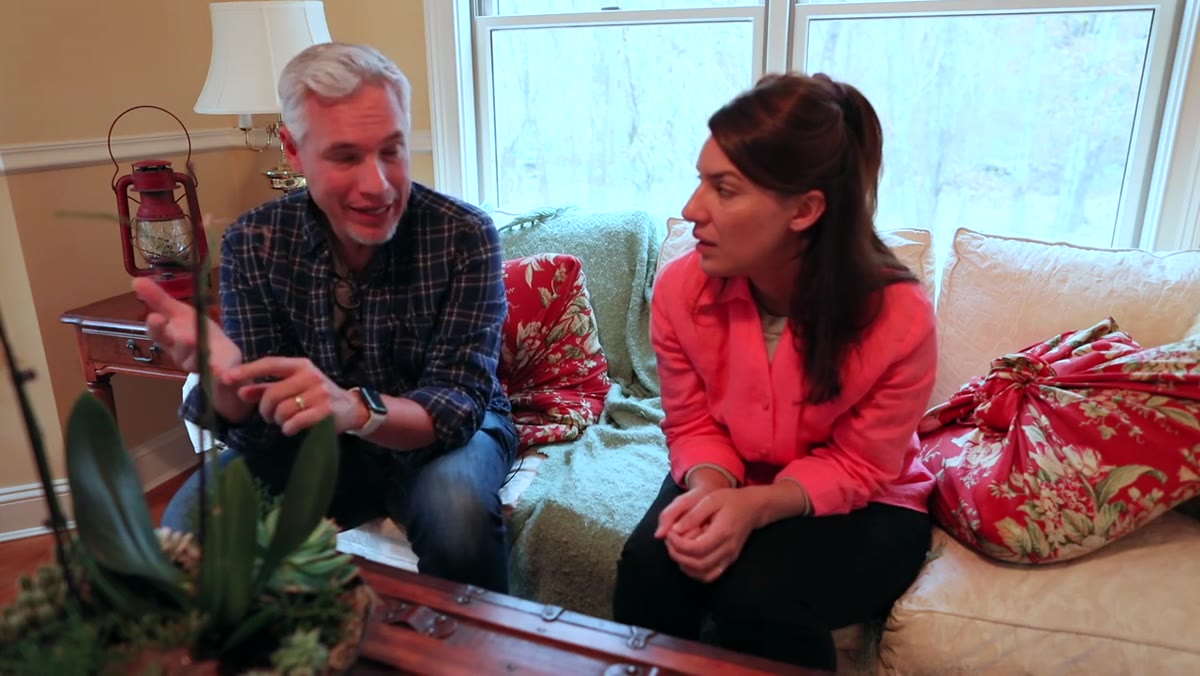 Therapist advising photographer on unpaid wedding invoice
A photographer in the sketch delivers a full wedding gallery after collecting a 50% deposit, then receives no final payment because the couple overspent on their honeymoon. The advice is clear: send a formal written notice, and if that doesn’t work, take it to small claims court. This isn’t dramatic. It’s the minimum you’re owed.
Therapist advising photographer on unpaid wedding invoice
A photographer in the sketch delivers a full wedding gallery after collecting a 50% deposit, then receives no final payment because the couple overspent on their honeymoon. The advice is clear: send a formal written notice, and if that doesn’t work, take it to small claims court. This isn’t dramatic. It’s the minimum you’re owed.
If you shoot weddings or any high-ticket sessions, your contract needs to specify that the remaining balance is due before image delivery, not after. I switched to this model years ago and the late-payment problem disappeared almost entirely. Delivering photos before collecting final payment puts all the leverage on the client’s side. Don’t do it.
Step 2: Stop Working for Meals, Six-Packs, or Exposure
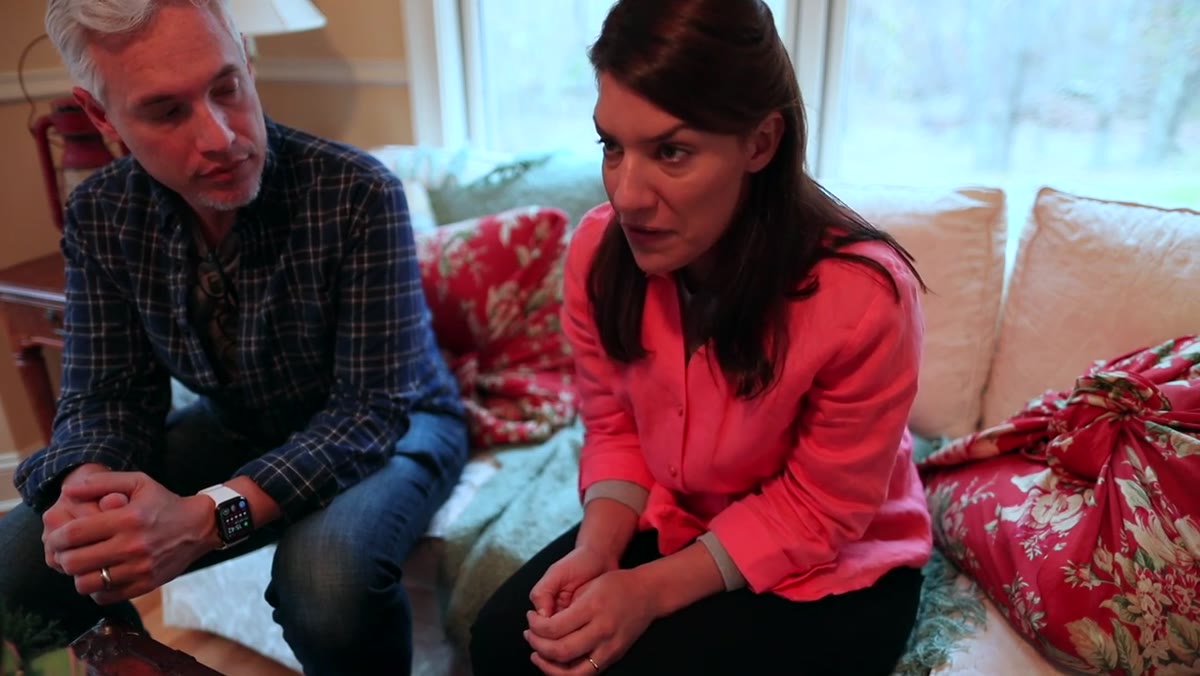 Susan describing shooting a friend’s wedding for $50
Two separate scenarios come up here: one photographer shoots a full wedding for $50 and accepts a meal as the balance, and another is offered a six-pack of beer to photograph a friend’s real estate listing. The therapist’s response is gentle but direct: this is not acceptable, and it’s within your right to set a price that reflects your actual time and skill.
Susan describing shooting a friend’s wedding for $50
Two separate scenarios come up here: one photographer shoots a full wedding for $50 and accepts a meal as the balance, and another is offered a six-pack of beer to photograph a friend’s real estate listing. The therapist’s response is gentle but direct: this is not acceptable, and it’s within your right to set a price that reflects your actual time and skill.
Friends often don’t know what you charge because they know you personally, not professionally. That’s not malicious, it’s just a gap in their understanding. Your job is to close that gap by communicating your rates clearly, even with people you care about. You can absolutely give a friend a discount. But working a full wedding for dinner, or a real estate shoot for a six-pack, trains the people around you to devalue what you do. Set a number you can live with and hold it.
Step 3: Don’t Bring Your Camera to Parties Unless You’re Being Paid
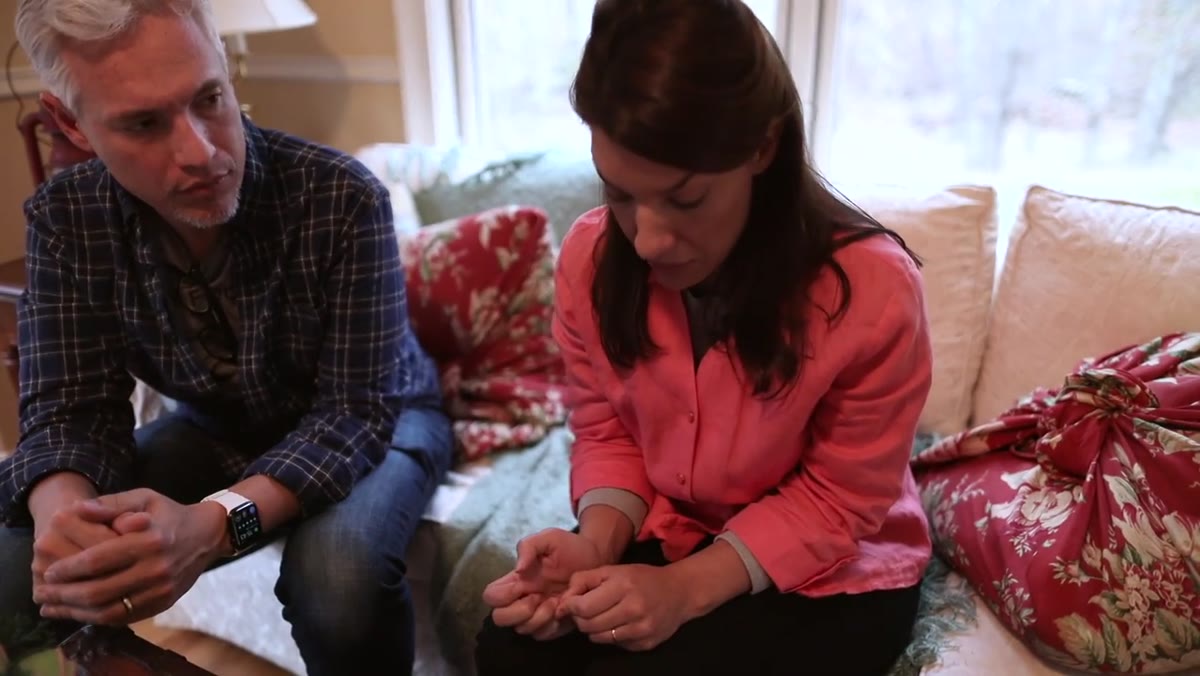 Susan describing working a birthday party and then being criticized
A photographer gets invited to a friend’s birthday party, brings her camera because it’s expected, works the entire event, and then gets criticized for unflattering photos. The therapist’s point is direct: if someone expects you to work at a social event, they are not treating you as a guest. They are treating you as unpaid staff.
Susan describing working a birthday party and then being criticized
A photographer gets invited to a friend’s birthday party, brings her camera because it’s expected, works the entire event, and then gets criticized for unflattering photos. The therapist’s point is direct: if someone expects you to work at a social event, they are not treating you as a guest. They are treating you as unpaid staff.
The fix is simple. If someone asks you to bring your camera to a social event, ask whether they want you there as a friend or as a photographer. If it’s the latter, send a quote. If they push back, let them know you’re happy to come as a guest without the camera. This conversation feels awkward once. Not having it costs you an entire evening of free labor plus the emotional hit of being criticized for work you weren’t even hired to do.
Step 4: Put Credit and Tagging in Writing Before the Shoot
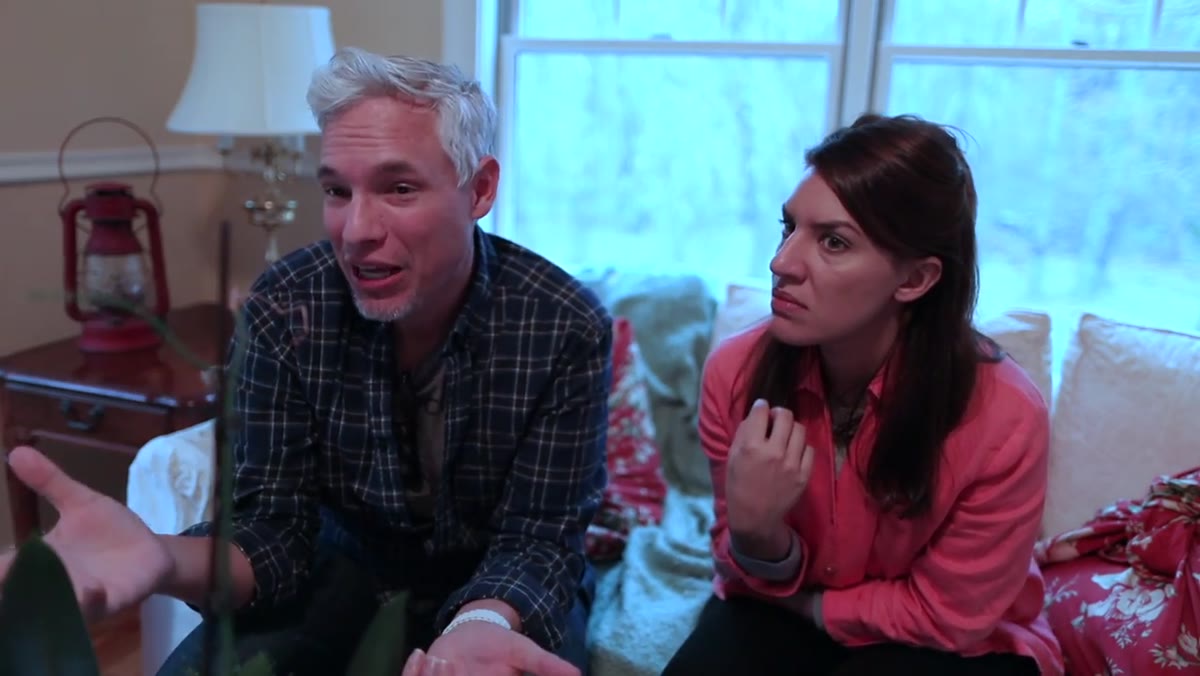 Doug describing a TFP shoot with an Instagram model who didn’t tag him
A photographer does a TFP (time-for-print) shoot with a model who has 100,000 Instagram followers. The photos perform well. The photographer gets no tag, no mention, no benefit. The advice: if social media tagging is part of your arrangement, say so explicitly before the shoot starts, and follow up when you deliver the files.
Doug describing a TFP shoot with an Instagram model who didn’t tag him
A photographer does a TFP (time-for-print) shoot with a model who has 100,000 Instagram followers. The photos perform well. The photographer gets no tag, no mention, no benefit. The advice: if social media tagging is part of your arrangement, say so explicitly before the shoot starts, and follow up when you deliver the files.
You don’t necessarily need a formal contract clause for this, but you should include it in your delivery email. Something like: “These images are ready for you to use. I’d really appreciate a tag when you post, it helps my business a lot.” Most people aren’t ignoring you on purpose, they just don’t think about it unless you remind them. Make it easy for them to do the right thing by asking clearly.
Step 5: Insure Your Gear. No Exceptions.
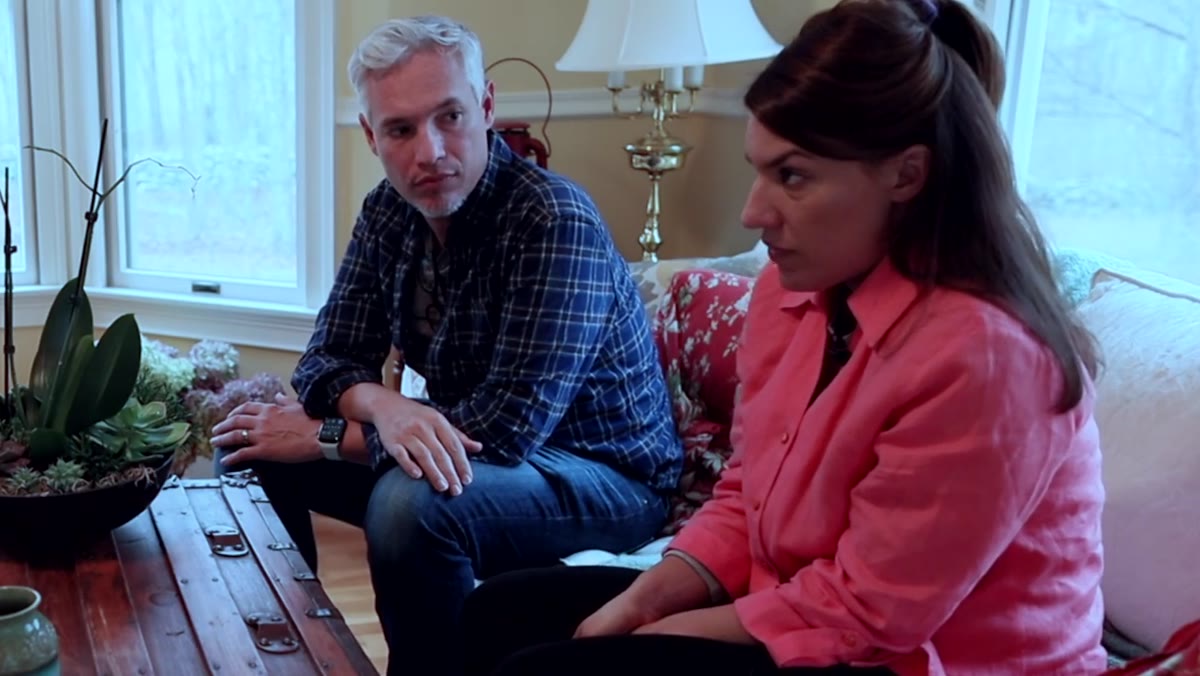 Therapist reacting to model stealing camera gear from changing room
A model asks for a private space to change, and steals the photographer’s camera gear while alone in the room. The photographer has no insurance. This is devastating and completely preventable on the insurance side. Gear theft is not rare, and it doesn’t only happen in sketchy situations.
Therapist reacting to model stealing camera gear from changing room
A model asks for a private space to change, and steals the photographer’s camera gear while alone in the room. The photographer has no insurance. This is devastating and completely preventable on the insurance side. Gear theft is not rare, and it doesn’t only happen in sketchy situations.
Camera gear insurance through a provider like Athos, PPA, or a homeowner’s policy rider typically runs $100 to $300 per year depending on your kit’s value. If your business depends on your equipment, that’s not optional spending. It’s overhead. I keep a running spreadsheet of every piece of gear I own with its current replacement value. If something disappears tomorrow, I know exactly what I’m filing a claim for.
Step 6: Protect Your Creative Credit When Someone Else Presses the Shutter
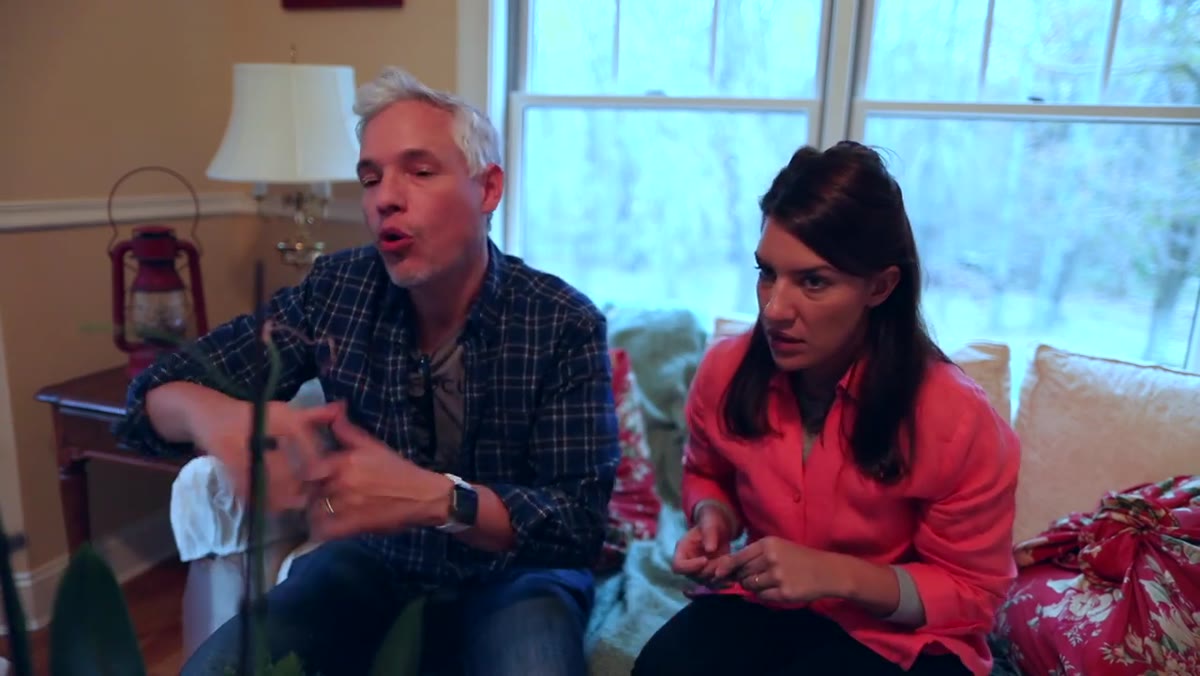 Discussing iPhone user photographing a staged set and getting more likes
Two scenarios here overlap. A photographer spends a week building a styled set, and someone walks in and posts an iPhone photo of it on Instagram, getting traction the photographer doesn’t. A separate photographer’s roommate takes a phone photo of the photographer’s still-life setup and gets more engagement. The point made is important: pressing the shutter is the smallest part of photography. The vision, the setup, the styling, the direction are all yours.
Discussing iPhone user photographing a staged set and getting more likes
Two scenarios here overlap. A photographer spends a week building a styled set, and someone walks in and posts an iPhone photo of it on Instagram, getting traction the photographer doesn’t. A separate photographer’s roommate takes a phone photo of the photographer’s still-life setup and gets more engagement. The point made is important: pressing the shutter is the smallest part of photography. The vision, the setup, the styling, the direction are all yours.
Practically speaking, if you’re working on a set you care about, watermark your files immediately. Post your versions first. For client work, include a clause in your contract that specifies how and where your images can be reshared, and that credit must be given when they are. Credit doesn’t pay rent, but it does build the kind of visibility that leads to clients who will.
What I’d Add From My Own Experience
The common thread running through every single one of these scenarios is the same thing: unclear expectations set before the work begins. I track every client touchpoint on a checklist before any session starts, including payment terms, delivery timeline, usage rights, and tagging agreements. It sounds like a lot, but once it becomes habit it takes about ten minutes per client. The conversations that checklist prevents would take hours.
The photographers in this tutorial aren’t bad at their jobs. They’re bad at protecting their work, and that’s a skill you can learn. Most of these problems don’t require confrontation. They require preparation.
The single most important thing you can take from this tutorial: your time and skill have a dollar value, and it is your responsibility to communicate that value clearly before you pick up your camera. No one else will do it for you.
Watch the full tutorial on YouTube and see all of these scenarios play out for yourself. The comedy makes it easier to watch. The advice makes it worth it.
Comments (1)
Quality content like this is rare. Keep it up.
Leave a Comment