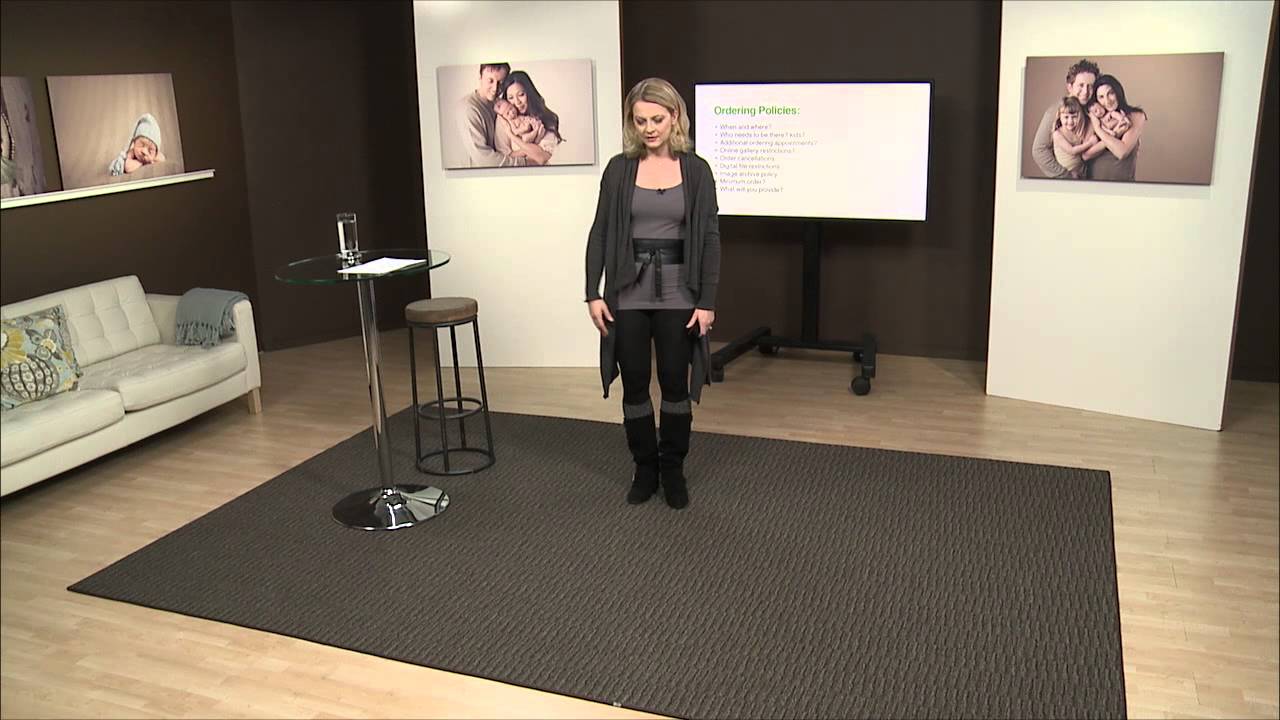
I watched my parents run a photography business for years without raising their prices. Not once. Clients loved them, the work was strong, and they stayed broke anyway. It took me a long time to understand that the problem wasn’t the market or the competition. It was that they never fully believed the work was worth more. That belief bled into every conversation, every quote, every time a client pushed back and they folded.
That pattern is exactly what Julia Kelleher addresses in this CreativeLive tutorial on photographer pricing. Watch the full tutorial on YouTube and you’ll hear her make the case that pricing problems are almost never about the numbers themselves. They’re about a deeper failure to treat photography like a real business operated by a professional who deserves to get paid. This is not motivational fluff. She’s specific, direct, and the framework she lays out is something you can act on before your next client inquiry.
Here’s how she breaks it down, and how I apply it in my own studio.
Step 1: Identify the Real Source of the Pricing Problem
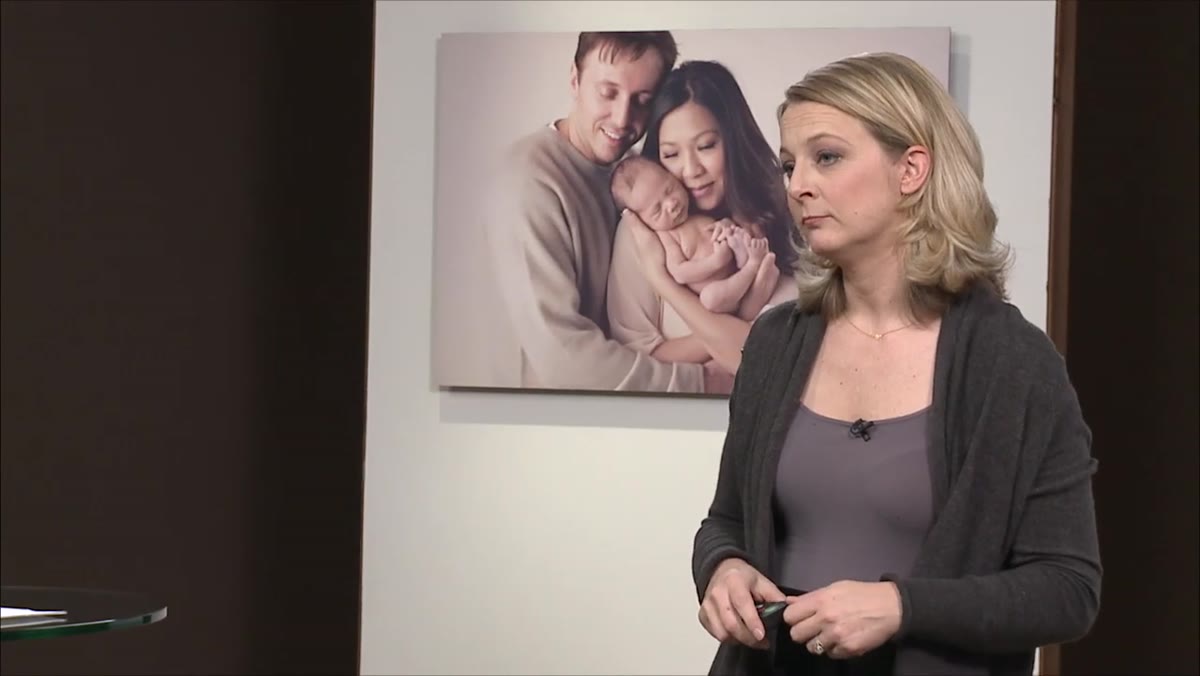 Julia explaining that pricing problems start with self-worth
Kelleher’s first move is to locate where undercharging actually begins, and she’s blunt about it: it starts with how you see yourself. Not your portfolio, not your gear, not your local market. Most photographers undercharge because they haven’t fully accepted that their time and effort carry monetary weight, the same way any skilled professional’s time does. If you’ve ever quoted a price and then immediately felt the urge to apologize for it or soften it with a discount, that’s the gap she’s pointing to.
Julia explaining that pricing problems start with self-worth
Kelleher’s first move is to locate where undercharging actually begins, and she’s blunt about it: it starts with how you see yourself. Not your portfolio, not your gear, not your local market. Most photographers undercharge because they haven’t fully accepted that their time and effort carry monetary weight, the same way any skilled professional’s time does. If you’ve ever quoted a price and then immediately felt the urge to apologize for it or soften it with a discount, that’s the gap she’s pointing to.
The exercise here is uncomfortable but necessary. Before you touch your pricing, ask yourself whether you genuinely believe your work justifies what you’re charging. If the answer is “kind of” or “I hope so,” you’ll negotiate against yourself every time. Clients sense hesitation. It costs you real money.
Step 2: Treat Your Business Like a Business, Not a Favor
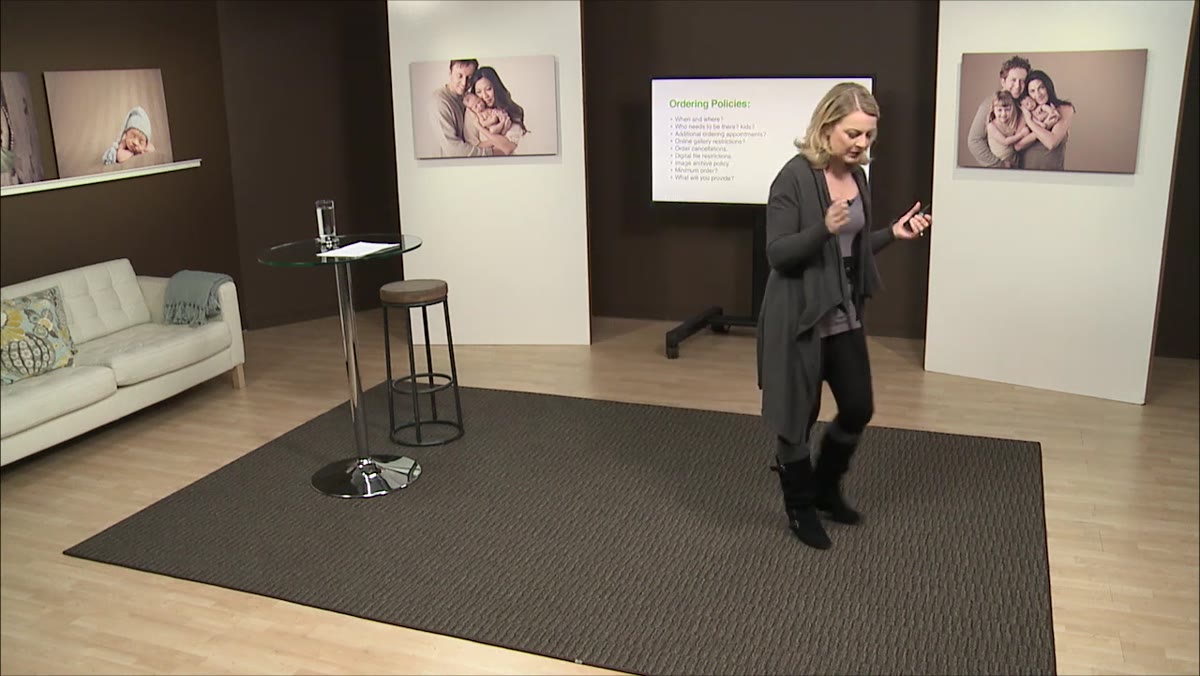 Julia comparing photography businesses to large corporations
Kelleher makes a comparison that stuck with me: large corporations do not offer deals because someone asks nicely. They price for the value they deliver, and they hold the line. Your studio, whether you’re shooting 10 sessions a year or 100, deserves the same posture. The size of your operation doesn’t change the legitimacy of your pricing.
Julia comparing photography businesses to large corporations
Kelleher makes a comparison that stuck with me: large corporations do not offer deals because someone asks nicely. They price for the value they deliver, and they hold the line. Your studio, whether you’re shooting 10 sessions a year or 100, deserves the same posture. The size of your operation doesn’t change the legitimacy of your pricing.
In practical terms, this means building your prices around your actual costs and desired income, not around what you think clients will accept or what other photographers in your Facebook group are charging. Run the numbers. Account for your time before the shoot, the shoot itself, culling, editing, delivery, client communication, and the business overhead that makes all of it possible. That total has a floor. Work from the floor up, not from fear down.
Step 3: Recognize the Value of Every Hour You Work
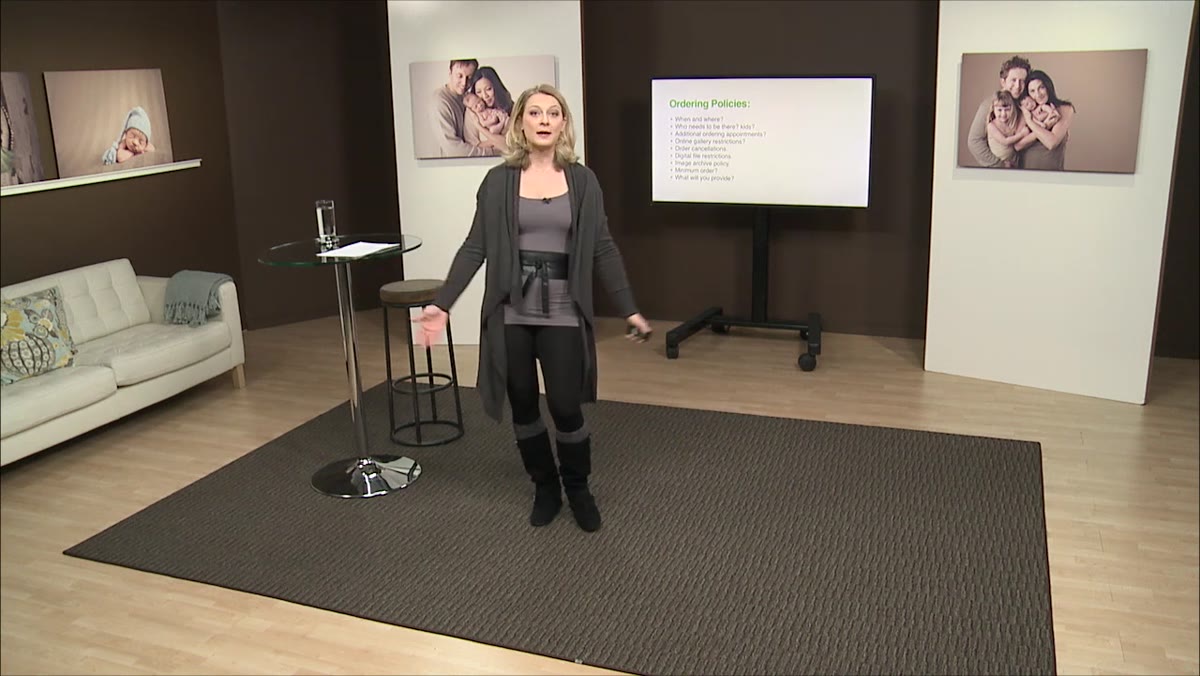 Julia describing her TV news salary and the value of professional time
Kelleher shares that she earned $17,000 a year working in TV news, which she notes with some humor was less than Taco Bell employees. The point isn’t to feel bad for her. The point is that even at that salary, she was being paid for her time and recognized it as fair exchange for her effort and expertise. Photographers often don’t extend themselves that same basic recognition.
Julia describing her TV news salary and the value of professional time
Kelleher shares that she earned $17,000 a year working in TV news, which she notes with some humor was less than Taco Bell employees. The point isn’t to feel bad for her. The point is that even at that salary, she was being paid for her time and recognized it as fair exchange for her effort and expertise. Photographers often don’t extend themselves that same basic recognition.
Make a list of every task you perform for a single client from the first email to the final delivery. Time yourself for one full project cycle if you haven’t. Most photographers who do this for the first time discover they’re earning somewhere between $8 and $15 an hour once everything is accounted for. That number is fixable, but only once you see it clearly.
Step 4: Stop Apologizing for Your Prices
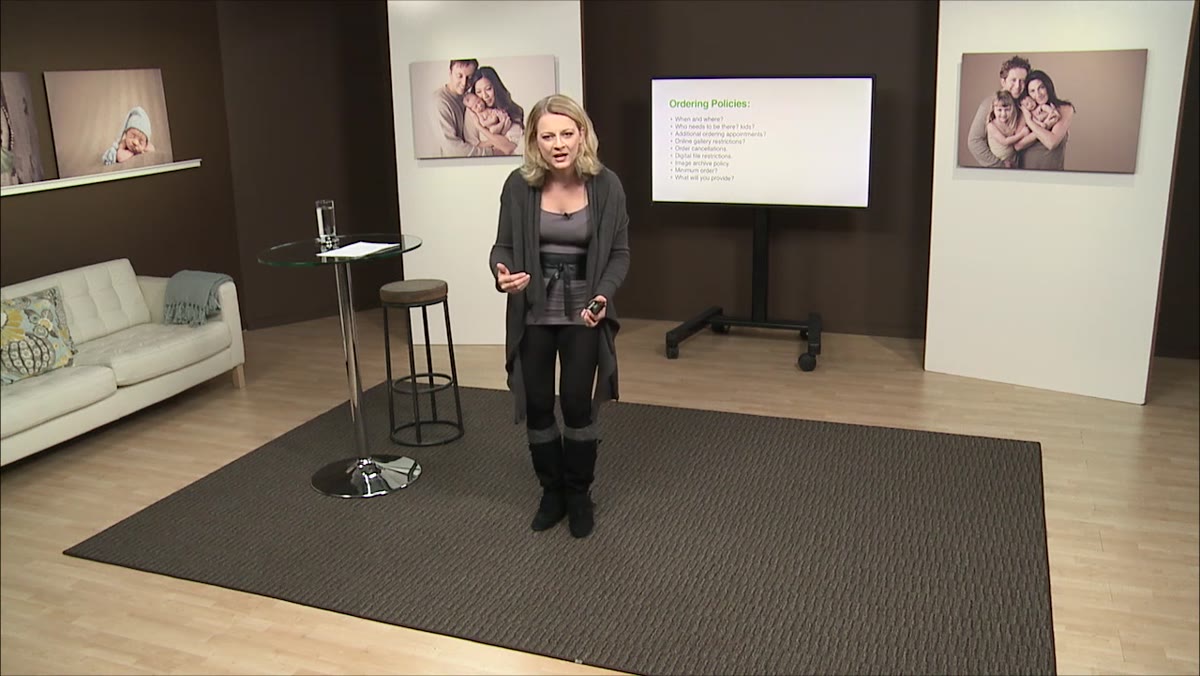 Julia describing photographers who hem and haw over their own rates
This is where the behavior pattern shows up in real client conversations. Kelleher describes the habit many photographers have of hedging when they deliver a price: the qualifications, the “but I can work with you,” the preemptive discount before the client has even flinched. She’s direct that this behavior undermines trust rather than building it. Clients do not respect a professional who seems unsure of their own value.
Julia describing photographers who hem and haw over their own rates
This is where the behavior pattern shows up in real client conversations. Kelleher describes the habit many photographers have of hedging when they deliver a price: the qualifications, the “but I can work with you,” the preemptive discount before the client has even flinched. She’s direct that this behavior undermines trust rather than building it. Clients do not respect a professional who seems unsure of their own value.
The script change she recommends is simple. State your price clearly, then stop talking. Let there be silence. If a client has questions, answer them from a place of confidence, not anxiety. You are not asking for permission to charge what your work is worth. You are informing a potential client what it costs to work with you. That framing change is subtle but it completely shifts who has control in the conversation.
Step 5: Let Clients Rise to Meet Your Value
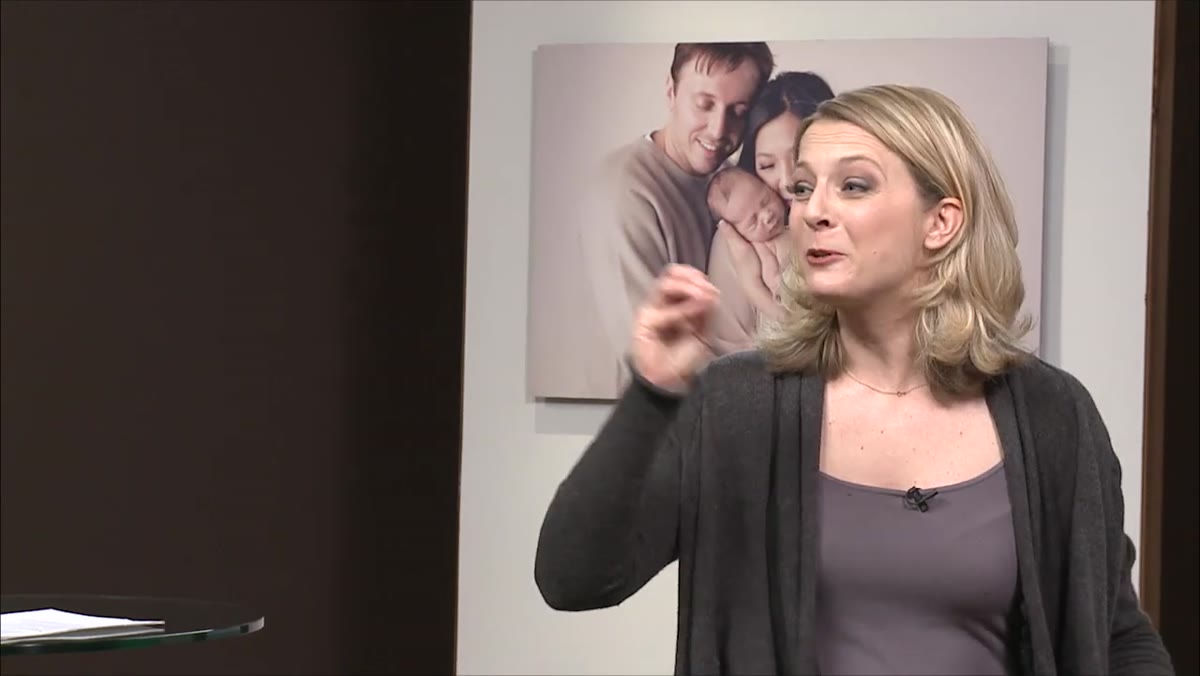 Julia on clients respecting photographers more when they pay full price
Kelleher closes with a point that surprised me when I first heard it but has proven true in my own experience. Clients actually respect you more when they pay full price. When someone puts real money on the table for your work, they are invested. They show up prepared, they value your time, they refer their friends, and they come back. Discount clients often behave like they’re doing you a favor, because the pricing told them that narrative.
Julia on clients respecting photographers more when they pay full price
Kelleher closes with a point that surprised me when I first heard it but has proven true in my own experience. Clients actually respect you more when they pay full price. When someone puts real money on the table for your work, they are invested. They show up prepared, they value your time, they refer their friends, and they come back. Discount clients often behave like they’re doing you a favor, because the pricing told them that narrative.
When I finally held my prices without apologizing, I expected to lose clients. I did lose a few. But the ones who stayed and the new ones who booked were easier to work with, more respectful of my process, and more likely to purchase at the end of a session. The revenue went up and the stress went down at the same time.
What I’d Add From My Own Studio
The piece Kelleher doesn’t go deep on in this clip, though she likely covers it elsewhere, is the role that metrics play in building pricing confidence. I track every session in my studio: time spent, products ordered, revenue generated, referral source. When I can look at data and see that my average portrait client brings in X dollars and refers 1.3 clients over a two-year period, it’s much harder to fold on price. The numbers back me up. If you’re not tracking, your gut is doing the work alone, and your gut has been wrong before. Build a simple spreadsheet. Update it after every session. Let the data become the confidence you’re still building in yourself.
The single most important thing Julia Kelleher says in this tutorial is that your time and effort have monetary value whether you acknowledge that or not. The only question is whether your pricing reflects it. If it doesn’t, nothing else in your marketing strategy will save you.
Watch the full tutorial on YouTube and pay attention to the part where she talks about what happens when clients actually have to pay for something. It reframes the whole conversation.
Comments (1)
The tip about why photographers undercharge was the missing piece for me. Thank you.
Leave a Comment