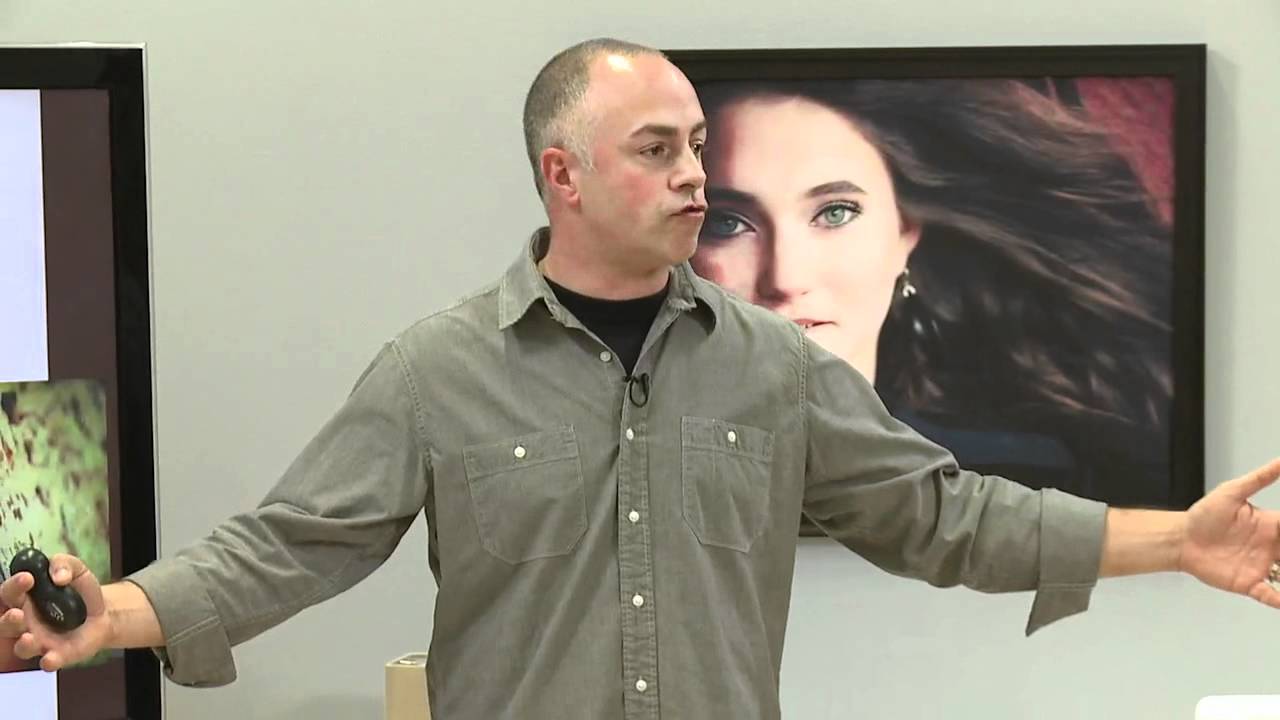
I grew up watching my parents run a portrait studio on fumes and good intentions. They were talented photographers who consistently undercharged, never systemized their marketing, and treated every inquiry like a favor rather than a business transaction. By the time I took over managing my own studio, I was determined to do things differently. But “differently” is vague until you have a concrete model to study.
That’s why Sal Cincotta’s CreativeLive tutorial on the business of senior photography stopped me mid-scroll. Watch the full tutorial on YouTube. Sal runs a high-volume senior photography operation in the midwest and has built it into a genuinely profitable business, not just a creative outlet with occasional paychecks. What he shares in this session isn’t theory. It’s the operational logic behind a studio that consistently generates over $2,000 per senior client in a saturated local market.
What I appreciate most about his approach is that he treats senior photography as its own distinct market with its own rules, not just “portrait photography for younger people.” If you’ve been thinking about adding seniors to your client mix, or if you already shoot them but feel like the revenue never matches the effort, this breakdown will give you a framework to rethink the whole thing.
Step 1: Reframe What “Senior Photography” Actually Means
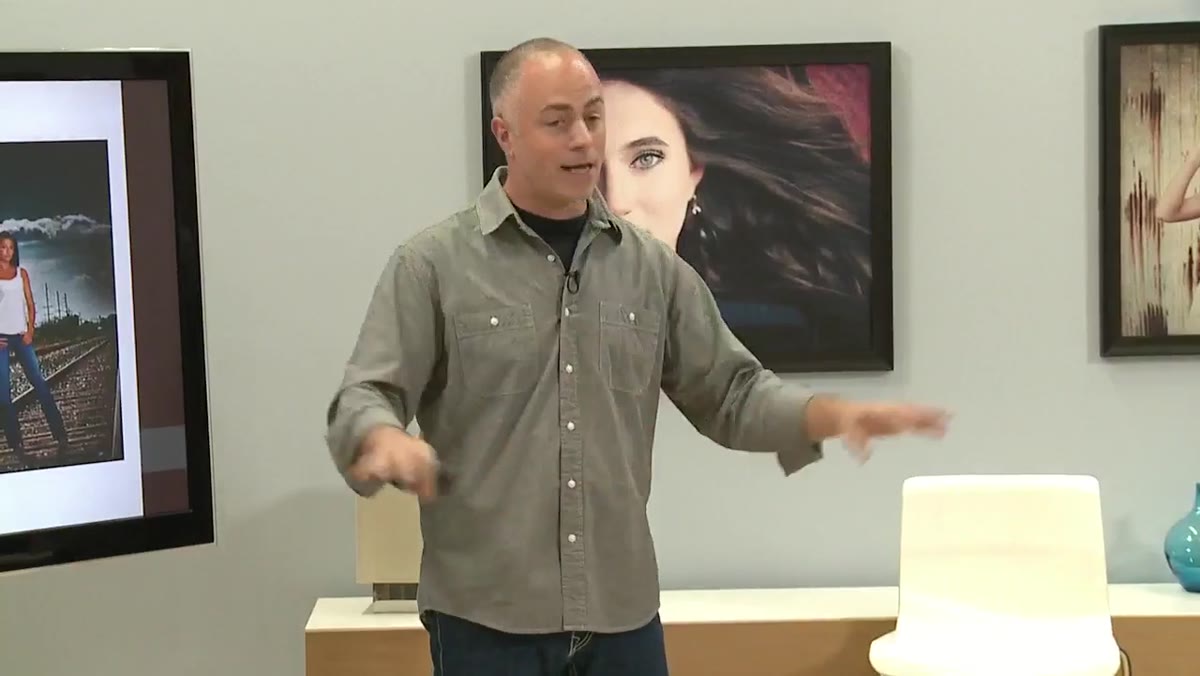 Sal describing running the session like a fashion shoot
Before you book a single client, you need to mentally reposition what you’re selling. Sal’s turning point came when his first senior inquiry made him panic because he pictured the old-school yearbook style: fake ivy, styrofoam columns, a rose. His solution was to ignore that model entirely and run the session like a fashion shoot. That shift in framing changed everything, not just aesthetically, but in terms of pricing, client expectations, and how the work felt to produce.
Sal describing running the session like a fashion shoot
Before you book a single client, you need to mentally reposition what you’re selling. Sal’s turning point came when his first senior inquiry made him panic because he pictured the old-school yearbook style: fake ivy, styrofoam columns, a rose. His solution was to ignore that model entirely and run the session like a fashion shoot. That shift in framing changed everything, not just aesthetically, but in terms of pricing, client expectations, and how the work felt to produce.
For your business, this means deciding upfront what kind of senior photographer you are. If you position yourself as a budget option, you’ll attract budget clients. If you position yourself as a fashion-forward experience photographer, you attract seniors who are excited to invest. Your brand language, your sample images, and your pricing all need to reflect one consistent identity from day one.
Step 2: Define Your Energy and Client Relationship Standard
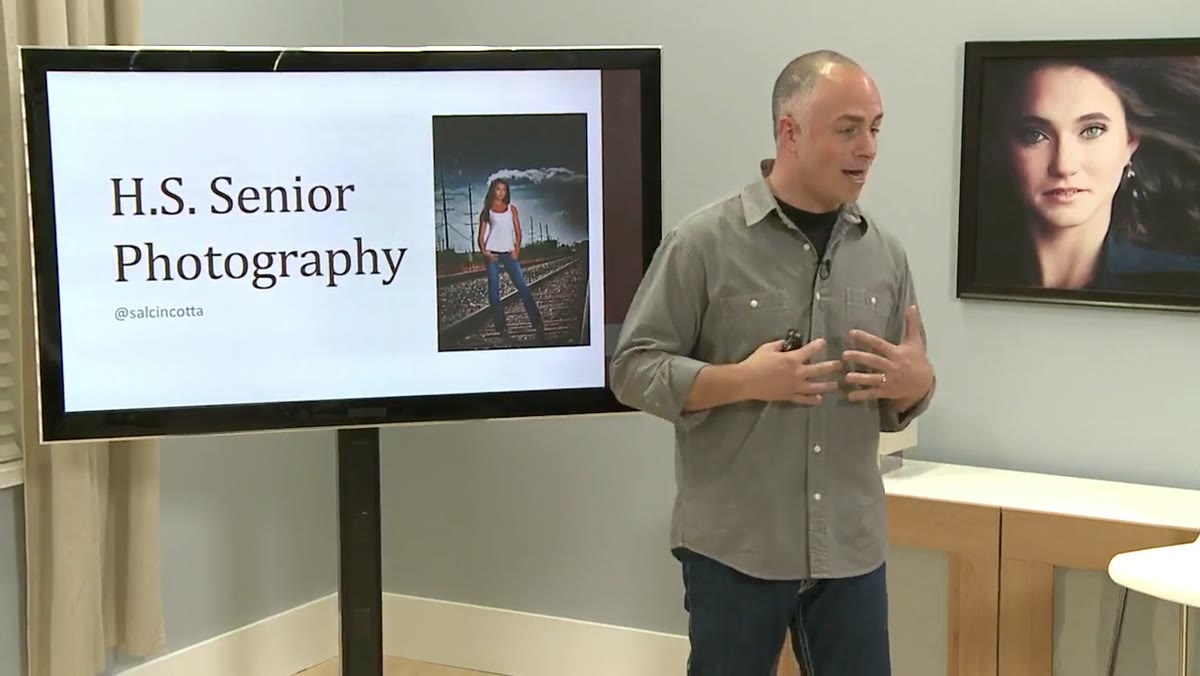 Sal talking about high energy and keeping seniors engaged
Seniors are not the same as adult portrait clients. They have short attention spans, high social awareness, and a finely tuned radar for anything that feels fake or forced. Sal is direct about this: you have to be high energy, genuinely engaged, and present on set. Not performing youth, but not being stiff or detached either.
Sal talking about high energy and keeping seniors engaged
Seniors are not the same as adult portrait clients. They have short attention spans, high social awareness, and a finely tuned radar for anything that feels fake or forced. Sal is direct about this: you have to be high energy, genuinely engaged, and present on set. Not performing youth, but not being stiff or detached either.
Think about how you show up during a shoot. Are you giving clear, enthusiastic direction or are you quietly adjusting settings while your subject stands there losing confidence? Seniors respond to momentum. If you let the energy drop, they feel it immediately and it shows in the images. Build a shoot-day checklist that includes energy checkpoints, not just technical ones.
Step 3: Know Your Market Position Before You Set Prices
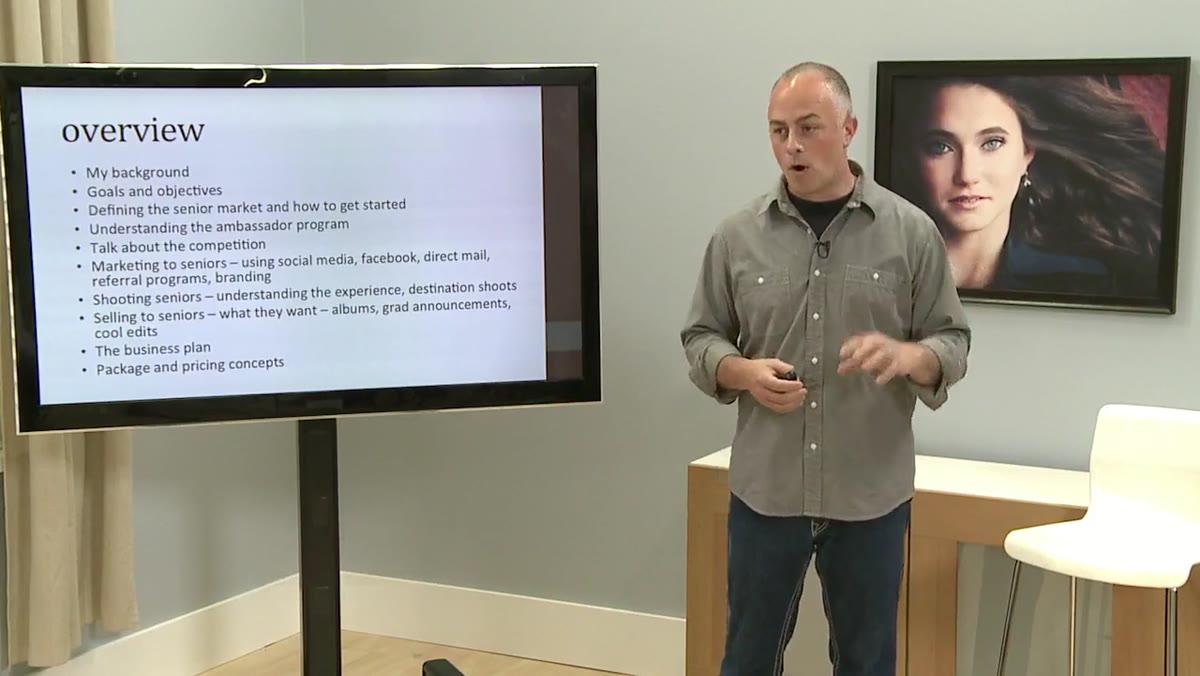 Sal referencing $2,000 average spend per senior in his market
Sal mentions that even in a market with competitors charging $99 for a session plus a DVD of fully edited images, his studio averages over $2,000 per senior. That gap isn’t luck. It’s the result of clear positioning and a refusal to compete on price. His point is blunt: if you’re spending two to three hours with a client, fully editing their images, and handing over a disc for $99, you might as well work retail. The hourly math simply doesn’t work.
Sal referencing $2,000 average spend per senior in his market
Sal mentions that even in a market with competitors charging $99 for a session plus a DVD of fully edited images, his studio averages over $2,000 per senior. That gap isn’t luck. It’s the result of clear positioning and a refusal to compete on price. His point is blunt: if you’re spending two to three hours with a client, fully editing their images, and handing over a disc for $99, you might as well work retail. The hourly math simply doesn’t work.
Pull up your own numbers. Calculate what you actually earn per hour of work on your current senior bookings, including prep, shooting, editing, and delivery. If that number is uncomfortable, that’s important information. Your pricing needs to reflect your real cost of doing business plus a sustainable profit margin, not what the cheapest studio in town is charging.
Step 4: Build an Ambassador Program to Create Peer-to-Peer Marketing
 Sal introducing the ambassador program concept
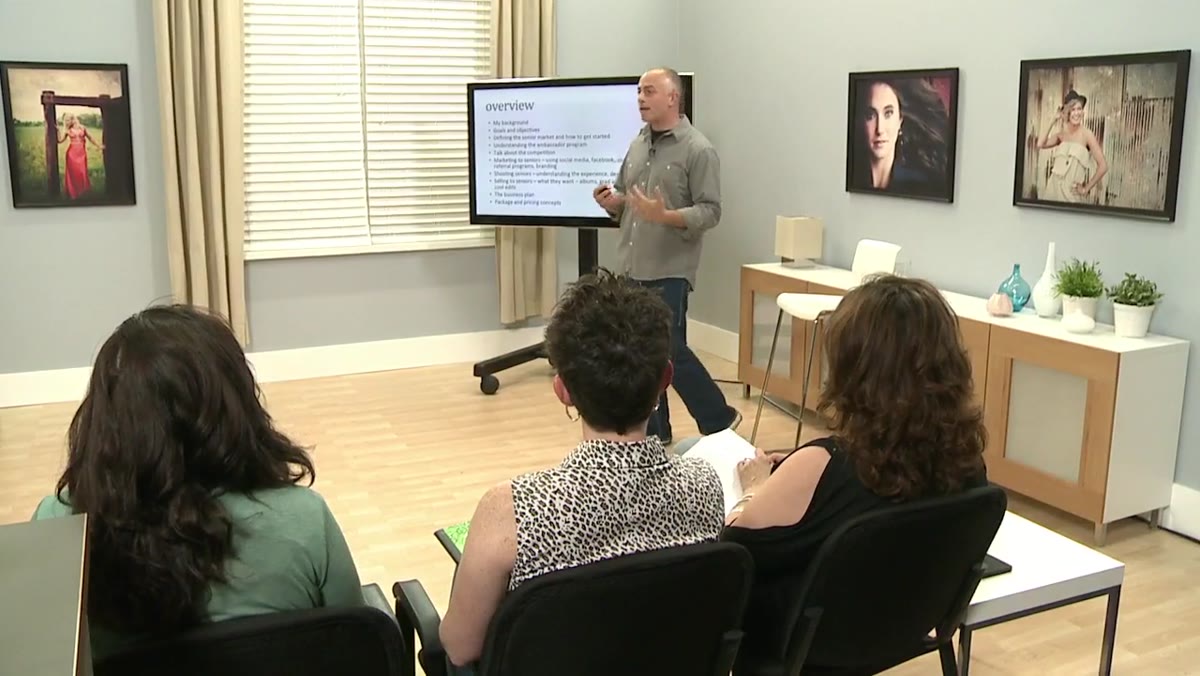
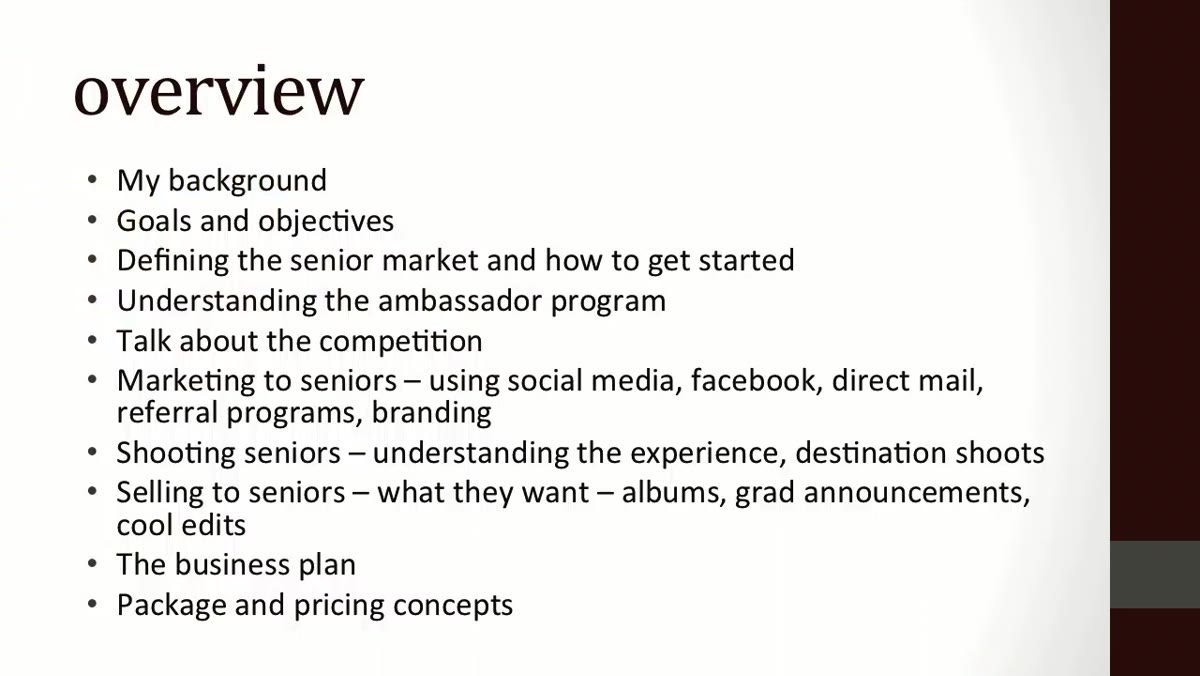
One of the most operationally smart ideas Sal covers is the ambassador program. The concept is straightforward: you recruit a small group of high school seniors to represent your brand within their schools. They become a peer-to-peer sales force, which matters enormously because teenagers trust their friends’ recommendations far more than any ad you could run.
Sal introducing the ambassador program concept
One of the most operationally smart ideas Sal covers is the ambassador program. The concept is straightforward: you recruit a small group of high school seniors to represent your brand within their schools. They become a peer-to-peer sales force, which matters enormously because teenagers trust their friends’ recommendations far more than any ad you could run.
To implement this, start by identifying two to four seniors who are socially connected, visually present on social media, and genuinely excited about their photos. Offer them something meaningful in return, whether that’s a discounted session, free prints, or a referral credit. Give them branded content to share and make it easy for them to talk about you. The goal is word-of-mouth at scale, generated by people whose opinions actually carry weight with your target clients.
Step 5: Understand the Senior Demographic’s Media Environment
 Sal describing seniors being inundated with magazine and TV ads
Sal points out that high school seniors are one of the most marketed-to demographics in existence. They’ve grown up surrounded by polished advertising, influencer content, and brand messaging designed specifically for them. This means generic photography marketing, a basic Facebook post or a discount flyer, will not cut through.
Sal describing seniors being inundated with magazine and TV ads
Sal points out that high school seniors are one of the most marketed-to demographics in existence. They’ve grown up surrounded by polished advertising, influencer content, and brand messaging designed specifically for them. This means generic photography marketing, a basic Facebook post or a discount flyer, will not cut through.
Your marketing needs to look like something they’d actually stop scrolling for. That means investing in your sample imagery, keeping your social content visually consistent, and meeting them on the platforms they actually use. Instagram and TikTok are not optional if seniors are your market. Study what creators in your niche are doing and develop a visual identity that can hold its own in that feed.
What I’d Add From My Own Experience
Sal’s framework is solid, but there’s one layer I’d push you to add immediately: track your numbers by session type from the very beginning. I spent years lumping all my portrait sessions together in my revenue reports, which meant I had no idea which client category was actually driving my income. When my husband (an accountant with zero patience for fuzzy financials) helped me break it down by session type, I discovered that my senior clients were outperforming every other category by a significant margin, and I’d been casually underinvesting in that part of my business.
Build a simple spreadsheet that tracks average sale, session length, and referral source for every senior booking. After six months, the data will tell you exactly where to put your marketing dollars and how to refine your pricing structure. Gut instinct is useful, but numbers make better decisions.
The single most important idea from this tutorial is that senior photography is a premium market and should be priced and positioned like one. Competing on price in this niche is a losing strategy. Competing on experience, brand, and peer influence is how you build something that compounds year over year.
Watch the full tutorial on YouTube and take notes specifically on how Sal talks about the ambassador program structure. That alone is worth the watch time.
Comments
Leave a Comment